Brands
Tata Consumer Products to acquire Organic India

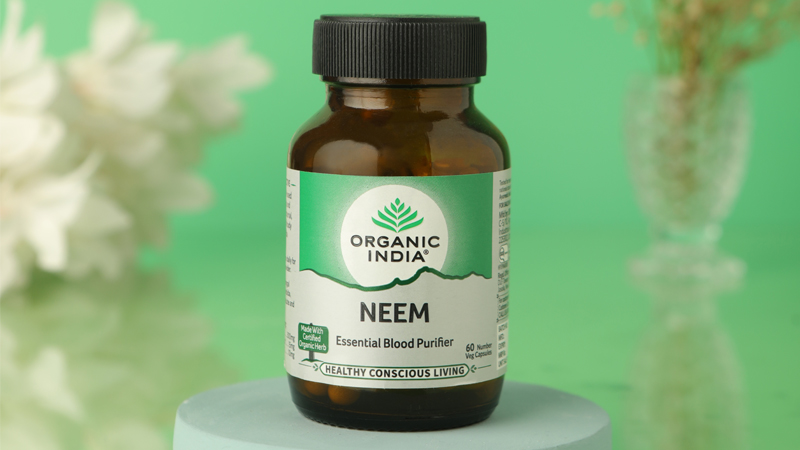
Mumbai: Tata Consumer Products has announced that it has signed definitive agreements to acquire up to 100 per cent of the issued equity share capital of Organic India, one of the strongest ‘better for you’ organic brands spanning food & beverages and herbal & traditional supplements. This move is consistent with Tata Consumer’s strategic intent to expand its product portfolio and its target addressable market in fast-growing/high-margin categories. This acquisition will create a Health & Wellness platform for Tata Consumer Products.
Organic India is a 25-plus years established brand with a geographical footprint covering over 48 countries, substantially from India and the USA. Its product portfolio spans premium and high-growth categories focused on sustainable living – herbal supplements, tea & infusions and organic packaged foods. Organic India has strong, long-standing relationships with 12,000 plus farmers and unparalleled end-to-end organic certifications across the supply chain. It pioneered commercial cultivation of tulsi and introduced high-value medicinal crops for farming in India. It has a portfolio of over 100 products in the Health & Wellness space.
The total addressable market for the categories that Organic India is present in is Rs 7,000 crores in India and Rs 75,000 crores in international markets where Tata Consumer has a strong presence. This acquisition will provide significant synergy benefits in distribution, logistics and overheads apart from driving portfolio premiumisation and unlocking additional channels and new markets. Structural growth drivers for this portfolio include increasing demand for health & wellness products, growing consumer awareness around wellness and changing consumer preferences.
Tata Consumer Products MD & CEO Sunil D’Souza said, “We are excited about bringing Organic India into Tata Consumer Products. This transaction aligns well with Tata Consumer’s overall strategic objectives and presents exciting market opportunities in the rapidly growing Health & Wellness segment. In addition, Organic India has built very strong relationships with farmers to create a robust organic supply chain with a trusted brand and a loyal consumer base. Organic India’s differentiated products and robust supply chain together with Tata Consumer’s distribution strength across channels in India and specific geographies globally makes us confident of accelerating momentum in the business while improving our margin profile.”
Fabindia MD William Bissell said, “Tata is India’s most venerated and dynamic brand. For over a hundred and fifty years, it has stood as the visionary exemplar of Indian values: fairness, preservation of civilizational traditions, harmony with the natural world, and social uplift for all. That is why we are immensely excited that they will be guiding Organic India through its next chapter and stewarding the vital mission for which Organic India stands.
We at Fabindia echo Jamsetji Tata’s vision that ‘The community is not just another stakeholder in business but is in fact the very purpose of its existence.’ Organic India works with a community of tens of thousands of farmers who work only with socially and ecologically sustainable methods. We are confident that Organic India will continue to thrive with the Tatas’ leadership.”
Kotak Investment Banking, Trilegal and Sidley Austin have been TCPL’s exclusive financial and legal advisors for this transaction respectively.