MAM
AdAsia to focus on ‘Uncertainty: The New Certainty’

NEW DELHI: Around 1200 delegates are expected to converge in the Indian capital to hear 50 of the world’s top experts in the world of marketing, media and advertising at the 27th edition of AdAsia 2011 being held in India after a gap of eight years.
Asia’s biggest Marketing, Media and Advertising Congress, AdAsia will be held from 31 October to 3 November on the theme of ‘Uncertainty: the new Certainty’ and will have around 18 sessions on various subjects apart from the grand opening and closing ceremonies. The speakers will include around 45 from overseas.
Information and Broadcasting Minister Ambika Soni will inaugurate the meet and Delhi Chief Minister Sheila Dikshit is expected to speak.
The last Congress hosted by India was in 2003 in the pink city of Jaipur and was considered a landmark event. AdAsia 2011 is being organised under the aegis of the Asian Federation of Advertising Associations (AFAA).
The theme “Uncertainty: The New Certainty” underlines the dynamic world that is currently at an inflection point witnessing a realignment of global economic leadership. Post the global meltdown, Asia leads the world on the path of recovery, thus attracting attention from the world over.
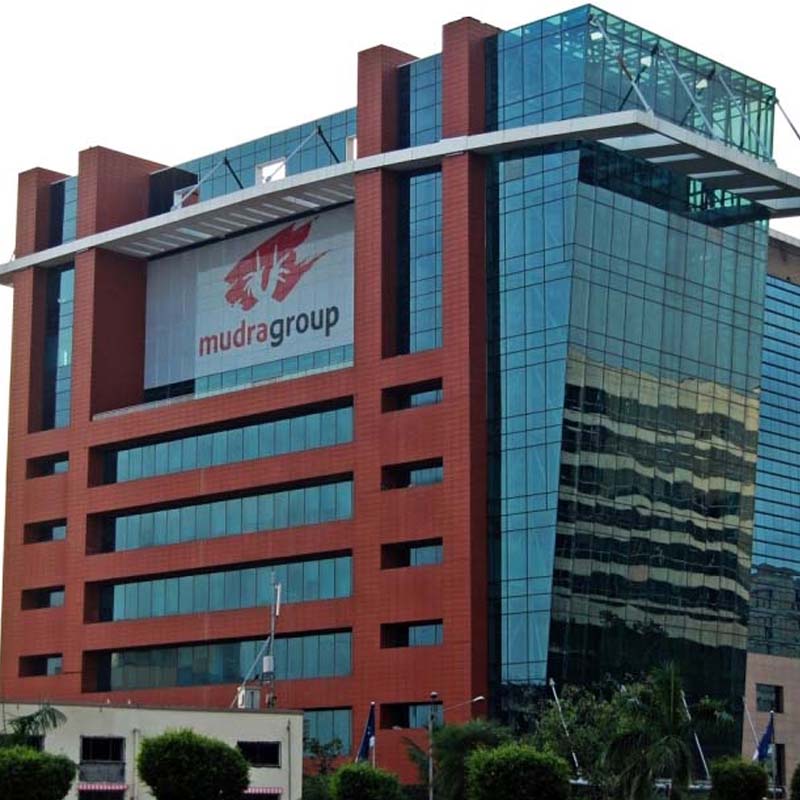
There is a new paradigm as far as Asia is concerned, and the one thing that is certain is uncertainty, according to Madhukar Kamath, Group CEO & MD, Mudra Group and Chairman, AdAsia 2011.
Brands are on an experimental spree through multi-layered communication channels right from Twitter, Facebook to mobiles and micro-blogging as the new evolving mediums. Mastering this ever-evolving operating environment and its impact on business is gaining critical significance to long-term sustainability. AdAsia 2011 will not only chronicle the changes but also provide a glimpse of impending opportunities and challenges that lie ahead in this dynamic field of advertising and marketing.
The sessions will be conducted by global stalwarts of the Corporate, Marketing, Advertising Media & Communications community that will explore the business ecosystem and understand the nature of disruption. Time tested tools which have never failed the industry along with new tools, methods, applications and ever booming digital medium will be discussed in detail.
“With unprecedented tectonic changes impacting the way one does business, AdAsia 2011 is a platform which not only chronicles the changes, but also provides a glimpse of what opportunities and challenges await us. This is especially relevant as 2011 sees the world – after having weathered the financial tsunami – emerging from the effects of the global meltdown. Moreover, with Asia broadly, and India specifically, leading this global recovery, the centre of gravity is changing. If, in the 20th century, the world looked at the West for innovation and progress, in the 21st century, everyone’s attention is on Asia,” Kamath said at a press meet here.
Indian Newspaper Society Deputy President Ashish Bagga stressed that this was a knowledge-sharing platform and not a business meet, though he admitted some networking may lead to business later.
Some of the subjects being taken up are: Decoding the New Age Consumer, Future of Management, From Chat rooms to Twitter, Media Fragmentation – How to Navigate through traffic?, Disruptive Branding / Away from Herd Marketing, Art of Storytelling in Multi-screen environment, Building Brands in a Trust Deficit World, Global Ethos: Managing Unpredictability across circumstances of Life & Business, and The Pursuit of Big Ideas in the Age of Now.
Some of the speakers are: Indra Nooyi – Chairman & Chief Executive Officer, PepsiCo; A. Salman Amin – Executive Vice President & Chief Marketing Officer, PepsiCo; Chris Thomas – Chairman and CEO of BBDO in Asia, Middle East and Africa & Chairman of Proximity Worldwide; Anna Bernasek, Writer and Journalist; Nitin Paranjpe, CEO & MD, Hindustan Unilever Limited & EVP South Asia, Unilever; Harish Manwani, COO, Unilever; Arvind Rajan, Managing Director and Vice President of Asia Pacific and Japan (APJ) at LinkedIn; Ronda Carnegie, Head of Global Partnerships at TED; Kate Day, Communities Editor, Daily Telegraph Online; Ram Charan – Business Consultant, Speaker and Author; Akira Kagami – Executive Advisor & Global Executive Creative Advisor, Dentsu Inc.; Thirasak Tanapatanakul – Worldwide Chairman, Creative Juice; Duncan Goose – Founder & Managing Director, Global Ethics Limited; Joseph V. Tripodi – Executive Vice President and Chief Marketing & Commercial Officer, The Coca-Cola Company; Kitty Lun – Chairman & CEO, Lowe China; Koichi Yamamoto – General Manager, Global Solutions Center, Dentsu Inc.; Michael I. Roth – Chairman & Chief Executive Officer, Interpublic; Pankaj Ghemawat – Global Strategist, Professor, Author and Speaker; Irfan Mustafa – Chief Leadership Development Officer, Yum! Brands Inc. & Managing Director, Middle East, North Africa, Pakistan and Turkey, Yum! Restaurants International; and Piyush Pandey – Executive Chairman and Creative Director, South Asia, Ogilvy & Mather India.
Taiwan and Thailand are to pitch to hold the AdAsia 2015.