Hindi
Prasanth Varma’s ‘Hanu Man’: Five blockbuster facts that seal its success

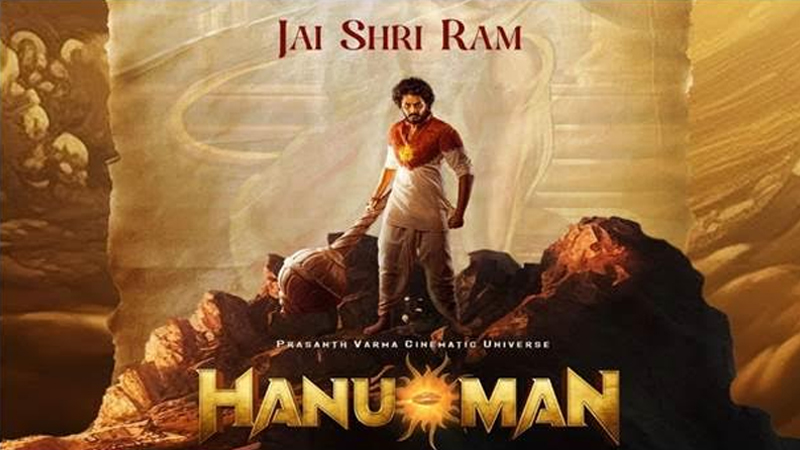
Mumbai: Superhero movies have become a staple in the cinematic world, but Hanu Man brings a unique flavour to the table. Directed by Prasanth Varma, this 2024 Telugu-language superhero film, produced at a budget of 2-3 Cr has already grossed 80 Cr at the box office in India and 100 Cr worldwide, with a handsome contribution from Hindi depicting its universal appeal, and promises more than just action-packed sequences. If you’re still on the fence about watching it, here are five compelling reasons that might just convince you to grab your popcorn and immerse yourself in the world of Hanu Man at the cinemas:
A Fusion of Tradition and Modernity
Hanu Man seamlessly blends the age-old tradition of devotional storytelling with a contemporary superhero narrative. Set in the fictional village of Anjanadri, the film introduces us to Hanumanthu, played convincingly by Teja Sajja, who undergoes a transformative journey fueled by ancient powers. The movie’s ability to intertwine tradition with modern superhero elements creates an intriguing narrative that stands out in the crowded genre.
Teja Sajja’s Versatile Performance
Teja Sajja’s portrayal of the titular character is a standout feature of Hanu Man. His versatile acting skills allow him to effortlessly switch between the carefree demeanour of a young man to the gravitas required for emotionally charged scenes. Sajja’s convincing performance as the superhero, coupled with meticulous styling, adds depth and relatability to the character, making the film a must-watch for his fans and superhero enthusiasts alike.
Engaging Supporting Cast
While Teja Sajja takes the spotlight, the supporting cast, including Amritha Aiyer, Varalaxmi Sarathkumar, and Vinay Rai, play pivotal roles in enhancing the overall cinematic experience. Aiyer’s on-screen presence adds beauty and depth, while Sarathkumar’s performance as the hero’s sister is nothing short of fantastic. Vinay Rai, as the villain, brings intensity to the plot, creating a well-rounded ensemble that keeps the audience hooked from start to finish.
Directorial Brilliance of Prasanth Varma
Prasanth Varma’s directorial vision injects fresh energy into the superhero genre. Despite the familiarity of the theme, Varma keeps the audience engaged with strategic high moments and a compelling narrative. The film’s climax, especially the last twenty minutes, showcases Varma’s storytelling prowess, adding a spiritual dimension to the superhero tale. His ability to balance tradition and modernity contributes significantly to the film’s unique appeal.
Impressive Production Values
Hanu Man benefits from high production values, courtesy of Primeshow Entertainment. The art department’s meticulous work and the VFX team’s commendable efforts contribute to the grand visuals on a limited budget. Dasaradhi Sivendra’s camera work deserves applause, delivering top-notch frames that enhance the film’s visual grandeur. The musical composition, featuring songs by Gowra Hari, Anudeep Dev, and Krishna Saurabh, seamlessly integrates with the narrative, enhancing key scenes and contributing to the film’s emotional resonance.
If you’re a fan of superhero films that celebrate Indian culture and draw inspiration from our rich mythology, be sure to catch ‘Hanu Man’ currently running successfully at your nearest PVR INOX cinemas