MAM
Ephemeral content and FOMO marketing: Engaging audiences in a fast-paced digital world


Mumbai: Staying ahead in the ever-evolving landscape of digital marketing, requires constant adaptation to emerging trends. Catching and holding the attention of your audience can be a challenge. A trend that has gained significant traction in recent years is the use of ephemeral content and fear of missing out (FOMO) marketing strategies. In a world where information is fleeting and attention spans are short, businesses are embracing these tools to captivate audiences and foster a sense of urgency. Ephemeral content, characterized by its short-lived nature, offers marketers a unique and engaging way to connect with their audience.
Understanding Ephemeral Content and FOMO:
Ephemeral content refers to short-lived, temporary pieces of multimedia, typically lasting for only a brief period. The rise of platforms like Snapchat and Instagram Stories has contributed to the popularity of this format. The temporary nature of ephemeral content aligns with the modern consumer’s preference for quick, digestible information, making it an ideal vehicle for conveying messages in a concise and engaging manner.

Fear of Missing Out (FOMO) is a psychological phenomenon where individuals fear being excluded from valuable experiences or information. Marketers can tap into this innate human emotion to drive engagement and conversion.
Brands can utilise ephemeral content and Fear of Missing Out (FOMO) marketing in various ways to enhance their digital presence, foster audience engagement, and drive business outcomes. Here are practical strategies for incorporating these elements into a brand’s marketing approach:
1. Immediacy: Ephemeral content demands immediate attention, creating a sense of urgency among consumers. The fear of missing out on time-sensitive information is a powerful motivator.
2. Authenticity: Short-lived content is perceived as more authentic and spontaneous, fostering a connection between brands and audiences. Behind-the-scenes glimpses and real-time updates humanize the brand, making it relatable.
3. Event coverage: Whether it’s a product launch, industry conference, or behind-the-scenes look at daily operations, leveraging ephemeral content to provide real-time coverage creates a FOMO effect. Audiences feel a sense of exclusion if they are not part of the live experience.
4. Visual appeal: Ephemeral content relies heavily on visuals, utilizing images and videos to convey messages. The visually rich nature of this format enhances engagement and resonates with the preferences of modern consumers.
5. Sneak peeks and teasers: Build anticipation by sharing sneak peeks or teasers of upcoming products or announcements. The fleeting nature of ephemeral content adds an element of mystery, driving curiosity and interest.
6. Limited-time offers: Create a sense of urgency by offering exclusive deals or promotions with a limited timeframe. Communicate the urgency through ephemeral content, compelling followers to act quickly to avoid missing out.
Conclusion:
In the dynamic landscape of digital marketing, embracing ephemeral content and FOMO strategies is crucial for capturing the attention of today’s audiences. The immediacy, authenticity, and visual appeal of short-lived content align seamlessly with the preferences of modern consumers. By leveraging FOMO, businesses can create a sense of urgency and exclusivity, fostering deeper connections with their audience in our fast-paced digital world. As technology continues to advance, marketers must stay attuned to these trends, adapting and innovating to maintain relevance and effectively engage their target demographic.
The author of this article is Scenic Communication co-founder Anindita Gupta.




Brands
Estée Lauder to shed 10,000 jobs as new boss bets on digital shift
The cosmetics giant raises its profit outlook but stays silent on a possible merger with Spain’s Puig, as job cuts deepen and a three-year sales slump weighs on the turnaround
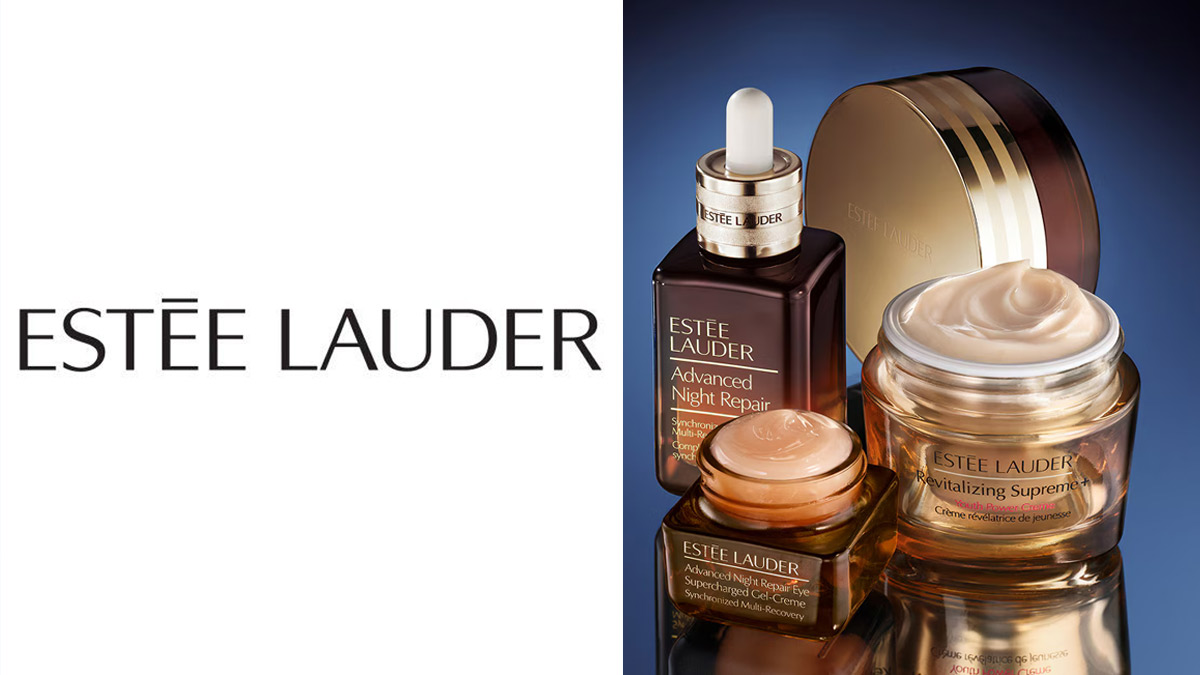
NEW YORK: Stéphane de La Faverie is not done cutting. Estée Lauder announced on Friday that it plans to eliminate as many as 3,000 additional jobs, taking its total redundancy programme to as many as 10,000 roles, up from a previous target of 7,000 announced a year ago. The company, which owns La Mer, The Ordinary, Tom Ford, and Aveda, employs roughly 57,000 people worldwide. The mathematics of what is now being contemplated is stark.
The fresh round of cuts is expected to generate a further $200 million in savings, bringing the total annual savings from the programme to as much as $1.2 billion before taxes. That money, De La Faverie has made clear, will be ploughed back into the turnaround.
A CEO in a hurry
De La Faverie, who took the helm in January 2025, inherited a company that had endured three consecutive years of annual sales declines. His response has been to move fast and cut deep. A significant portion of the latest redundancies reflects his push to reduce headcount at US department stores, long a cornerstone of Estée Lauder’s distribution model but now a channel in structural decline. In their place, he is accelerating the shift toward faster-growing online platforms, including Amazon.com and TikTok Shop, a pivot that is reshaping not just where Estée Lauder sells but how it thinks about its customers.
The numbers are moving in the right direction
Despite the pain, there are signs the medicine is working. Estée Lauder raised its profit outlook for the remainder of the fiscal year, guiding for adjusted earnings per share in the range of $2.35 to $2.45, above analyst estimates and a notable step up from the $2.05 to $2.25 range it had guided for in February. Organic net sales growth is expected to come in at 3 per cent, the company said, at the high end of the range it set out in February.
The share price tells a mixed story. After De La Faverie took charge, the stock surged nearly 60 per cent, buoyed by investor optimism that a longtime company insider could finally arrest the decline. But 2026 has been rougher: the shares have fallen 27 per cent this year, weighed down by disappointing February results and the overhang of unresolved merger talks with Spanish beauty giant Puig Brands SA. The company gave no additional details about those discussions on Friday, leaving the market to guess.
Silence on Puig
The proposed tie-up with Puig remains the most consequential unknown hanging over Estée Lauder. A deal with the Barcelona-based group, which owns brands including Carolina Herrera and Rabanne, would reshape the global luxury beauty landscape. But with nothing new to say and a turnaround still very much in progress, De La Faverie is asking investors to trust the process.
Three years of sales declines, 10,000 job cuts, and a merger that may or may not happen. At Estée Lauder, the overhaul has barely started.