MAM
Tetra Pak’s new TVC marks beginning of its carton equity campaign
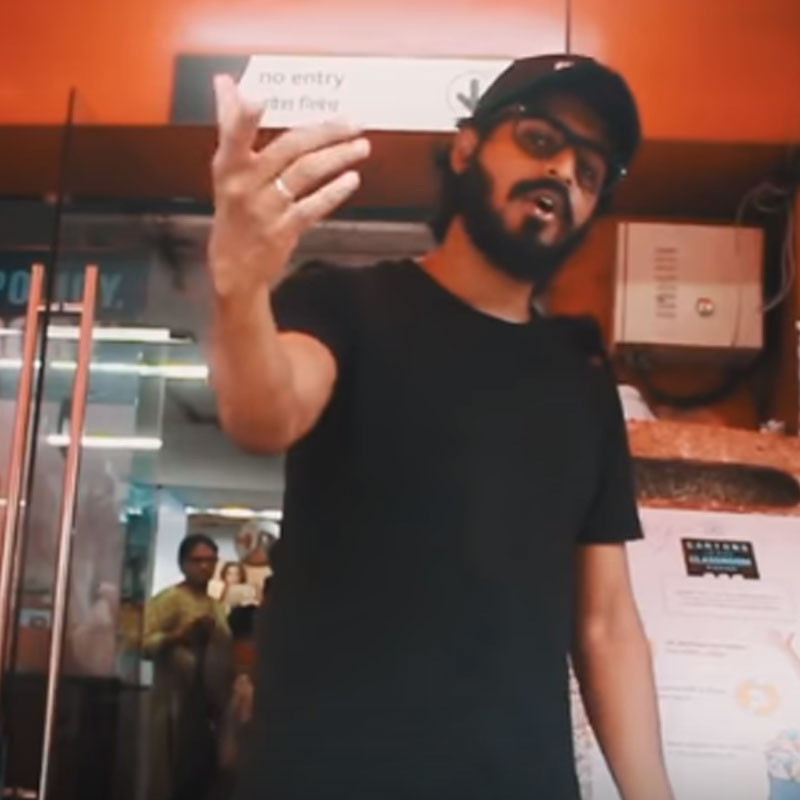
MUMBAI: Tetra Pak has launched a television commercial that targets mothers with young children that will air for a period of four weeks on popular channels in India.
The key message of the campaign is that milk is best protected in Tetra Pak cartons and drives home the promise of safety of UHT (ultra-high temperature) treated milk in 6-layer Tetra Pak packages.
The TVC marks the beginning of Tetra Pak‘s cartoon equity campaign and will be supported by several on-ground activities. Besides using social media and its consumer-focused website, Tetra Pak has also planned for workshops for nutritionists, dieticians, paediatricians as well as media professionals to better inform them on how milk is best protected with Tetra Pak technology.
Tetra Pak South Asia Markets MD Kandarp Singh said, “Apart from continuing to highlight the functional benefits of Tetra Pak’s six-layer packaging, the TVC reinforces the overall value proposition by visualising the benefits of UHT processing in a compelling way. The TVC’s call-to-action is for consumers to look for our ‘Protects What’s Good’ motto stamp on Tetra Pak cartons because “with the Tetra Pak sign, it’s 100% fine”.

Brands
Maharashtra panel orders Lodha to refund Rs 5 crore to homebuyers
Consumer court flags unfair practices in long-running property dispute case
MUMBAI: In a sharp rebuke to one of India’s biggest real estate players, the Maharashtra State Consumer Disputes Redressal Commission has directed Macrotech Developers to refund nearly Rs 5 crore to a senior citizen couple, Uttam and Anindita Chatterjee. The ruling, delivered on March 13, 2026, calls out the developer for “deficiency in service” and “unfair trade practices”, bringing closure to a dispute that has stretched over a decade.
The case traces back to 2015, when the couple booked a 3-BHK flat at World Towers in Lower Parel for Rs 12.22 crore, with possession promised within a year. What followed was a series of changes that complicated matters. After deciding to exit the project, they were persuaded to shift to a 4-BHK in another development priced at Rs 8 crore, with delivery scheduled for 2018. However, within months, the price was allegedly increased to Rs 10 crore. After demonetisation reshaped the market, similar flats were reportedly being offered at lower prices, but the couple were not given the benefit.
Despite paying over Rs 2.83 crore, the couple neither received possession nor clarity. Instead, in 2018, the developer unilaterally cancelled the booking, retained part of the amount as earnest money, and argued that the buyers were investors rather than consumers. The commission rejected this claim, observing that casual references to “investment” do not take away consumer rights when the purchase intent is residential.
The bench also held that the developer could not penalise buyers for payment delays while failing to meet its own delivery commitments. It noted the lack of formal documentation for revised terms and termed the prolonged retention of funds without delivering a home as exploitative.
As part of its order, the commission directed the developer to refund Rs 2.83 crore paid by the couple, along with interest at 10 per cent per annum, amounting to around Rs 2.12 crore. In addition, Rs 1 lakh has been awarded for mental agony and Rs 50,000 towards litigation costs, taking the total payout to over Rs 5 crore. The developer has been asked to comply within two months.
For now, the ruling serves as a reminder that in real estate, shifting terms and delayed promises can carry a significant cost.