MAM
Luxury marketing and Indian buyers: An overview

Mumbai: In the dynamic world of fashion retail, where trends evolve at the blink of an eye, technology emerges as the silent force steering the industry to unprecedented heights. This intricate dance between fashion and technology has not only broadened accessibility but has fundamentally transformed the entire shopping experience. In this exploration, we unveil the pivotal role technology has played in driving the exponential growth of fashion retail.
Technology’s impact on fashion retail
In the ever-evolving landscape of the fashion retail industry, technology stands as the unsung hero, orchestrating a symphony of innovation that has propelled the sector to unprecedented heights. The symbiotic relationship between technology and fashion retail has not only expanded the boundaries of accessibility but has also revolutionised the entire shopping experience. Let’s delve into the key ways in which technology has been the driving force behind the exponential growth of fashion retail.

Luxury marketing in India: A symphony of tradition and modernity
Luxury marketing in India is a finely tuned art that focuses on promoting high-end products and services to a select and affluent consumer segment. The Indian luxury market has experienced remarkable growth in recent years, fueled by a booming economy, a rising middle class, and shifting consumer preferences. Here’s a comprehensive overview of luxury marketing in India and the behavior of Indian luxury buyers.
Segmentation and targeting: Crafting exclusivity
Luxury brands in India often set their sights on a niche audience with a high disposable income. Segmentation involves a meticulous analysis of demographics (income level, age, occupation), psychographics (lifestyle, values), and behavior (purchase patterns, brand loyalty). The goal is to create a sense of exclusivity that resonates with the discerning tastes of the luxury consumer.
Brand positioning: Crafting aspirational narratives
Creating a distinct and aspirational image is at the heart of luxury brand positioning. Brands often emphasize heritage, craftsmanship, and exclusivity to set themselves apart in a crowded market. This narrative not only establishes a connection with the consumer but also elevates the brand to a coveted status.
Digital presence: The evolution of luxury marketing
In an era dominated by digital connectivity, luxury brands in India are increasingly leveraging online platforms for marketing. Social media, online advertising, and e-commerce play a pivotal role in reaching the affluent consumer base. The digital space becomes a canvas for storytelling and brand engagement, offering a unique avenue for luxury brands to connect with their audience.
Retail experience: Creating opulent spaces
Exclusive and well-designed retail spaces are crucial for luxury brands. These spaces go beyond mere transactions; they curate an experience. Personalized shopping experiences and impeccable customer service become extensions of the brand, enhancing the overall perception of luxury.
Collaborations and limited editions: Fostering exclusivity
Luxury brands often collaborate with Indian designers, celebrities, or influencers to enhance their appeal. Limited edition releases create a sense of exclusivity and urgency, driving consumer interest and loyalty.
The landscape of Indian luxury buyers
Changing demographics: The rise of the new guard
The demographic profile of luxury buyers in India is evolving, with a younger audience showing a keen interest in luxury goods. Millennials and Generation Z are emerging as significant consumers of luxury products, reshaping the market landscape.
Value for tradition and heritage: A cultural affinity
Indian luxury buyers often value products that showcase traditional craftsmanship and heritage. Brands that incorporate elements of Indian culture or history find themselves particularly attractive to this discerning audience.
Status symbol and recognition: Beyond the material realm
Owning luxury items in India is often synonymous with social status and recognition. Luxury purchases are driven by a desire to display success and affluence, making them powerful symbols in society.
Digital savvy: The tech-savvy luxe consumer
The younger generation of luxury consumers in India is digitally savvy, influencing their purchasing decisions. Online research, social media presence, and digital marketing play a vital role in reaching and engaging this demographic.
Rise of experiential luxury: Beyond materialism
Indian luxury consumers are increasingly valuing experiences over material possessions. Luxury travel, fine dining, and exclusive events are gaining popularity, signaling a shift towards a more experiential form of luxury.
Global trends influence: A glocal affair
Indian luxury buyers are influenced by global trends and fashion, often seeking international luxury brands. This cross-cultural exchange shapes the preferences of the Indian luxury consumer, creating a fusion of global and local tastes.
Sustainability and ethical practices: A growing consciousness
There is a growing awareness among Indian luxury consumers regarding sustainability and ethical practices. Brands that emphasize responsible business practices may attract a more conscientious consumer base, aligning with the evolving values of the modern luxury buyer.
Conclusion: Balancing tradition and modernity
In summary, luxury marketing in India requires a delicate balance of tradition and modernity, exclusivity, and accessibility. Understanding the evolving preferences of Indian luxury buyers is not just beneficial; it is imperative for luxury brands to establish a strong and enduring presence in this dynamic market. As technology continues to shape the narrative of fashion retail, and the tastes of consumers evolve, the symphony of tradition and technology will continue to play a harmonious tune in the world of luxury marketing in India.
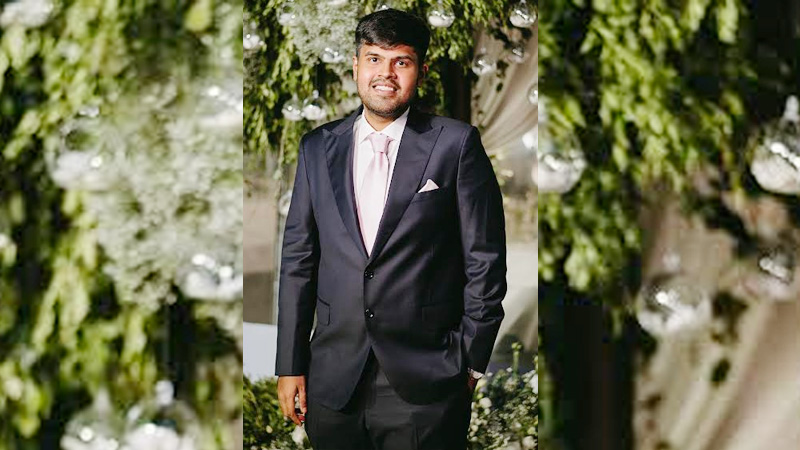
The author of this article is Thomas Scott India director Vedant Bang.