MAM
O&M brings alive Fevicol Marines’ waterproof promise
MUMBAI: Pidilite‘s adhesive brand Fevicol has rolled out a new TV campaign for its water proof adhesive product ‘Fevicol Marine‘. This is the second campaign of its kind, the first having been launched two years back.
In the previous campaign, the ad borrowed from one of the most remembered Fevicol ads – the one that featured the “Dum laga ke haisha” tagline. This time though the tug of war doesn‘t happen on land, but in the backwaters of Kerala. The concept was adopted in order to reiterate that Fevicol Marine promises a strong bond even in water.
This time around, Fevicol Marine campaign tagline is ‘Wohi mazboot jod, paani mein bhi‘ and has been conceptualised by Ogilvy & Mather and the ad is produced by Corcoise Films. The ad will be aired across key markets including entire Hindi speaking belt and supported by regional channels in South India, West Bengal, Maharashtra, and Gujarat for 4-5 weeks period starting mid-September 2012. The communication will be extended through various BTL activities such as outdoor advertising, high visibility and innovative POS, demand generation activations, dealer certification, contractor certification and gratification program, Contractor contact programs, Marine Shoppee among other elements.
The story of the commercial follows a boatman in the rural hinterland who has set out in his boat to a nearby city. His boat is filled to capacity with wooden chairs. As he rows through the serene waters, an old man waves out to him, almost as if he wants to hitch a ride. Since there‘s no room on the boat, the boatman subtly gestures to the old man that he can‘t take him on board. Just then the old man clarifies that it‘s not him who wants a ride but his young daughter. The boatman suddenly stops the boat.
On seeing the beautiful daughter, the boatman decides to offer her a ride at any cost. He kicks a stack of chairs into the water and makes room for her. The girl quickly points out towards her goat. So the boatman throws more chairs into the water. Once again the girl points out towards a huge hay stack. Soon all chairs are kicked out of the boat. And the boatman happily continues his journey, ferrying the girl, her goat as well as the hay stack.
It is then revealed that he hasn‘t gotten rid of his chairs either. He‘s tied them to the boat with a rope, unperturbed by the fact that the wooden furniture is submerged in water.
Pidilite Industries chief marketing officer Anil Jayaraj said, “In last two years, the brand has evolved to successfully create a niche waterproof adhesive category and strengthen the overall brand equity of the mother brand Fevicol. Post successful campaign with the last creative, we wanted to highlight the strength and brand promise in an entertaining and humorous manner that has become synonymous with Fevicol advertising. With the help of the new creative, the brand has embarked on a new journey of becoming the ideal adhesive for waterproof plywood & for damp areas like kitchen etc.”
The TV campaign will be supported by an integrated marketing campaign. Apart from outdoors and increased visibility at trade outlets Pidilite is also executing a number of demand generation initiatives to reap maximum advantage of the new TVC.
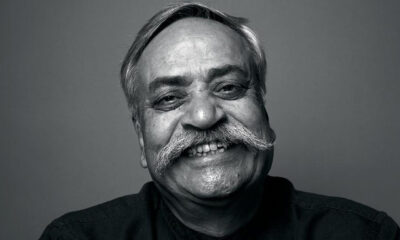
Ogilvy & Mather- South Asia executive chairperson and creative director Piyush Pandey said, “Keeping in mind the tone and manner that Fevicol has had for the last 20 years, the Fevicol Marine ad captures the spirit of India, borrows from India and therefore becomes a part of the fabric of India like all Fevicol ads have been.”

MAM
India’s experience economy grows as live events market hits Rs 17,000 crore
EY-Parthenon and BookMyShow report finds 78 per cent Indians prefer experiences over products
MUMBAI: India’s live entertainment scene is no longer just about music, comedy or festivals. It is increasingly becoming a powerful stage for brands seeking deeper connections with consumers.
A new report titled Beyond Attention, Into Immersion by EY-Parthenon and BookMyShow suggests that India’s experience economy is entering a strong growth phase, driven by consumers who are choosing memorable moments over material purchases.
According to the study, the country’s live events ecosystem, which includes concerts, comedy tours, festivals and immersive exhibitions, is estimated to reach around Rs 17,000 crore in 2025. The growth reflects a broader cultural shift in how Indians spend their time and money.
The report finds that 78 per cent of Indian consumers now prefer spending on experiences rather than physical products. From attending concerts and festivals to participating in interactive brand installations, audiences are increasingly seeking engagement, community and shareable moments.
This change in consumer behaviour is particularly evident among younger audiences who want to participate rather than simply watch. Instead of passively consuming entertainment, many now look for experiences that allow them to interact, express themselves and connect with like minded communities.
For marketers, this shift has turned experiential marketing into a strategic priority rather than a promotional add on. Brands are moving away from interruption driven advertising and towards immersive formats that allow consumers to discover, test and emotionally connect with products.
The report suggests that experiential marketing now plays a role across the entire consumer journey. It can spark brand discovery, strengthen storytelling, encourage product trials and ultimately influence purchase decisions and loyalty.
The impact is already visible. Post event surveys conducted among 7,450 attendees at major events including Lollapalooza India and concerts by Ed Sheeran and Guns N’ Roses highlight the effectiveness of these experiences.
Around 59 per cent of attendees recalled brands they interacted with during the events, while 55 per cent said those interactions increased their likelihood of purchasing from the brand. A further 63 per cent reported that brand activations actually enhanced their event experience rather than distracting from it. Nearly 29 per cent also said the interaction improved their perception of the brand.
Brands are also changing the way they approach events. Instead of simply putting logos on stages or banners, companies are building experiences into the fabric of the event itself.
Financial services brands, for example, are offering early ticket access, exclusive lounges and curated event experiences for cardholders. Fashion and beauty companies are using festivals to showcase products through pop ups, interactive installations and social media friendly spaces that encourage visitors to share their experiences online.
The scope of experiential marketing now stretches far beyond live entertainment. Retailers are designing experiential stores where customers can explore products in lifelike environments. Entertainment platforms are extending popular intellectual properties into immersive exhibitions and fan events. Technology is also playing a growing role through augmented reality and virtual try on tools that blend digital discovery with physical interaction.
Cultural festivals remain one of the most powerful platforms for such engagement in India. Celebrations such as Navratri and Holi bring together large communities, emotional participation and heightened consumer spending. For brands, these moments offer an opportunity to become part of the celebration rather than simply advertise around it.
Despite the momentum, the report notes that some companies still hesitate to adopt experiential marketing at scale. Budget constraints, limited expertise and uncertainty around measuring return on investment remain common concerns.
However, the growing body of data around consumer engagement and brand impact is gradually addressing these challenges. More marketers are expected to allocate a larger share of their budgets to experiential formats over the coming years.
Taken together, the findings point to a clear trend. As consumers seek meaning, memories and moments worth sharing, live experiences are emerging as one of the most powerful ways for brands to stay relevant in a crowded media landscape.