MAM
Harlequin India collaborates with maruti international’s upcoming movie- ‘Grand Masti’

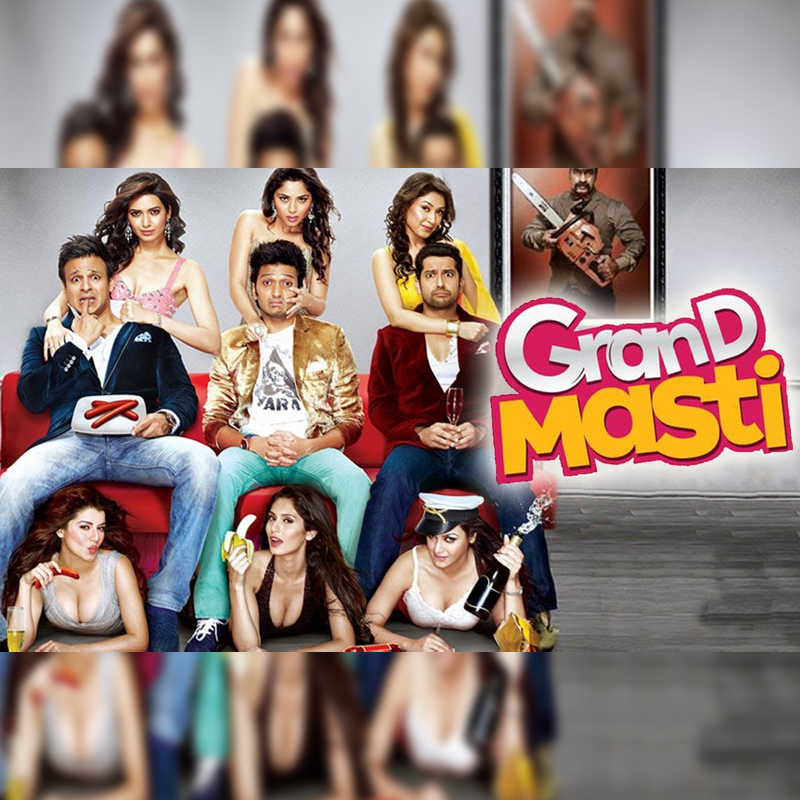
NEW DELHI: Maruti International has teamed up with Harlequin India for a first of a kind content partnership to feature the characters of its blockbuster movie franchise – Masti & now Grand Masti in an exciting book.
For the first time ever in Bollywood, this International publishing house has licensed the character rights of a feature film.
Maruti International established in 1983 is one of India‘s leading Bollywood film production house, headed by Ashok Thakeria and Indra Kumar. Having worked with Bollywood Superstars like Aamir Khan, Madhuri Dixit and the internationally acclaimed Anil Kapoor on multiple projects, this production house boasts of a number of successful and iconic films produced from their stable such as “Mohabbat, Kasam, Dil, Beta, Raja, Mann, Rishtey, Masti, Pyare Mohan, Dhamaal, Daddy Cool, Double Dhamaal & Super Nani (currently under-production, starring Rekha and Sharman Joshi)”.
In 2004, Masti directed by Indra Kumar, set the trend of adult-comedy in Bollywood. Taking forward the legacy of this brand, Bollywood‘s current hot topic of Adultery is presented once again by him in a new and refreshing light, in the much-awaited sequel – Grand Masti. This light hearted comedy is like a breath of fresh air deviating from serious cinema, taking adult-comedy many notches higher than its original flick.
Harlequin is one of the world‘s leading publishers of books for women. The Toronto-based company publishes over 110 titles a month in 31 languages in 111 international markets on six continents. Harlequin is unique in the publishing industry, combining over highly recognizable imprints including – Harlequin, Mira Books, HQN Books, Harlequin Teen, Spice, Harlequin Nonfiction, Mills & Boon; a global reach, a highly successful reader service and forward-looking technology (eBooks, downloadable audio, mobile phone applications) that not only allows the company to move further and further into the forefront of women‘s fiction but continues to position Harlequin for growth.
Harlequin India, which started in 2008, has brought its global romantic fiction and general fiction books to India. It has published Indian authors for its romantic fiction genre and is now expanding its Indian publishing portfolio to publish Indian authors in other genres of fiction.
“The Harlequin-Grand Masti tie-up is the first of its kind partnership, aimed at taking story content across platforms and build upon the synergies of the cinematic and narrative fiction genres and to reach out to more consumers”, says Harlequin India’s country head and publishing directorAmrita Chowdhury.”The book ‘Grand Masti: The Fun Never Ends’ will feature fun, rib-tickling and excitement-filled escapades of the three main characters of the film – Amar, Meet and Prem, played by Riteish Deshmukh, Vivek Oberoi and Aftab Shivdasani on screen. The movie franchise has been dubbed as India’s first adult comedy, on the lines of Hollywood blockbusters such as the American Pie series and The Hangover series. The book will be published by Harlequin under its Spice imprint & it has been written by author Neha Puntambekar.”
Priya Doraswamy of Lotus Lane Literary, is the agent instrumental for this first time ever association between Maruti International and Harlequin. Commenting on the tie up Ashok Thakeria says, “We are humbled & privileged that the international publishing house ‘Harlequin’ has chosen Grand Masti to enter the Bollywood arena, by licensing the character rights of a film for the first time, under their ‘Spice‘ imprint. The tie up between Harlequin andGrand Masti is a boon to the series as well as to the readers of the book. On one hand we are going to have an increased audience, fans of the film’s franchise will also be turning pages in the bargain and that I think is important today for people not to let go of reading habits,” says Thakeria.
As part of this tie-up, both teams are announcing the “Grand Masti Fun & Fabulous Author” contest, which is looking for authors to submit a fun original short story, featuring any one or all three of the movie’s main characters. Two winning entrants will receive a special Grand Mastigift hamper and have a chance to get their short story included in the e-book version, to be released globally. The print book will be available across the Indian sub-continent.
Harlequin and Maruti International are inviting aspiring authors to enter the “Grand Masti Fun & Fabulous Author” contest to submit their original story at the following siteswww.grandmastifilm.com, www.facebook.com/GrandMastiFilm between 19 July 2013 and 3 p.m.on 24 July 2013. “The idea of this web contest is to offer the loyal fans of this franchise, movie-goers and book-readers a deeper engagement with the characters of the film,” adds Chowdhury. “The e-book format really explodes the geographic boundaries for a writer, and makes the story available to readers around the world. Primarily for Indian authors and Bollywood-related books, we expect to see huge interest in the diaspora readers in the various global markets where the movie will be released.”
“If the story idea is fabulous and workable, we don’t mind making a film that emanates from the idea,” promises ace director Indra Kumar. So for the audiences it is time to watch movies, read books and write stories. That’s surely a lot of Grand Masti!