iWorld
Can new age social media platforms reinvent democracy in the 21st century in India

Mumbai: India is proud to be known as the mother of democracy. India as a nation has always tried to evolve its pro-people democratic structures to suit the changing times. Be it the ancient democratic structure mentioned in Rig Veda or the one based on the current constitution, the essence of Indian democracy has always been to keep citizens at the centre. Even after a long colonial period when India got freedom in 1947, the first thing she did was that she ensured democratic freedom for all and sundry.
Since 1947, the world has changed a lot. India now has a population of over 140 Cr with almost 100 Cr eligible voters. Technology, especially the Internet, has drastically changed the way society used to function. Along with the mode of communication and societal interactions, citizens’ requirements and aspirations have also changed. Today’s citizens are more connected, are more informed and are more sensitive toward their rights. Citizens not only want to express themselves and be heard, they want to be active participants in the process of democratic governance. And this phenomenon is not restricted to India; it has become a global phenomenon.
There has developed a crack between what people of the 21st century want and what democratic structures of the 20th century offer. People are not satisfied just by casting votes every five years and then remaining mute spectators for the rest of the time. People want to be active stakeholders of the system that dictates their lives. This demands a transformation, an evolution, of the existing democratic processes. This transformation should be seen as an opportunity to take society to the next level. And, India has a chance to lead the way for the whole by reinventing democracy for these changed times. As with everything, transforming democracy for the 21st century will need a new approach and new tools.
The first and foremost problem statement is ‘how can we develop an agile system that can continuously listen to citizens making them active participants?’
Currently, citizens try to express their views and opinions on various digital platforms such as X (formerly Twitter), Facebook etc. These social media platforms could have become the tools required by democracy in the 21st century. Unfortunately, these platforms prioritise noise over healthy communication. Moreover, discussions on these platforms rarely play any significant role in influencing the public policy discourse. Many times these platforms end up doing more harm than good. Unheard people turn angry, echo chambers further fragment the society, and distrust grows. These are dangerous signs for any society. This poses a unique challenge to democracies across the globe – the erosion of trust.
The technology and tools offered by the social media platforms can become an essential part of our democratic discourse if certain things can be repositioned:
From likes to aspirations: Imagine a platform that transcends the “like-chasing” culture, a major trust-eroder identified in a 2020 Pew Research Center survey, which reveals that only 27 per cent of Indians trust social media. What if, instead, it captures the aspirations of its users? For example, a 2021 LocalCircles survey revealed 74 per cent of Indian citizens prioritise better healthcare and education. Aggregating and analysing such aspirations, using AI for sentiment analysis, could create a data-driven roadmap for policymakers, reflecting the true will of the people.
From echo chambers to diverse dialogues: Algorithms currently exacerbate biases, as seen in a 2020 Carnegie India study highlighting the dominance of pro-government narratives. There is a pressing need for a platform that could defy this trend by prioritising diverse perspectives. Imagine exposing users to viewpoints across the political spectrum, employing fact-checking mechanisms and facilitating moderated discussions on sensitive topics like the Citizenship Amendment Act, the Kashmir unrest or the farmers agitations.
From filter bubbles to collaborative action: Social media while claiming to expand one’s existing network, it has ended up creating more silos. India’s diverse population risks further isolation online. Consider a hyperlocal platform that connects citizens based on shared aspirations and their locality. Imagine linking aspiring farmers with agricultural policymakers, urban youth with local environmental groups, or health enthusiasts finding like minded people in their neighbourhood, and pet owners meeting other pet owners leading to exchange of best practices and celebrating the common threads. Additionally, this could foster collaboration on day to day civic issues such as waste management and water conservation, a concern shared by 54 per cent of Indians according to a 2022 Down To Earth survey. Imagine a new platform which can amplify grievances of an ordinary citizen who is finding it difficult to avail a government service.
From Misinformation to Informed Engagement: The 2020 COVID-19 pandemic showcased the dangers of misinformation, with fake news fueling vaccine hesitancy, propelling distress migration. Imagine a platform partnering with fact-checking organisations to identify and label dubious content. Additionally, empowering users with critical thinking skills through interactive media literacy modules and challenges could equip them to discern fact from fiction.
From outrage to actionable insights: Social media often amplifies negativity in India. A new platform could go beyond, analysing discussions to extract actionable insights and solutions. Imagine identifying recurring concerns about rising unemployment, safety, security, education etc. The platform could then analyse popular suggestions from diverse groups and generate reports for policymakers, highlighting areas for potential solutions.
This vision demands collective action. We need platforms that prioritise genuine engagement, not just fleeting popularity. The future of Indian democracy rests on our ability to reimagine these platforms. Will we cultivate them, or watch them wither?
By raising awareness and sparking discussions, we can pave the way for a new generation of social media platforms that truly serve the needs of Indian democracy. Remember, every voice matters in this conversation. Let’s work together to ensure a digital space that fosters true engagement, inclusion, and the collective good.
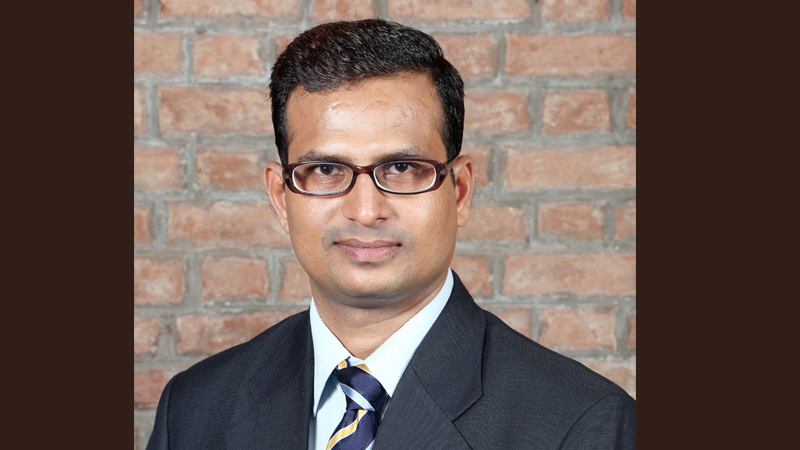
The author of this article is PoGoSo Social chief growth officer Narayan Singh Rao.






