MAM
Datsun to sell vehicles directly through Nissan Motor in India

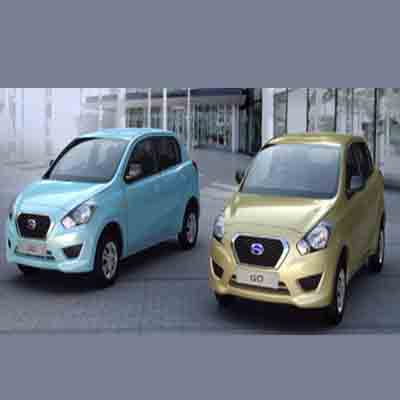
MUMBAI: The launch of the Datsun GO is now just months away, and when the first model goes on sale in early 2014 the vehicles will be sold directly through Nissan Motor in India.
Datsun global head Vincent Cobee said in a release: “Selling the Datsun GO and future Datsun models through Nissan Motor represents a natural evolution of the company’s operations in India, which are well recognised in the market. We are excited about launching the iconic Datsun brand in India and look forward to bringing a growing range of bespoke, locally-produced products and high level services to our customers.”
Cobee further added that an expanded model range will follow the introduction of the Datsun GO, a hatchback model that received positive reviews when it was revealed to the press and public earlier this year.

Datsun will work primarily with existing dealer investors who have already demonstrated high capabilities and commitment to the Nissan brand in recent years. This arrangement will in particular allow Datsun to rapidly establish a top quality, expansive retail network and open the brand to a large segment of the potential market straight from the initial launch.
Datsun is one of three brands within the Nissan Motor portfolio, joining Nissan and Infiniti. When president and CEO Carlos Ghosn announced that the venerable Datsun brand would reemerge after three decades, he said that the brand would serve optimistic up-and-coming customers in India.





MAM
India wins big at the 2025 Global Best of the Best Effie Awards
The Womb and McCann India take home Global Grand Effies, putting Indian advertising on the world map
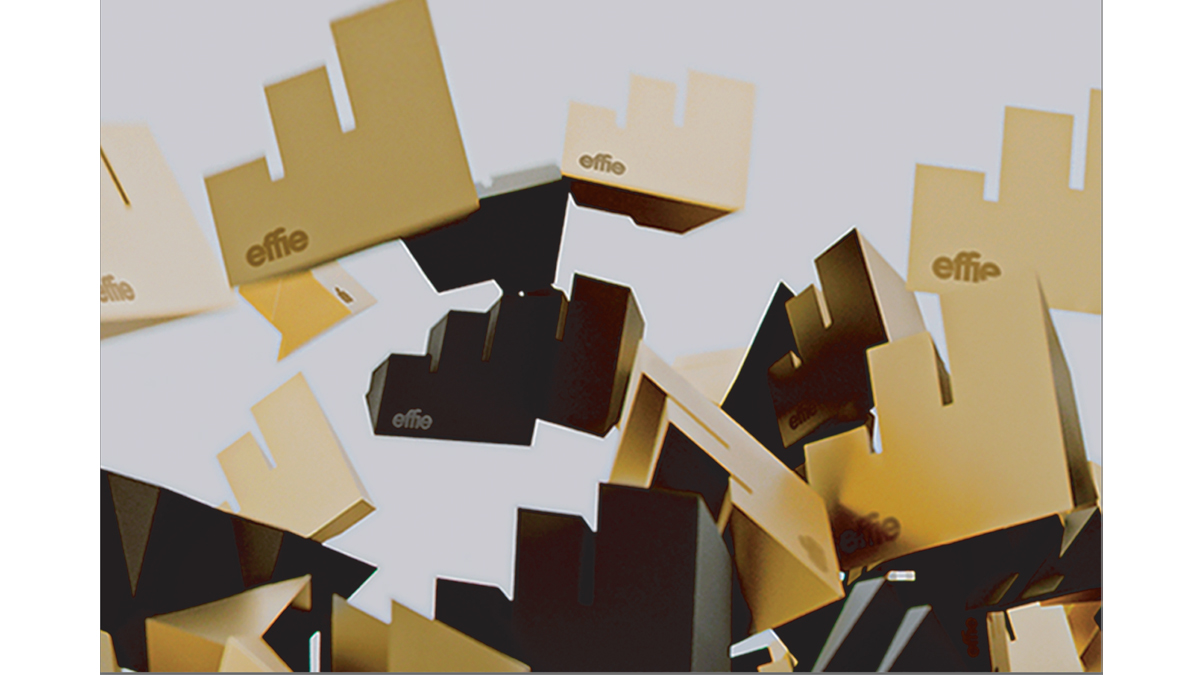
MUMBAI: Indian advertising just had its moment. At the 2025 Global Best of the Best Effie Awards, the most rigorous test of marketing effectiveness on the planet, two Indian agencies beat out campaigns from over 130 markets to claim Global Grand Effies, the sport’s equivalent of a world championship medal.
The Womb won for Piramal Finance with a campaign called “NEEYAT: India’s Real Credit Score,” a purpose-led push that took direct aim at systemic bias in the credit sector and reframed how creditworthiness is measured. McCann India won for ESAF Small Finance Bank with “Saving Her Savings,” a campaign centred on financial inclusion for marginalised women. Both wins came from a shortlist of 47 contenders, all of whom had already won gold or grand prizes in their home markets. Only 11 Global Grand Effies were handed out across seven markets. India got two.
The highest honour of the night, the Iridium Effie, awarded to the single most effective marketing campaign in the world, went to eos Products and Mischief @ No Fixed Address for “Women’s Shave.” Remarkably, it was their second consecutive year taking the top prize.
Other global winners included Oreo and Mondelez International for “Oreo Codes” in commerce and shopper marketing, Flamin’ Hot and PepsiCo for “Poker Face” in experiential marketing, and ALDI Australia for “Shop ALDI First” in retail.
The Best of the Best is no ordinary awards show. Entry is restricted to campaigns that have already won a gold or grand Effie at a national level, making it, in effect, a champions’ league of marketing effectiveness. Indian agencies are no longer just brilliant at cracking local markets. They are now setting the global standard.
The world’s best advertisers had better start paying attention.