Hollywood
Harry Potter 3 director gets VES Visionary award

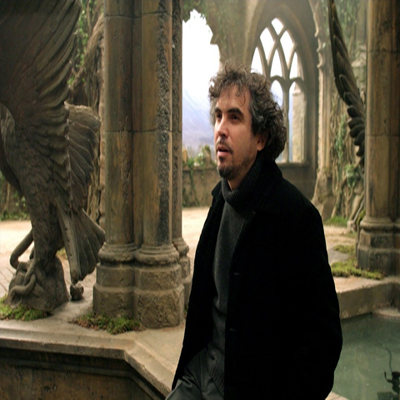
Today, the Visual Effects Society (VES), the industry’s professional honorary society, named acclaimed filmmaker Alfonso Cuaron as the recipient of its Visionary Award in recognition of his extraordinary career including his landmark achievement on this year’s hugely acclaimed Gravity.
The award will be presented to him at the 12th Annual VES Awards on 12 February, 2014 at the Beverly Hilton Hotel.

The VES Visionary Award, bestowed by the VES Board of Directors, recognises an individual who has uniquely and consistently employed the art and science of visual effects to foster imagination and ignite future discoveries by way of artistry, invention and groundbreaking work. VES will honor Cuaron for his consummate artistry, expansive storytelling and profound ability to use and pioneer technology and visual effects to bring his unique visions to life.
A three-time Oscar nominee, Cuaron directed, co-wrote, produced and edited the drama Gravity, which is one of the most acclaimed films of this. The accolades that Cuaron and the film have received to date include: Best Director and Best Picture awards from the Los Angeles Film Critics Association; four Golden Globe nominations, including Best Picture, Best Director, and Best Actress (Sandra Bullock); and ten Broadcast Film Critics Association nominations, including Best Picture, Best Director, Best Actress, Best Visual Effects, Best Cinematography, Best Editing and Best Art Direction.
Cuaron made his feature film directorial debut in 1992 with Solo Con Tu Pareja, the biggest box office hit in Mexico that year, which brought him an Ariel Award as the film’s co-writer. Cuaron made his American feature film debut in 1995 with the widely acclaimed A Little Princess, followed by Great Expectations in 1998. He then wrote and directed Y Tu Mama Tambien for which he received his first Oscar nomination for Best Original Screenplay as well as BAFTA Award nominations for Best Foreign Film and Best Original Screenplay. He went on to helm Harry Potter and the Prisoner of Azkaban, the third film in the most successful motion picture franchise of all time. Cuaron’s 2006 hit, Children of Men was celebrated by critics and film fans for its groundbreaking techniques. The film brought two Oscar nominations to Cuaron, for Best Adapted Screenplay and Best Editing.
“Alfonso pushes the known boundaries of filmmaking,” VES Board Chair Jeffrey A. Okun said in a release. “He has been at the forefront in using visual effects to tell remarkable, highly nuanced stories that change the way we think about what is possible to achieve. Throughout his career, Alfonso has shown a rare talent for using cutting-edge technology to engage us in his deeply visceral storytelling and create unforgettable cinematic experiences.”
Earlier, Christopher Nolan and Ang Lee have won the VES Visionary Award.





Hollywood
Disney chair confident CEO Josh D’Amaro will ‘rise to the occasion’ in Trump–Kimmel row
Board backs new chief as ABC controversy tests leadership early on
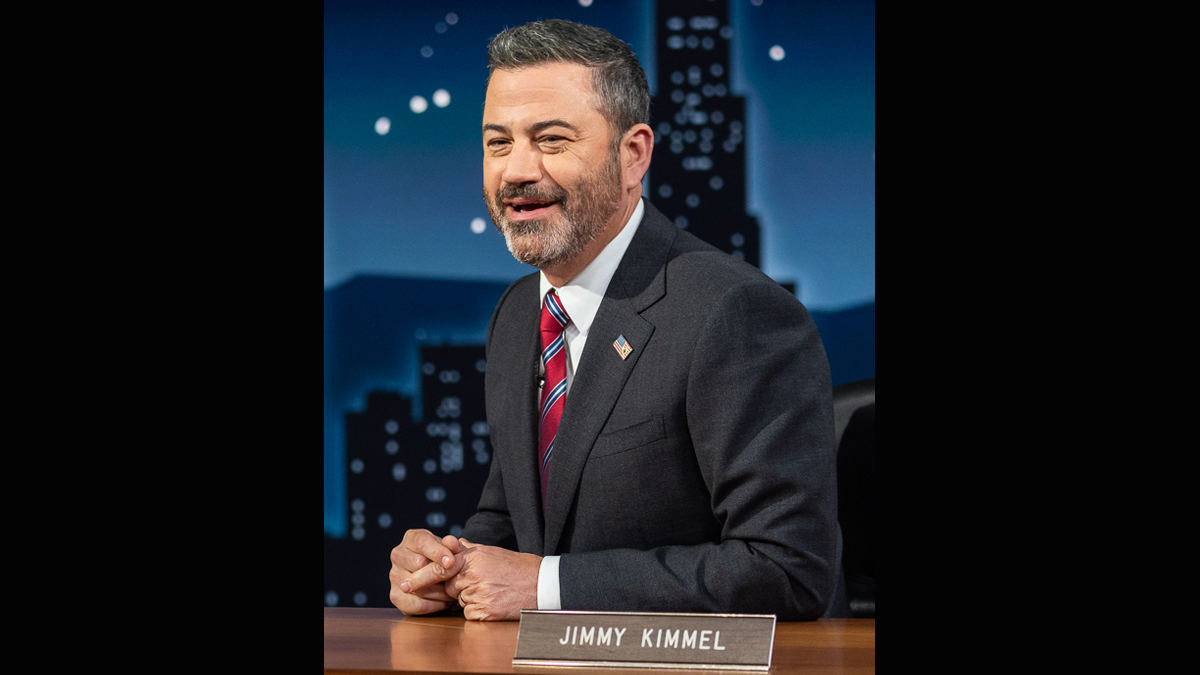
NEW YORK: The Walt Disney Company has placed the responsibility of handling the escalating dispute between Donald Trump and late-night host Jimmy Kimmel squarely on its new chief executive, Josh D’Amaro.
Speaking at a business conference in Oslo, Disney chair James Gorman said it would be up to the CEO and his team to determine the company’s response to the controversy surrounding Jimmy Kimmel Live!. He noted that such challenges are not uncommon for large corporations and require careful handling at the leadership level.
The row intensified after both Donald Trump and Melania Trump publicly called for Kimmel’s dismissal following remarks made on his show. The comments, which referenced the First Lady, sparked backlash in the days leading up to a security incident at the White House Correspondents’ Dinner.
Kimmel addressed the issue on-air, clarifying that his joke was intended as a reference to the couple’s age difference and not an incitement to violence. He also expressed sympathy for those affected by the incident and reiterated his stance against violent rhetoric.
Despite mounting pressure, Gorman refrained from offering specific guidance on the future of the show or the host. Instead, he voiced confidence in D’Amaro’s leadership, describing him as “world class” and capable of navigating the situation effectively.
The episode presents an early and high-profile test for D’Amaro, who stepped into the top role just last month. How Disney balances editorial independence, public sentiment and political pressure will likely shape not just the outcome of this controversy, but also the tone of its leadership in the months ahead.