MAM
73 per cent urban Indians see Ram Temple consecration boosting BJP/NDA vote bank: Ipsos IndiaBus Ram Temple Perception Poll


Mumbai: The consecration ceremony of the Ram Temple in Ayodhya was held on 22 January 2024. PM Narendra Modi was present at the temple and about 7,000 devotees including celebrities and prominent figures in society were present, who were there by invitation.
A lot has been written about the timing of the opening with general elections coming up this year. What are the views of the common man? Ipsos, a leading global market research conducted a survey among urban Indians to capture their views on how they perceive this grand opening of the temple. Overall, 73 per cent of the respondents polled believe the construction of the Ram Temple in Ayodhya will influence votes in favor of the BJP/ NDA in the upcoming General Elections. Similar views were pronounced among students (80 per cent), east (86 per cent), north (80 per cent), tier 1 (79 per cent), tier 3 (77 per cent), west (74 per cent), women (74 per cent), low education (74 per cent), high education (71 per cent), men (71 per cent), SEC A (69 per cent), tier 2 (62 per cent) and slightly lower among south (51 per cent) respondents.
Ram Temple in Ayodhya = Economic gains for Uttar Pradesh?

Overall, 77 per cent of those polled hold the view that the new Ram Temple in Ayodhya will boost economic gains for Uttar Pradesh. Across demographics the respondents polled held this view and agreed. East zone (91 per cent), north zone (89 per cent), west zone (80 per cent), 45 plsu age group (81 per cent), 18-30 years (78 per cent), 31-45 years (73 per cent), SEC B (81 per cent), SEC C (77 per cent), students (81 per cent), males (79 per cent), females (75 per cent) etc. The view was also endorsed by tier 1 (79 per cent), metros (78 per cent), tier 1 (79 per cent), tier 2 {76 per cent), tier 3 (75 per cent), low profile (79 per cent) and high profile (71 per cent). Only 45 per cent in south felt the temple will lead to economic gains for Uttar Pradesh.
Commenting on the findings of the survey, Ipsos India group service line leader, public affairs, corporate reputation, CSR and ESG Parijat Chakraborty said, “The Ram Temple in Ayodhya will influence the vote bank in favour of the BJP/ NDA is the dominant view. This view is being supported by more number of respondents across demographics. For south zone we see polarization of views. Likewise the Ram Temple giving a fillip to economic gains for the state of UP was universally endorsed across cohorts. Only south zone was polarized. New fancy trains, airport, and improved infrastructure in Ayodhya will finitely bring devotees to the holy city and increase tourism and economic benefits.”
Ram Temple opening – a religious event or political event
Overall, we see divided views – 51 per cent perceive it as a religious event; 16 per cent say it is a political event, while 26 per cent believe it is a religious cum political event and seven per cent were undecided. South zone was most divided with 24 per cent calling it a religious event, 35 per cent said political event, 24 per cent said both (religious and political), while 17 per cent were undecided. 66 per cent respondents in tier 3 called it a religious event and likewise for north zone (65 per cent) said it is a religious event.
“Perceived largely as a religious event, though its linkage with politics cannot be ignored,” added Chakraborty.
Methodology:
Ipsos IndiaBus is a monthly pan India omnibus (which also runs multiple client surveys), that uses a structured questionnaire and is conducted by Ipsos India on diverse topics among 2200 plus respondents from SEC A, B and C households, covering adults of both genders from all four zones in the country. The survey is conducted in metros, Tier 1, Tier 2 and Tier 3 towns, providing a more robust and representative view of urban Indians. The respondents were polled face to face and online. We have a city-level quota for each demographic segments that ensure the waves are identical and no additional sampling error. The data is weighted by demographics and city-class population to arrive at national average.




Brands
Google nears Nvidia in race for world’s most valuable company
Market cap gap narrows as Google hits $4.65 trillion, Nvidia at $4.86 trillion.
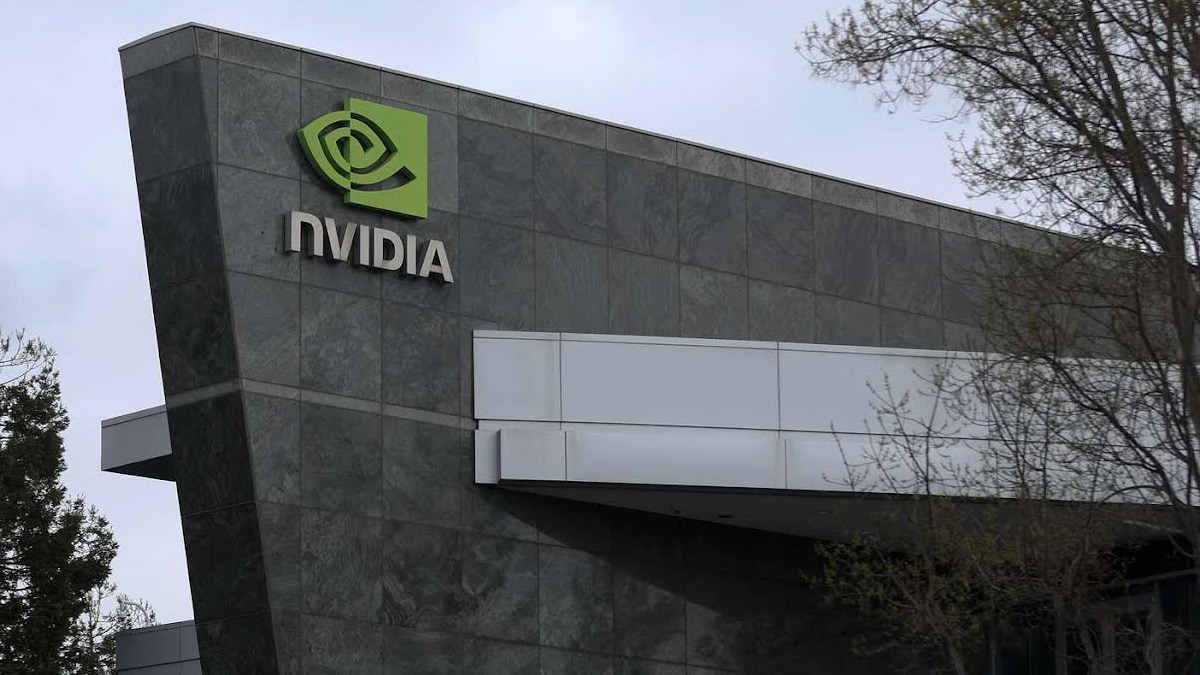
MUMBAI: In the AI gold rush, even the giants are sprinting and Google is suddenly gaining ground. Google is rapidly closing in on Nvidia in the race to become the world’s most valuable publicly listed company, with the gap between the two narrowing sharply amid diverging stock momentum. The tech giant’s market capitalisation has surged to around $4.65 trillion, following a more than 140 per cent rise in its share price over the past year.
That rally has added over $2.6 trillion in value in just 12 months, including nearly $900 billion since January alone. Its stock recently hovered at $381.80, slipping marginally by 0.04 per cent, but still reflecting strong upward momentum.
Nvidia, meanwhile, continues to hold the top spot with a valuation of approximately $4.86 trillion. The chipmaker crossed the $5 trillion milestone in October last year and peaked at $5.27 trillion on 27 April. However, its shares have largely plateaued over the past six months, rising just 0.2 per cent recently to $199.99.
The contrast in trajectories is striking. While Nvidia has seen relatively flat movement, Google has gained over 36 per cent in the same six-month period. Barron’s estimates suggest that if current trends hold, the valuation gap could shrink to as little as $190 million by the time Nvidia reports its first-quarter earnings on 20 May.
Daily momentum paints a similar picture. Nvidia recorded average daily gains of about 0.66 per cent last month, compared to Google’s stronger 1.42 per cent, an edge that could prove decisive in the short term.
Driving Google’s resurgence is its aggressive push into artificial intelligence across its ecosystem, from search and YouTube to cloud computing. The company has already invested $144 billion in capital expenditure over the past two years and plans to deploy a further $490 billion over the next two.
Its cloud division is also gathering pace. Google Cloud reported an order backlog of nearly $220 billion in the latest quarter, with total backlog touching a record $462 billion, around half of which is expected to be realised within two years. The company’s entry into chip sales is also beginning to factor into its growth narrative.
The last time Google briefly topped the S&P 500 by market value was in February 2016, when it edged past Apple for just two days. This time, the stakes and the numbers are far higher.
At the heart of the contest lies a single force: artificial intelligence. As both companies pour billions into infrastructure, chips and platforms, the leaderboard is no longer just about size, it is about who can scale the future faster.