iWorld
FameBox crowns Madhushree Rao as India’s first-ever WebChef!

FameBox WebChef, the first of its kind online reality show for amateur cooks, has created a stir among foodies online, bringing to them a delectable mix of appetizing recipes and inspiring stories of men and women who raised the bar to showcase their passion for food.
The FameBox WebChef finale saw Madhushree Rao, final year student at Mount Carmel College, Bangalore, win the maiden title of India’s first ever ‘FameBox WebChef’. The 22-year-old beat off competition from four other finalists and wowed celebrity judge Vir Sanghvi with her creativity and poise while impressing the head chefs at ITC Chola with her skill and technical expertise. Emerging as India’s maiden WebChef, Madhushree will take home Rs. 1 lakh of prize money along with an opportunity to create her own channel dedicated to food on the Famebox network.
Madhushree, whose interest in cooking developed by keenly watching her mother and grandmother cook, chose to participate in FameBox to challenge her culinary skills.
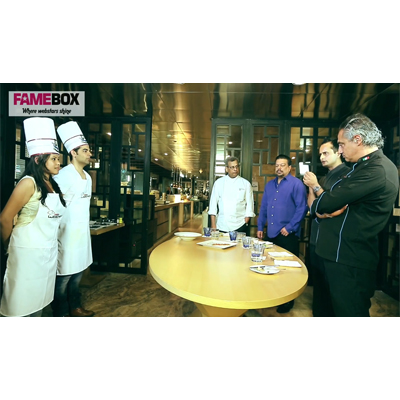
The finale kicked off on Youtube earlier this week on March 24, 2014, with a 90 minute challenge to prepare and present a three course meal and a welcome drink. The next grueling challenge that the contestants then faced was “Fast and Foodious,” during which they had to create their choice of fast food. This also saw the elimination of Sneha Dutta, journalism major. In the next task, “Key Ingredients”the semi-finalists had to prepare dishes using the key ingredients couscous and byadagi chilli. After this round, Samina Patel, a management student, was eliminated. The Grand Finale now was between the top 3 contestants – businessman, Yuvraj Jadhav, working professional, Sandeep Sreedharan and Madhushree – being challenged by the Head Chefs at ITC Chola to recreate their signature dishes. Each of the 3 were given a dish created by one of the chefs.
The participants then had to recreate the dish. This was the final and deciding challenge.
On bagging the WebChef title, Madhushree said, “Initially creating videos for the reality show came across as a challenge where my mom and dad were extremely supportive and helped me in the process. I believe an opportunity to set up my own channel will help me in converting my hobby into a profession. Overall, it has been a great journey with the fellow contestants and Mr. Vir Sanghvi who has been a great mentor. This has been one of the most challenging and exciting experiences of my life.”
FameBox WebChef kick-started in October 2013, as a platform to acknowledge and encourage the skills of passionate cooks and groom them to become Web Stars. The FameBox WebChef channel crossed 1 million watch minutes, 1700 likes and 2400 comments on YouTube even before the finale was fully uploaded.
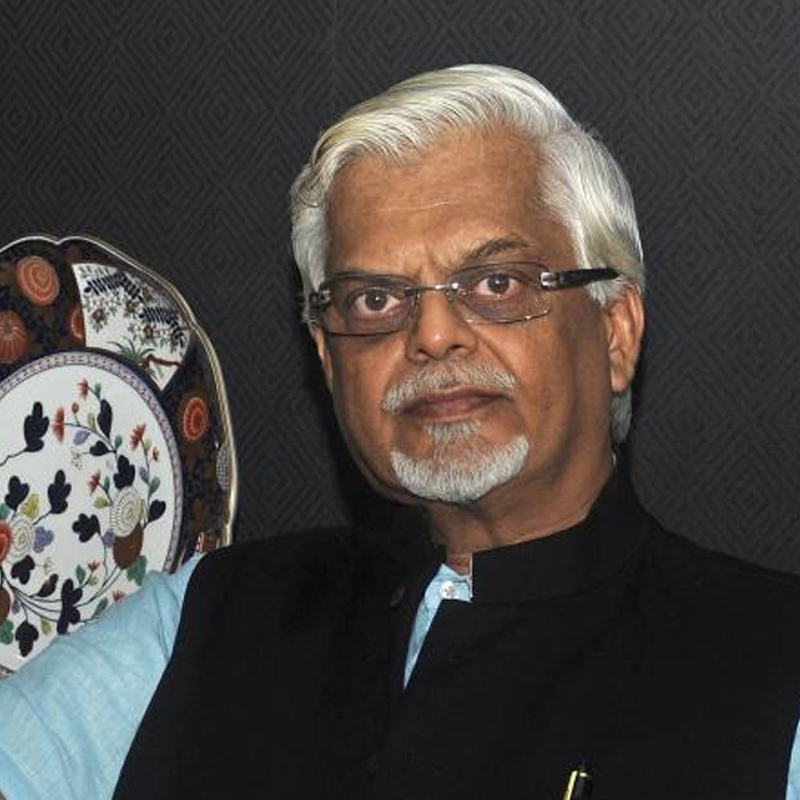
Vir Sanghvi, well known talk show host and judge for FameBox WebChef said “This was a competition where we did not set out to make things difficult for the contestants; instead we gave them an opportunity to display their strengths. We were extremely happy to mentor the five finalists who have been extremely enthusiastic and made FameBox WebChef a success! ”
“This is the opening season of Famebox Webchef, India’s first online cooking reality show and we are thrilled to see the response that it has received from home cooks, viewers and advertisers alike. We continue to grow our food related web content and hope to develop and promote many more talented cooks in the process. We have already started planning for WebChef season 2.”said Mr. Dhruvank Vaidya, Business Head, FameBox.
Chef Ajit Bangera, Senior Executive Chef – ITC Grand Chola said “ITC Grand Chola is proud to have hosted the first ever FameBox WebChef challenge and we are delighted that the contestants were able to garner a brief exposure of ITC Hotels’ rich culinary heritage. We hope that during the course of the competition, they were able to learn what it takes to “perform live” in a professional show kitchen, much like our chefs do at Pan Asian and Ottimo – CucinaItaliana”.