Press Release
Animal Planet’s new series ‘The Wildlife of Tim Faulkner’ premiers 1 June
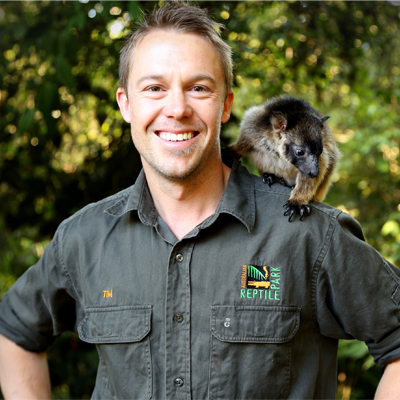
MUMBAI: Wrestling a saltwater crocodile, wrangling a deadly inland Taipan or milking a Funnel-web spider to make anti-venom; it’s all in a morning’s work for reptile park operations manager and wildlife expert Tim Faulkner. Then there’s the giant Galapagos tortoise to weigh, the baby wombat to feed, the flying fox to rescue and a new species of native bird to discover. That still leaves time in this passionate conservationist’s day to release a blue- tongued lizard, tag a wild platypus and save the Tasmanian Devil from extinction. Welcome to the wildlife of Tim Faulkner.
Premiering June 1st, Animal Planet brings a new television series following the daily adventures of Australian wildlife expert, Tim Faulkner in Australian Reptile Park and beyond. Airing every night at 9 pm in June, each episode of THE WILDLIFE OF TIM FAULKNER captures his amazing energy, not only at the Reptile Park, but high in the hills of Devil Ark in NSW Barrington Tops, trapping rogue crocodiles in the Northern Territory and tagging wild platypus in their natural habitat.
Tim Faulkner describes his real passion as “Australian wildlife, their management within zoos, the education of people who visit the zoos and their conservation within their natural habitat”.
Now 32 years, Tim has been working in the zoo and conservation industry his whole life. Since volunteering at a Sydney Wildlife Park from the age of 14, Tim has worked with some of Australia’s rarest most endangered species and their species management programs within captivity. Tim is currently General Manager of the award winning Australian Reptile Park, and has received accolades for his conservation work on Tasmanian devil breeding facility Devil Ark.
Tim is playing an important role in the Tasmanian devil mainland breeding program, the Devil Ark. The iconic Tasmanian devil is nearing extinction from the devil facial tumour disease. In Animal Planet’s series, viewers follow Tim as he discusses the devastating effect facial tumors are having on the animal and what the Reptile Park is doing to help. Tim is extremely proud that the Park has bred more devils than any other establishment.
The series also introduces viewers to extracting venom from snakes and spiders. Tim’s work with the Australian Reptile Park’s venom program also sees him handle the world’s deadliest snakes and spiders to produce venom which is then made into anti-venom at the Commonwealth Serum Laboratory.
THE WILDLIFE OF TIM FAULKNER will also see him moving a 4 metre alligator from one pond to another; entering an Alligator lagoon to retrieve eggs from some not so happy gator moms; repairing a leakage in a not-so-friendly crocodile’s pool; visiting a bat rehab centre; rescuing a funnel web spider and a rogue Death Adder; milking a rare King Brown snake and other awe-inspiring works at the park.
Highlights of the series:
· Australia Reptile Park is the only zoo in Australia committed to saving lives with a Venom-Milking Program in place for the past 50+ years, saving over 300 lives each year being the sole supplier of a variety of venoms, which is used for all snake and funnel-web anti-venom in Australia.
To keep up the supply of venoms, highly trained staff of the Australian Reptile Park regularly ‘milk’ more than 300 snakes and 500 spiders that are included in the program.
· Devil Ark is a Tasmanian devil breeding facility in the NSW Barrington Tops that is currently home to around 170 Tasmanian devils. Founder John Weigel, also owner of the Australian Reptile Park, built Devil Ark in 2010 to house large numbers of Tassie devils living in natural conditions.
The species is under threat of extinction from Devil Facial Tumour Disease, an insidious contagious cancer that is transmitted by biting. Unfortunately for the devil, they bite frequently when feeding, socialising and mating, so the disease has spread quickly, reducing numbers by a massive 90% in some parts of Tasmania.

MAM
Bali Travel Insurance for Animal Bite Incidents: Is There Really Coverage?
Bali is full of memorable moments, and some of them involve animals. Temple monkeys tug at bags, beach dogs nap near sunbeds, and cats wander into cafés like they own the place. Most interactions are harmless, but a bite or scratch can change the day quickly, because you may need immediate medical care and follow-up treatment. This is where Bali travel insurance becomes more than a box to tick.
In this article, you will explore whether animal bite treatment is insured, the exclusions, and the steps to claim easily in Bali.
Why Animal Bites in Bali Need Special Attention
Bites are not only about the visible wound. Insurers and doctors both treat them as medical events that can pose an infection risk, especially when the bite breaks the skin.
A scratch that looks small in the moment can still lead to:
● A doctor’s examination and wound cleaning
● Medicines and dressings
● Follow-up consultations if the doctor advises observation or further care
From an insurance perspective, this matters because claims are usually assessed on medical necessity and documentation, not on how dramatic the injury appears in a photo.
How International Travel Insurance Looks at an Animal Bite
Most travel policies are built around emergency medical expenses for unexpected illness or accidental injury abroad. A bite or scratch usually fits the accidental injury bucket, but coverage is rarely blanket.
In many plans, the following may be considered if a doctor prescribes them and bills and medical notes support them:
● Consultation and outpatient treatment
● Emergency care and procedures, such as wound dressing or stitches, if clinically required
● Prescribed medicines and investigations
● Hospitalisation if the treating doctor confirms it is needed
Common Reasons Claims Get Reduced or Rejected
This is the part travellers often miss. Insurers usually do not deny claims because an animal was involved. Claims become difficult when the event looks avoidable, the reporting is delayed, or the paperwork is weak.
Avoidable-Risk Situations Insurers Scrutinise
Policies commonly exclude or limit claims linked to unsafe conduct or preventable exposure. For animal bites, scrutiny may increase if the incident appears connected to:
● Provoking, feeding, or trying to handle wild animals
● Ignoring warning signs at tourist spots
● Being intoxicated at the time of the incident
● Activities that a policy lists as excluded or restricted
The takeaway is simple: if your own description sounds like a risky choice rather than a sudden accident, the insurer may challenge it.
Delays, Missing Papers, and Policy Conditions
Even when your incident is genuinely accidental, claims can still stall due to basics such as:
● Not informing the insurer or assistance partner within the required time
● Missing itemised bills, prescriptions, or clinical notes
● No proof of travel dates or passport entry details when requested
● Submitting only pharmacy slips without a doctor’s consultation record
International travel insurance is paperwork-driven. If you document it well, you reduce the chance of avoidable back-and-forth.
What to Do If You Are Bitten or Scratched in Bali
Your health comes first, always. But a few sensible steps can protect your recovery and keep your insurance file clean.
Medical Steps That Help You and Your Claim
Act fast, stay calm, and get proper care before worrying about bills.
● Clean the wound promptly and seek medical care, even if it seems minor
● Follow the doctor’s advice, including follow-ups if recommended
● Avoid self-medicating in place of a clinical assessment, because insurers often ask for a doctor’s report
Claim Notes and Documents to Collect
Keep these handy; they’ll save time and avoid follow-up questions later.
● Doctor’s notes that mention the nature of injury, treatment given, and advised next steps
● Prescriptions and pharmacy invoices
● Itemised hospital or clinic bills
● A brief written note of where and when it happened, while it is still fresh in your mind
Final Word
Animal bites in Bali are not rare, and they are not always dramatic, which is exactly why travellers underestimate them. Many travel policies can cover bite-related medical treatment when it is accidental and medically necessary, but the outcome depends on your policy terms and the quality of your documentation. If you buy cover thoughtfully, keep the assistance number handy, and respond sensibly if an incident happens, you give yourself the best chance of both good medical care and a smoother claim experience.