MAM
ProcMart appoints Sachin Jain as chief financial officer and chief strategy officer

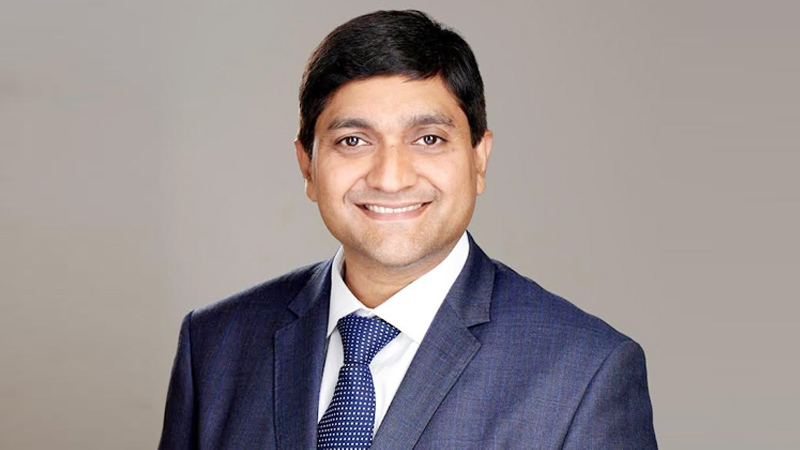
Mumbai: ProcMart, an online B2B marketplace specialising in supply chain solutions announces the appointment of Sachin Jain as its new chief financial officer (CFO) and chief strategy officer (CSO). Sachin, a seasoned financial leader with a rich background in finance, strategic planning, and implementation, brings close to two decades of expertise to ProcMart. This appointment marks a significant milestone for ProcMart as it aims to further strengthen its financial framework and drive growth.
Sachin is a chartered accountant (CA), company secretary (CS), and cost & management accountant (CMA). He holds a Diploma in Advanced Management & Learning Program from Oxford University, London (OAMLP), showcasing his global perspective on management and leadership. Additionally, he has completed the Senior Leadership Program from IIM Ahmedabad.
Speaking on his appointment at ProcMart, Sachin Jain said, “With a robust pipeline of orders and new customer opportunities, ProcMart is at the cusp of embarking on an exciting phase of growth and financial health. I look forward to diligently executing on our strategic and financial priorities, and upholding our commitments to all investors. I am equally eager to lead the team towards heightened productivity and process excellence. This involves ensuring a consistent implementation of financial controls and structural efficiencies while leveraging technology for optimal business excellence.”

Commenting on Sachin’s appointment, ProcMart founder and CEO Anish Popli said, “Sachin’s extensive expertise in finance and strategic planning makes him an invaluable asset to our team. His role is pivotal in driving growth, enhancing our financial frameworks, and maximizing shareholder value. His tenure in previous roles has been distinguished by a steadfast commitment to excellence, strategic insight, and a knack for driving significant transformations, highlighting his extraordinary acumen as a financial leader. As he takes on the role of leading our Executive Team, we eagerly look forward to the expertise he will bring to the organisation.”
Prior to joining ProcMart, Sachin’s illustrious career includes significant roles, such as CFO at Mahle Anand Filter Systems, where he comprehensively managed finance, tax, and IT operations. As senior vice president of Finance at Anand Group, Sachin’s dedication to excellence, strategic foresight, and transformative leadership have been instrumental.




Brands
Samsung India elevates Aditya Babbar to lead mobile business
Exec takes charge of MX sales and marketing after Raju Pullan’s exit

NEW DELHI: Samsung India has elevated Aditya Babbar to lead its mobile phone business, following the exit of Raju Antony Pullan.
Babbar, who previously served as vice president within the mobile division, has been appointed head of sales and marketing for the MX (mobile experience) business, effective May 1. In his new role, he will oversee the company’s sales and marketing operations for smartphones and related categories in India, reporting to the executive vice president of the MX business.
A long-time Samsung executive, Babbar brings over a decade of experience within the organisation, having held multiple leadership roles across product, marketing and category management. Most recently, he led product marketing and e-commerce for the mobile division, following earlier stints as head of product and marketing and senior director roles.
His career within Samsung Electronics and its India operations has also included responsibilities for flagship devices, tablets and wearables, giving him a broad view of the company’s premium and mass-market portfolio.
Babbar succeeds Pullan, who stepped down from the role, marking a leadership transition at a time when India remains a key battleground for global smartphone makers.
The appointment signals continuity within Samsung’s leadership bench, with an internal candidate stepping up to steer one of its most critical business units in a highly competitive market.