GECs
Viacom18’s digital plan is about ‘mobile first’

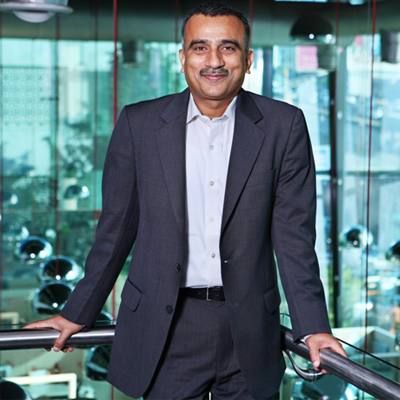
MUMBAI: As the world, including the television industry, moves to digital, ways are being found to capture and engage audiences on multiple screens. Viacom18, the JV between Viacom International and TV18, the subsidiary of Network18, is also thinking digital to get a hold of audiences when they skim online.
Its nine channels – Colors, Rishtey, Nick Jr, Nick, Sonic, MTV, Vh1, Comedy Central and MTV Indies – form the network’s broadcast side.
Viacom18 group CEO Sudhanshu Vats sees digital as an accompaniment to television viewing. “In India digital is at a very nascent stage. In the US, over the years, TV viewership has remained the same or inched up a little. It is consumption in the digital space that has grown and the same trend will be seen in India,” he says. While India boasts of a 1.2 billion population seated in 250 million homes, the number of TV homes is just about 160 million. “This gap of 90 million means that there will always be room for classic TV content as well,” adds Vats.
Much of this digital contribution currently comes from urban India but Vats says that data shows a reasonable amount of rural India also utilising the digital medium. As per him, traffic coming from PCs and laptops is an urban phenomenon while rural India is more hooked to the mobile.
Its flagship channel, Colors, boasts of 414,000 followers on Twitter, thanks to its extensive thrust on the social media platform. It is way ahead of competition on both Twitter as well as Facebook. It also has commendable followers for its non-fiction properties such as Bigg Boss and Jhalak Dikhkhla Jaa.
In terms of content exclusive to digital, Viacom18’s MTV has experimented a lot with webisodes of which a few have never appeared on television. Now the focus is on creating content that suits the smaller screens. “We need to revisit how best to customise content for the small screen from the way it is shot as well as the duration. What are these short stories? Do they invite to action or a combination of narrative and time span, etc. When you say mobile first, it is what you will do for this screen first that matters,” points out Vats.
Vats agrees that the business model for monetisation of TV content is superior to digital, which is still in an evolution phase. So the need of the hour is to understand how to target multiple screens. “As transportation develops in India, ‘snacking’ will gain shape. Digital will offer more snacking content and less long-form. The minute you have the option of watching stuff on a bigger screen you will, but on the other hand, you will snack. Also, the current online content stream is low on quality and high on price. We are exploring avenues in the mobile space to change that for the better,” he explains.
However, Viacom18 is also focused on increasing traffic to its channel websites rather than to its Youtube page. Colors diverted traffic to its official website rather than its Youtube page for people who wanted to watch Comedy Nights With Kapil. “We had to focus on where people were viewing Comedy Nights With Kapil, and direct it to where we want them to view it. So we figured having a smaller section on YouTube and baiting them from there to the Colors website made more sense in this case,” explains Vats.
He also says that digital is a lot about windowing. “What is running live on television, when is going to be linear in that sense on digital – simultaneous or windowed later – and what is the monetisation plan for each of them. If you want to watch it in the linear format, then it may be subscription based. If you want to watch it later, it might be a combination of subscription and advertising,” concludes Vats.