Connect with us

Content Hub

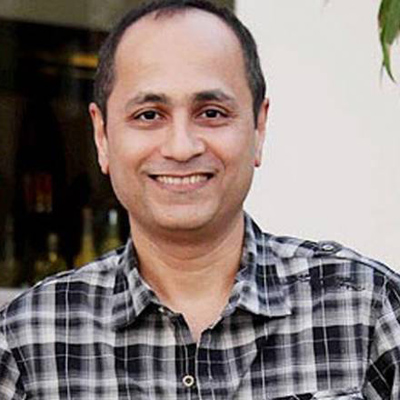
“Mini-series is the way forward”: Vipul A Shah

Published

on

MUMBAI: He started his career as a director with a soap opera called Ek Mahal Ho Sapno Ka on Sony Entertainment Television (SET) in the year 1999. It was the first Hindi fiction series to reach the landmark of 1000 episodes and is considered as one of the longest-running television serials of Indian television.


After that, there was no looking back for Vipul Amrutlal Shah, who has given the film industry hit movies like Aankhen (2002), Waqt: The Race Against Time (2005), Namastey London (2007), London Dreams (2009) and Action Replay (2010) as a director. He has also produced movies like Singh Is King, Force, Commando and Holiday.  

Advertisement


The producer cum director is back to the small screen, and this time with an action series Pukaar – Call for the Hero on Life OK.


Advertisement

In the second of the Content Hub series, Indiantelevision.com had a quick chat with Vipul Shah to understand his views on the growth of content over the years and what the audience expects from a director/producer.


According to Shah, the larger issue with television content is that it is static. “We have got stuck into the rut where we feel that the audience just wants to see the saas-bahu soaps and that is the only way forward. I don’t think that is right,” he says.

Advertisement


He believes that audiences are not stagnant and they move forward even before the creators of the show realise. “There was a time when daily soaps would clock a TRP of 20 plus. Today the number one show is five or a little more than that. This only suggests that the number of viewers watching the series is no longer the same.”


Advertisement

With most television content packed with saas-bahu soaps, Shah feels that somewhere the television audience is losing interest. “And largely, producers are to be blamed for not creating different content. I think the time has come where channels and producers need to realise and give a new dimension to the work we are doing.”


He wants the television industry to evolve and think beyond saas-bahu soaps. With its new series being a bi-weekly and a finite one (slated for 24 episodes), he says that the audience is looking out for something new always. According to Shah, mini-series is the way forward. “Internationally, it is the way. We are going to move forward with mini-series,” he adds.

Advertisement


He strongly believes that Indian content has the ability to travel abroad. Shah informs that his directorial debut Aankhen was going to be made in Hollywood as well. “We had almost sold our rights to a Hollywood studio. My producer messed up the deal; otherwise Aankhen would have been the first film to travel to Hollywood.”


Advertisement

Shah states that we should not worry too much about what Hollywood wants and should concentrate on the Indian market. “If we are able to satisfy the 125 crore people in India, the whole world will come to us,” he opines.


Talking about creative freedom from the broadcasters end, Shah says that he has always been given absolute freedom. “Nobody has ever told me anything in terms of how I should write or direct.”

Advertisement


As a maker, Shah is open to look at concepts which are new, dynamic, challenging and fun to execute.


Advertisement

For the background, Content Hub brings together writers, creators, producers, artistes and broadcast executives, both for TV and digital on one platter. The initiative is aimed at established professionals, newbies and anyone who is keen on taking the plunge into the fascinating world of writing, producing and creating for television and the digital space.

Click to comment

Leave a Reply

Your email address will not be published. Required fields are marked *

Content Hub

TCH 2024: One Nation: Diverse Voices

Published

on

Mumbai: Exploring the shift from regional to national content, this synopsis delves into the trends and challenges. It navigates the transformation, analyzing industry dynamics, emerging trends, and the hurdles faced. From preserving regional variation to adapting to a broader audience, it examines the multifaceted journey of regional content evolving into a national narrative. In what ways do the emerging trends and challenges influence the dynamics of the entertainment industry during this transition? How can creators navigate these changes effectively? What strategic approaches can content creators adopt to strike a balance between maintaining regional identity and fostering a cohesive national narrative in their work? How can the transition from ‘regional’ to ‘national content’ impact cultural diversity within the entertainment industry, and what measures can be taken to ensure the preservation of regional variation?

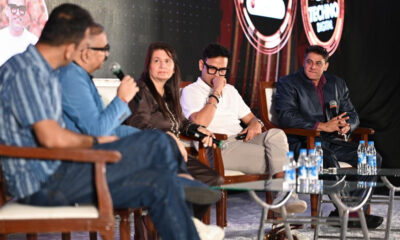
In a rapidly evolving media landscape, seasoned industry professionals have offered valuable insights into the transformation of content consumption and production. The session was chaired by Ernst and Young partner Raghav Anand, MMTV chief executive officer P.R. Satheesh, Sony Marathi business head Ajay Bhalwankar, PTC Network chairman & MD Rabindra Narayan, Shemaroo Entertainment COO, Digital, Saurabh Srivastava esteemed voices in the field, have articulated their perspectives on the burgeoning shift towards globalised content.

Rabindra Narayan emphasised the dissolution of regional boundaries in content consumption, attributing it to the accessibility facilitated by global platforms and connectivity options. He predicts a future where language barriers will fade, citing the potential of technology to clone and adapt voices, thus enabling seamless localization across languages.

Advertisement

Saurabh highlighted the democratisation of content creation in the digital era, underscoring its empowerment and revenue potential, particularly in linguistically diverse markets like India. He emphasizes the value of culturally rooted storytelling in filling gaps in content supply, with technology enabling effective monetization, especially through OTT platforms.

Ajay Bhalwan sheds light on the evolving landscape of Hindi and regional language content, noting a significant shift where a substantial portion of content on Hindi film channels originates from regional languages. He accentuates the importance of language in enhancing authenticity and audience engagement, exemplified by the strong resonance of Marathi content in Maharashtra.

PR Satheesh underscored the paramount importance of content quality in driving viewership and transcending language barriers. Drawing parallels with the global popularity of Korean dramas, he advocates for leveraging technology, including AI and real-time translations, to enhance content creation and distribution.

Advertisement

These insightful perspectives collectively echoed the industry’s adaptation to a globalised content landscape, where technology catalyzes innovation and accessibility. As content continues to evolve, these experts offered valuable guidance on navigating the dynamic media landscape and maximizing the impact of storytelling in diverse markets worldwide.

Continue Reading

Advertisement News18
Advertisement All three Media
Advertisement Whtasapp
Advertisement Year Enders

Copyright © 2026 Indian Television Dot Com PVT LTD

This will close in 10 seconds