iWorld
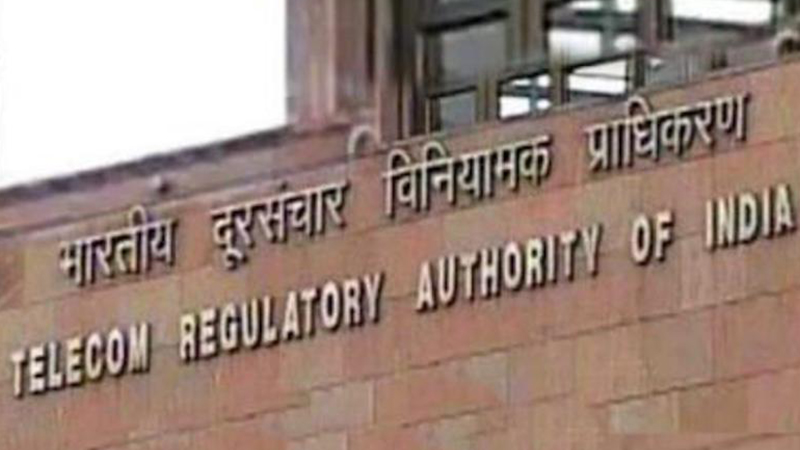
TSPs asked to ensure transparency in mobile billing, cut call drops


NEW DELHI: The Government has told Telecom Service Providers (TSPs) that the public in general was highly dissatisfied with frequent and heavy call drops throughout the day and that were not confined to peak calling hours, which shows poor quality of the telecom networks.
Briefing TSPs about the falling perception in the public with regard to poor quality of telecom services in the country in general and with special emphasis on degrading quality in Metros, the TSPs were today also told about the perception of the public that such call drops are deliberate attempts to have multiple charging and consequent commercial gain.
It was also noticed that the billing by TSPs is not transparent and there are frequent changes in the package rates, contrary to initial agreed upon package, without the consent of the customer.
The meeting chaired by Telecom secretary and Telecom Commission chairman Rakesh Garg was held following a recent Calling Attention Notice in Parliament in various public forums as well as in the media.
In case of international roaming, TSPs do not have any warning system about the tariffs to be charged for various applications, that is, data download, which result in many complaints of heavy charging of the customer. There have been frequent complaints of charging even though the customer has already disconnected or has not used the services of the TSPs.
The TSPs gave an assurance to look into the billing complaints on a priority basis and set up a transparent system to educate the customers about various tariffs being charged so that billing complaints are minimized.
The TSPs also highlighted the delay in acquisition of new sites for additional towers because of fear of EMF radiation in the public, closure of existing tower sites because of local bodies’ regulations and delay in getting permission from local bodies for laying/ repair of cables etc.
Garg emphasized the need for utmost integrity of the billing system and charging of telecom customers and to bring in place a transparent and foolproof billing mechanism with provisions for timely intimation and consent of the customer to effect any changes in the tariff plan, especially in case of national and international roaming.
It was also emphasized that TSPs should take further steps to educate the public about the stringent EMF norms being followed in India. It should be highlighted through seminars and public meetings that there are no harmful effects of tower radiations. The education material as well as seminars should also be conducted in vernacular languages. To improve the quality of the network to reduce frequent call drops, it was emphasized that the TSPs should optimize their RF network extensively in a regular and routine matter.
DoT has also written from time to time to various State Governments/ Local Bodies to facilitate the acquisition of tower sites, permissions for laying/ repair of cables in line with guidelines issued by the Department. The TSPs should also follow the guidelines issued by local bodies in this regard. He emphasized that in no case these can become shield for poor service in the public perception and all the TSPs should take all possible steps to improve the quality of service and deal with customers’ complaints promptly.
All the TSPs assured they would take all necessary measures to bring transparency in the billing system and to improve the overall quality of telecom services in the shortest possible time.