Hindi
Website launched for NRI films; open to global filmmakers

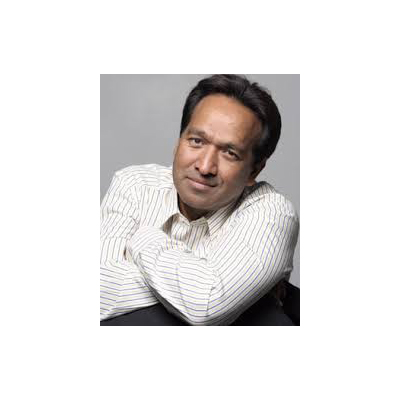
NEW DELHI: New York-based Indian filmmaker Tirlok Malik has launched a website for screening films about and by non-resident Indians (NRIs).
The site www.NRITVFILMCLUB.com was inaugurated in New York by Indian consul general Dnyaneshwar M. Mulay in the presence of many prominent people from the Indian community, media and entertainment.
The event was held at the Indian Consulate in New York. Mulay congratulated Malik, founder of NRI TV Film Club, by saying, “It is a wonderful idea. Very much needed. And it will make the bridge between Hollywood and Bollywood by creating NRI-wood.”
NRI TV Film Club website is for the audience to watch movies made by NRIs, about NRIs, with NRIs. NRI TV Film Club website is also a platform to promote and create opportunities for NRI talents in the area of film, television and new media. It is a collective effort of filmmakers and artists.
The website was launched with 15 films made in America by NRI filmmakers with local Indian American talent. Some of the films are award winning and have been shown worldwide.
NRI TV Film Club will be producing and showing more films, TV sitcoms, web series with Indian American and multi-cultural talents.
The annual membership fee for the club is $35.
In an exclusive interview with Indiantelevision.com, Emmy nominated filmmaker Malik says, “These movies have immigrant themes but with universal emotions. Many of these films do not reach wider audience. But with the new technology of streaming movies just like Netflix, we are able to bring these movies for the audience to watch worldwide. There are more than 25 millions NRIs worldwide and their families in India. We believe you will enjoy these movies. I am glad other NRI filmmakers have shared this vision with me and joined me.”
The team behind this vision was announced at the event. TV Asia chairman H.R. Shah is the honorary chairman of NRI TV Film Club. Dr. Sudhir Parikh, who is chairman and publisher of Parikh Worldwide Media Inc., is supporting this vision.
Malik informed that filmmakers were not paying for their films to get on the site. “It is a collective efforts by the film fraternity,” he added.
The site will include features as well as short films.
NRI filmmakers from other countries were also welcome to send in their films, he said.
Asked if Indians who had made films on NRI themes such as Hyderabad Blues by Nagesh Kukunoor could send in their films, he said the site was open to filmmakers worldwide.
Malik’s company Apple Productions has produced many films since 1990 starting with its first film about Indian Americans titled Lonely in America.
Malik has also acted in several Indian films including Lajja and Dr Ambedkar, and was also the line producer in the US for these films.