Hindi
Box Office: Gangaajal disappoints, Neerja holds ground in second week

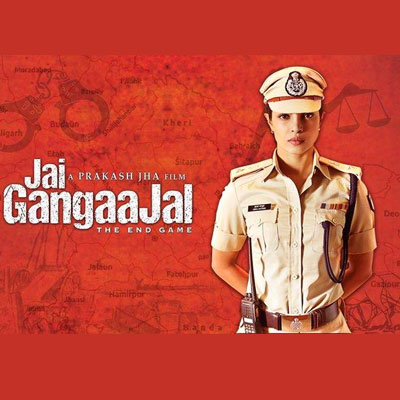
MUMBAI: Prakash Jha trying to cash in on his 2003 film Gangaajal comes a cropper. The film relates in no way to the earlier film, nor does it refer to any jal in its tedious 148 minute narration. Using the face and popularity of Priyanka Chopra as a front, surprisingly, producer-director Prakash Jhahas launched himself as an actor at a rather late stage of his life. So much so that Priyanka is relegated to play second fiddle to Jha’s character. Jha also does not care too much for known faces of the supporting cast, mainly the villains, in his outdated local bahubalistory of Bihar.
Expectantly, the film opened to a poor response and unfavourable word of mouth kept its collections restricted on Saturday and Sunday with little improvement. Despite facing no major film in opposition, Gangaajalended its opening weekend collecting a mere Rs15.5 crore.
Zubaan, another release of the week, just passed unnoticed.

Aligarhfellprey to its negative theme which amounts to torture at the multiplex admission rates. Acceptance of a film by the audience depends solely on the identification the audience finds with the story. In the case of Aligarh, there is none. The film collected just Rs 2.1 crore for its first week.
Tere Bin Laden: Dead Or Alive is still born. A total let down compared to its first version, the film managed just Rs2.85 crore in its first week.
Bollywood Diarieswas poor at just about Rs40 lakh in its first week.
Neerja held its ground in its second week. Entertainment Tax exemption in various states along with total positive word of mouth has helped. It is rare for such a heroine oriented biopic to collect about 67 per cent of its opening week figures. The film has added a handsome Rs 20.85 crore in its second week thus taking its two week total to Rs 55.05 crore. This recovery from just the film’s domestic theatrical market is remarkable considering its all-inclusive cost of Rs 21 crore.
Sanam Re collected Rs 20 lakh in its third week to take its three week total to Rs28.3 crore.
Airlift added Rs35 lakh in its fourth week to take its total to Rs 126.05 crore.




Hindi
Rajesh Ramaswamy exits The Script Room to focus on filmmaking journey
Ad filmmaker steps away from own venture to pursue direction and storytelling

MUMBAI: In a move that has caught the attention of the advertising and creative community, Rajesh Ramaswamy has announced his exit from The Script Room, the company he co-founded, marking the end of a seven-year stint at the helm.
The decision, which came into effect earlier this month, signals a shift in focus for Ramaswamy, who is now looking to immerse himself fully in filmmaking and direction as an independent creative.
Known for blending sharp advertising insight with storytelling craft, Ramaswamy has been instrumental in shaping The Script Room into a creative hub that delivered campaigns, branded content, and original storytelling formats. Over the years, the company collaborated with agencies, directors, and a wide network of writers, while also experimenting with formats such as short films and web series.
Sharing his thoughts on the transition, Ramaswamy indicated that the move is driven by a desire to focus and explore stories he has been developing over time. While he acknowledged the unconventional nature of stepping away from one’s own venture, he also framed it as a necessary leap toward clarity and creative pursuit.
Importantly, The Script Room will continue its operations with its current team and leadership, with Ramaswamy expressing confidence in the group that helped build the company’s identity. The studio, he noted, remains well-positioned to evolve further with fresh talent and ideas.
His exit also reflects a wider industry trend, where experienced advertising professionals are increasingly transitioning into independent filmmaking, tapping into the growing opportunities across digital and long-form content platforms.
As Ramaswamy steps into this new phase, the move underscores a familiar creative instinct, sometimes, the boldest ideas begin with a clean break.