iWorld
nexGTv and ONE launch comedy only app – Comedy One


MUMBAI: After launching its kids special content on nexGTv Kids, the over-the-top platform is now focusing on strengthening its comedy content. For which, it has partnered with One Network Entertainment to launch ‘Comedy One’. Claiming it as the first of its kind comedy only app catering premium original comedy content ranging between stand up, gags, and spoof, nexGTv aims to hog maximum eyeballs by targeting the comedy space.
Speaking on this developement, a nexGTv executive said, “Comedy is a genre that has evolved expansively over the past couple of years with the entry of a lot of young, talented and enthusiastic creative individuals. The viewing preference of the audience, too, has evolved with this change. No more satisfied with run-of-the-mill jokes, slapstick routines and clichéd comic situations, Indian viewers now want hard-hitting and impactful content that makes them laugh and reflect at the same time. Our partnership with ONE, a leader in comedy content production, is meant to cater to this segment of the audience by delivering the most relevant content at their fingertips. We are confident that the this app will find great traction on the back of its differentiated content and will become the digital destination of choice for meeting their daily dose of humour.”
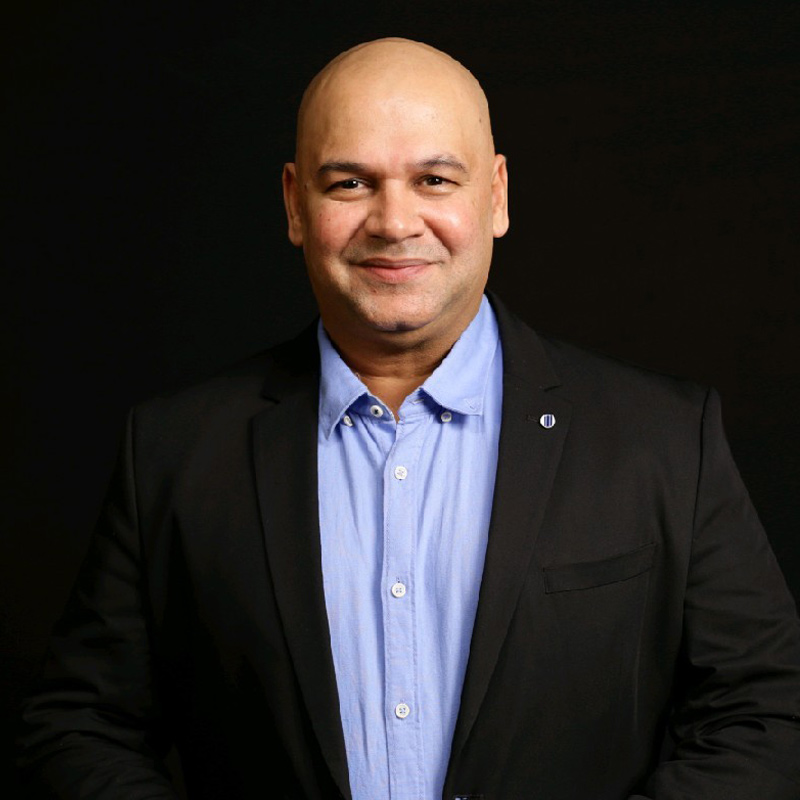
ONE executive director and co founder Suresh Menon too added, “This partnership is the next level in our journey of building destinations and creating IP in the online comedy video space. We are very excited about this tie up with the leaders in online video technology, distribution and monetization, and believe that the future where technology enables convenient content creation, access and consumption is finally here.”

The app would will showcase ‘Kaun Banega Roadpati’, ‘Aadmi Heera Hai’, ‘Pakao Paparazzi’, ‘Waiter Waiter’, ‘Doctor Doctor’ and ‘Interview with a Villain’ available as a part of its humour-based catalogue. However, it is too early to say if Comedy One would find its niche in the already vibrant online comedy space, beating the TVFs, AIBs and other independent content creators.


iWorld
Telcos push for unified rules as spam shifts to OTT platforms
Over 80 per cent fraud moves online, operators seek common framework.

MUMBAI: The spam may have left your phone network but it hasn’t left you alone. India’s telecom operators are once again dialling up the pressure for a unified regulatory framework, warning that fraud is rapidly migrating to internet-based platforms where oversight remains far looser. According to industry communication, a leading operator has written to multiple arms of the government including the Department of Telecommunications, the Ministry of Electronics and Information Technology and the Ministry of Finance arguing that tighter controls on traditional telecom networks are inadvertently pushing bad actors towards over-the-top (OTT) communication platforms.
The concern is not new, but the framing has sharpened. What was once an industry grievance is now being positioned as a consumer protection issue. Operators say that tackling spam in silos no longer works, as fraudsters seamlessly shift across platforms, exploiting regulatory gaps. The result: a moving target that traditional safeguards struggle to contain.
Executives point to a clear shift in fraud patterns. OTT platforms are increasingly being used for phishing links, impersonation scams and bulk unsolicited messaging, with industry estimates suggesting that over 80 per cent of spam activity has now migrated online. In this environment, the lines between telecom networks, messaging apps and financial fraud are blurring fast.
At the heart of the industry’s demand is a call for a technology-neutral regulatory framework, one that applies consistently across telecom and internet-based communication services. Operators argue that the absence of uniform safeguards, such as sender verification systems, robust spam filters and clearly defined accountability mechanisms, has created enforcement blind spots that fraudsters are quick to exploit.
The proposal is straightforward but far-reaching. Telcos are pushing for baseline anti-fraud measures across all communication platforms, alongside faster response systems and deeper coordination between ministries. Given the interconnected nature of telecom networks, digital platforms and financial systems, they argue that fragmented oversight only weakens the overall defence.
The broader issue is regulatory arbitrage, the ability of bad actors to hop between platforms based on which is least regulated at any given time. Without harmonised rules, operators say, efforts to curb fraud risk becoming a game of whack-a-mole.
As digital communication continues to expand, the debate is shifting from who regulates what to how consistently it is regulated. For now, telecom operators are making their case clear: in a world where spam travels freely, regulation cannot afford to stay fragmented.