MAM
Isobar introduces programmatic radio buying in India

MUMBAI: The face of radio and music consumption has changed with the smartphone explosion in India and so has the way advertisers look at the market. With almost all music consumers tuned into their favourite tracks through their choice of over-the-top digital music players, top media agencies too are taking note that radio as a form of mass media could catch up with the rest backed by data and analytics.
A good example of this is the recently launched initiative from Dentsu Aegis Network’s digital arm, Isobar India, in partnership with AMNET that facilitates programmatic radio buying — a first of its kind in India as per the agency. In order to execute the first ever digital radio, Isobar and AMNET partnered with digital audio companies, Triton Digital and AdsWizz by integrating data with Appnexus.
Online music consumption enabled by players like Guevara, Tunein, Planet Radio city, AIR Fm Gold and Music Live FM etc. have democratized the music industry in India, making it a lucrative segment for brands to capitalize on. However, until recently, media buys used to happen on these platforms on an ad hoc basis with no clear definition of the audience segment clusters.
But with introduction of digital radio infusing intelligent targeting through programmatic solution,the new tool from Isobar will be efficient in aiding the process of acquiring new customers and delivering relevant output to existing customers via search, display, native, video and social.
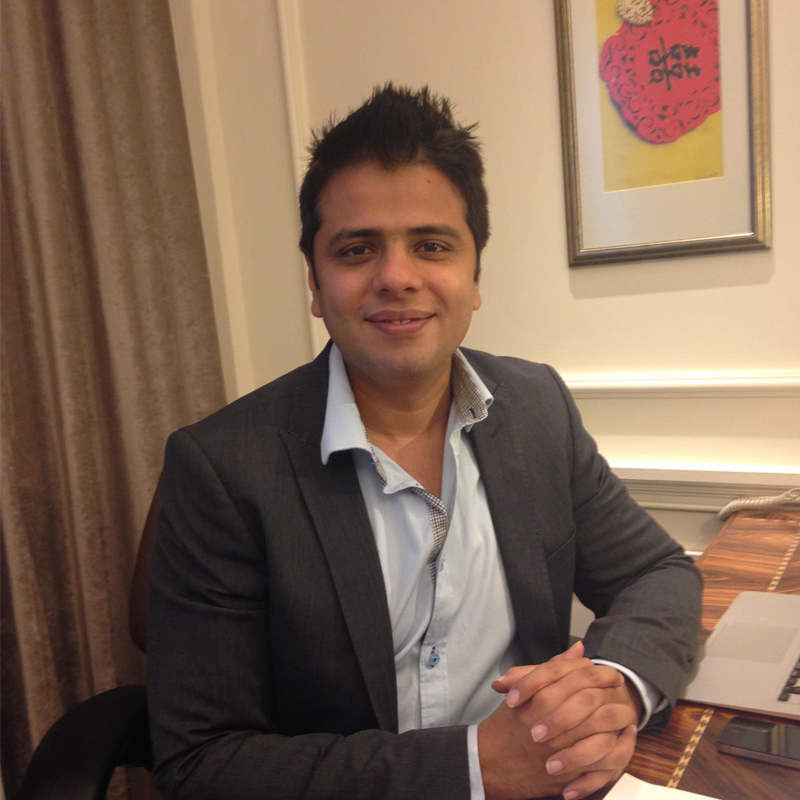
Breaking the concept down for the layman, Isobar India MD Shamsuddin Jasani AKA Shams explained, “Currently music lovers are consuming most of their music on the Gaanas and Saavns of the world as opposed to traditional radio channels. With the new tool that we are launching we are able to marry the data that we acquire from these digital players and target consumers.This will allow advertisers to programmatically buy audience targeted digital radio units based on the consumer’s’ music listening behaviour. Basically radio commercials that are targeted at digital music consumers.”
AMNET India business head Salil Shanker said, “At AMNET, we believe in extracting the full potential of our brand offerings by using AMNET Audience Centre to profile new customers, deliver unique messaging to brand loyalists, and connect audiences across channel beats they fall into – i.e. Search, Video, Social and Native. Many brands fail to connect with relevant audiences, who consume audio content on the go (on digital radio).We have managed to bridge this gap by introducing the first ever programmatic digital radio in India. Our recent associations with brands like Microsoft, DS Group and JK Tyres have identified the potential of digital radio like never before and adopted this new-age technology.”
Similar to how two way communication through digitally addressable system (DAS) on television allows advertisers to run different ads targeted at different audience parallely, programmatic buying of radio units will let advertisers place user specific different communications all playing at the same time.
“We are creating different profiles for users to be categorised in based on the different campaigns. It’s not like one profile fits all consumers. We are able to target different profiles of consumers with different ad sports at different points in their purchase journey for a particular advertiser. For example at one time 30 different 15 second-er audio spots can run on one of these on demand music players.” Not to mention, being audio, the ad spots are lighter on the advertiser’s pocket as well.
There are several perks to using audio as a medium of communication for brands. Apart from targeted messaging that saves brands from spraying and praying, and prevents wastage of precious advertising budget, tapping into a whole new market is another advantage that the new tool offers advertisers. “Most of the users who have switched to digital to listen to music are not paid users. In turn they are okay with listeing to advertisements as long as they have access to the huge music libraries players such as Saavan and Gaana.com have to offer.”
Currently digital agency already has three major clients onboard with the new initiative namely – -DS Group, Microsoft and JK Tyres.Claiming it to be the first of its kind in Asia Pacific, the agency also hopes to get 50 to 60 clients using the service by the end of this financial year.
Lauding the new initiative Microsoft India CMO Jyotsna Makkar shared her views saying, “We always look for innovative ways to cut-through and are happy to be amongst the first marketers to explore the potential of this format.”
“Again,” Jasani highlights, “audio consumes less data and therefore consumers seamlessly consume the content.”
When pointed out that only handful of such digital audio platforms are available to advertisers in India, Jasani assured that by the end of this financial year Isobar has plans allow access to ‘ 45 such apps, both Indian and global’ to its clients.
Jasani is also optimistic that this new aspect of digital audio ads will push the envelope of digital ad spends within the country. “It’s only a matter of time before advertisers take better notice as the majority of consumers have already shifted to digital, especially when it comes to music. And it’s only going to grow as the data price becomes cheaper and cheaper in the next few months. What holds them back is a proper mechanism that will allow them to systematically use to power of digital in their campaigns and that is exactly what programmatic radio buying will allow them,” Jasani signed off.