Cable TV
What’s troubling HITS man Tony D’Silva?

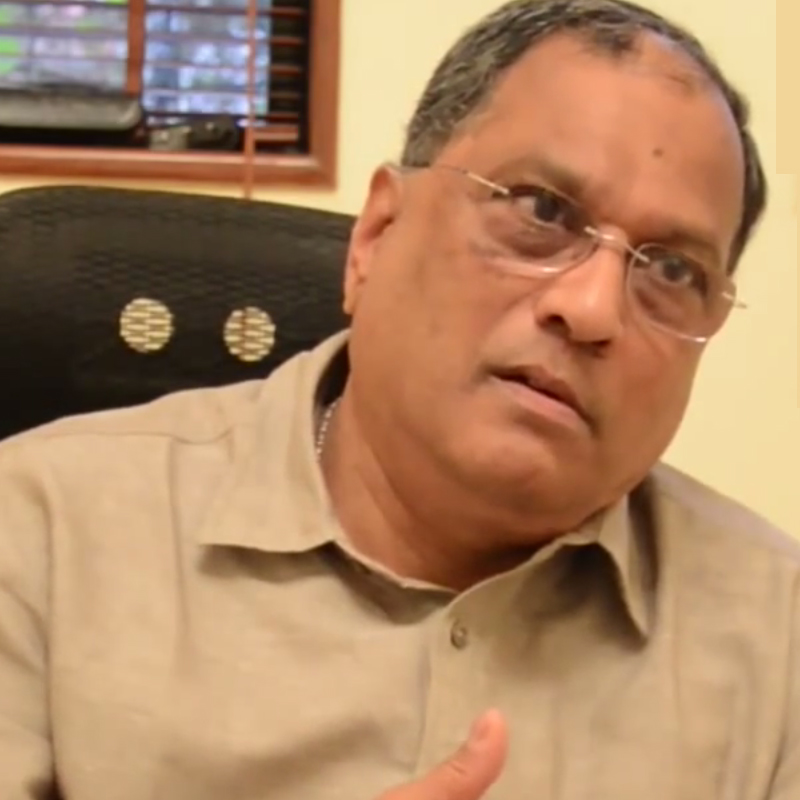
MUMBAI: When the Hindujas announced their intentions to set up their Headend in the sky (HITS) platform to service cable dark phase III and phase IV– years ago, the project’s head – cable TV veteran Tony D’Silva – was highly excited. HITS would allow the company – Grant Investrade Ltd (GIL) – to beam out the 800 or so Indian TV channels to homes in towns and villages where setting up new or upgrading to expensive digital head ends was not viable or feasible.
There were regulatory hurdles initially but the venture finally got off the ground last year much in advance of the DAS Phase III deadline of 31 December 2015. Tony went around marketing the project with great gusto, reaching out to cable ops in the hinterlands, got the Hindujas, the owners, to invest.
There was interest from cable operators in almost all the areas that the product was demonstrated. The project looked very much viable as it gave cable operators a steady source of income without having to invest much in hardware and just servicing their existing subscribers.

Then came the spate of cases in the courts of various states, and Phase III came to a grinding halt (it is now pending the decision from the Delhi high court which is expected in the next week). Analogue signals were not switched off in many parts of the country and Tony was in a bit of a fix. As are many other chieftains in MSOs like DEN and Hathway, which have reported very bloodied and battered results in Q1 2017.
And Tony is a troubled man. Not just for that reason. He says he expects the court to rule justly in favour of digitization of the cable TV sector. However, he is not clear how many more court cases will be filed to stymie Phase III and Phase IV.
Tony’s woes are mainly because he has been unable to strike viable content deals with some broadcasters.
“It’s very unfair,” he states. “Some of the major broadcasters are asking the digital package price from me, but they continue to be okay with analogue pricing from cable operators in the very same phase III areas. How will I be able to offer them a digital package price to them when they are getting the same channels at analogue rates? Why will cable operators accept my superior quality digital offering? Why will an MSO and LCO agree to pay for digital services when they are also paying for analogue- that is double the price. These are questions broadcasters need to understand.”
Another point that Tony would like to make is that broadcasters had refrained from charging any special digital rates in phase I and II areas until the cutoff dates. “We are a pure digital platform; but we are looking at serving in the now-analogue areas more,” he says.
Tony would like to make an appeal to broadcasters and the regulator to stop charging digital package rates from him and analogue package rates from cable ops. “We are the new kid on the block and we are really aiding the spread of cable TV digitization in very difficult to reach areas of the country. I would beseech the community to give us a fair content deal at analogue rates until the analogue switch off commences. We are very open to pay digital rates once digital is switched on.”
He goes on to point out that HITS is definitely going to help the pay TV broadcast sector get revenues in their coffers which are hitherto difficult-to-access as digitization gains in strength. “But allow us to run a feasible business first,” he says.
Hopefully, broadcasters and the regulators will see reason in his plea.
Meanwhile, the HITs platform is continuing with its game plan of merging GIL with IMCL – the hitherto cable TV MSO arm of the group. The company has informed the ministry of information & broadcasting about its merger intentions and has also approached the High court about the same.
Then, over the past year or so, IMCL or Incable, has shut down or exited or bought joint ventures MSO headends where they had very little control over the operations. “We are down to about two and a half million paying cable TV customers and most of them are on a wholesale pre-paid model, so we are doing fine there,” says Tony. “The next few months are going to be very crucial. I am hopeful of things getting better,” he adds with a note of optimism.