News Broadcasting
Media ought to regulate itself, says Punjab Guv


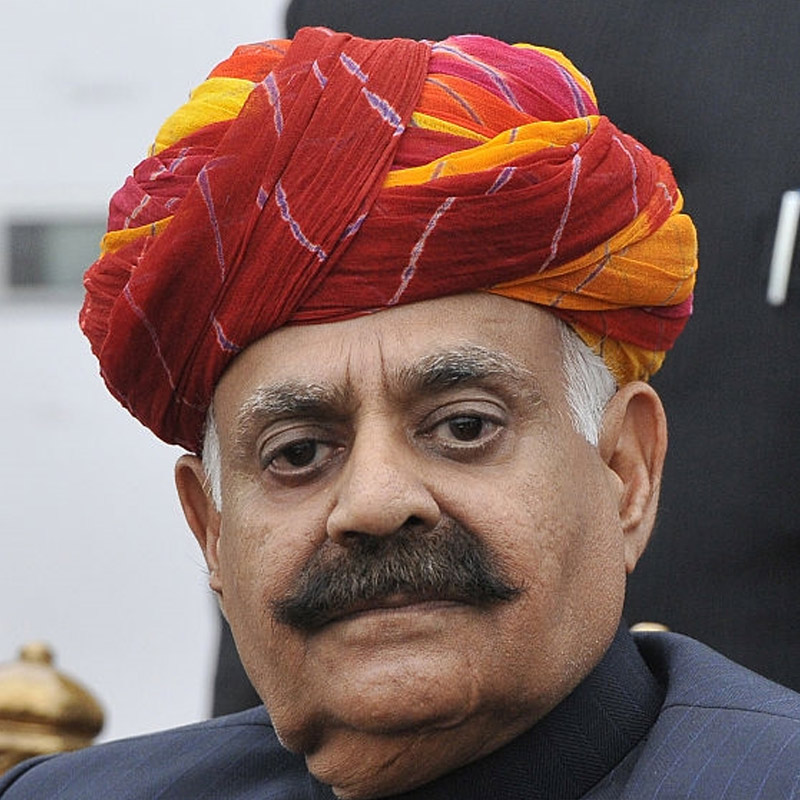
NEW DELHI: Punjab Governor and Administrator of Chandigarh V P Singh Badnore today said that the media should develop a self-regulatory mechanism to present to the government a true picture of the issues concerning people as this would help in finding solutions.
Addressing the Regional Editors’ Conference in Chandigarh, the Governor cited some incidents of paid news, and said the media should come forward to check this menace. He invited public suggestions to improve the infrastructure and public conveniences in Chandigarh.
Organiser Press Information Bureau’s director general (media and communications) A P Frank Naronha said the Government considers media as an important stakeholder in its agenda of development. “The media has an onerous responsibility as both a facilitator and a watchdog to ensure that the fruits of development are reaching the deserving,” he said. He added the media, especially the regional media, could play an important role in this venture.
During the inaugural session, home minister Rajnath Singh and member of Parliament Kirron Kher were also present.
Naronha said the Regional Editors Conference had been organized with an objective to provide an opportunity to the editors of the regional press to interact directly with ministers on crucial issues concerning their respective ministries. While the participants would get to know the relevant context and deeper background behind a particular initiative, programmes and policies, it would also help the policy makers in getting the feedback from the media which could be useful for improvement, he said.
Highlighting the role of PIB, Naronha said that, besides traditional modes of communication, PIB was also reaching the regional press and public through social media in big way to make them aware of government programmes.
In the two-day conference, six central Ministries – Home, Women & Child Development, Road Transport & Highways, Consumer Affairs & Public Distribution, Agriculture & Farmers’ Welfare, and Development for North East region are participating. Ministers would preside over the respective sessions, and address the editors about policy issues and initiatives.
In the conference, editors from the states of Jammu & Kashmir, Punjab, Haryana, Himachal Pradesh, Uttrakhand, Uttar Pradesh, Assam, Meghalaya, Tripura, Manipur, Mizoram and Chandigarh are taking part.
This is the third Regional Editors’ Conference being organized by PIB during this calendar year. The earlier Regional Editors’ Conferences this year were held in Jaipur and Chennai.
The PIB also reaches out to the regional media through its regional and branch offices and through special initiatives like press tours and ‘Vartalap’ or Rural Media Workshop at the district level.





