MAM
Expert-speak on advertising in times of mobile-first consumers

MUMBAI: With Indian government’s demonetisation of high-value currency notes in its second fortnight, there couldn’t have been a better time to discuss how mobile is moving businesses and whether the reality of a cashless economy is still a far-fetched theory.
In an effort to cash in on the latest buzz words — ‘financial inclusion, ‘digital business’, ‘internet penetration’, ‘digital advertising’, etc. — Facebook recently hosted Mobile Moves Business, an industry event in Mumbai that was designed to bring together businesses, industry experts and marketers to help engage with today’s mobile-first consumers in India.
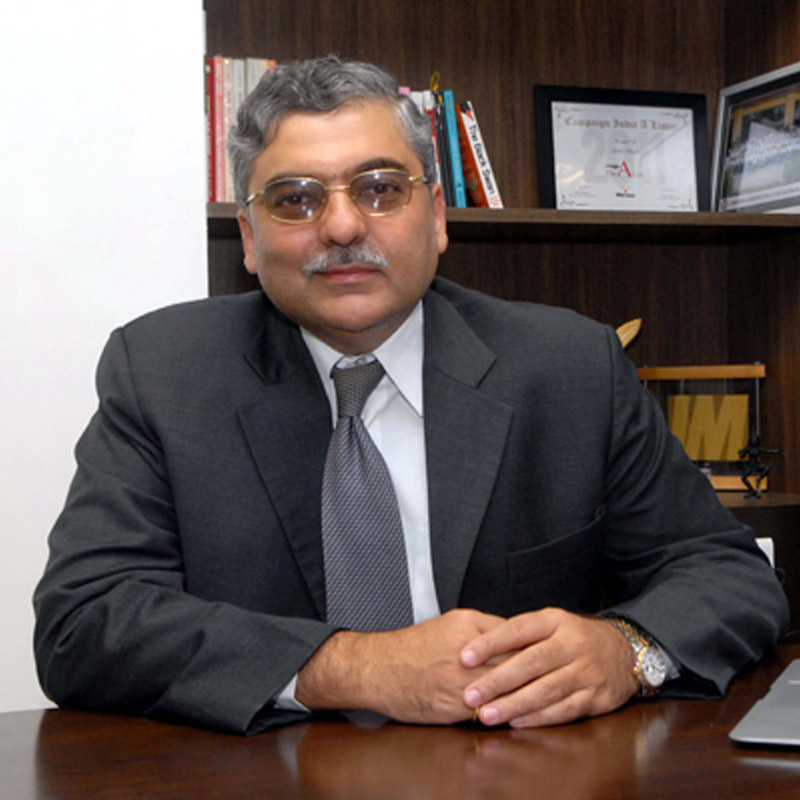
Making a bold and future-facing statement, Dentsu Aegis Network South Asia Chairman Ashish Bhasin made it clear that the foundations of present day media planning, which depends primarily on frequencies of views, will be shaken as the lines between mediums start to blur.

“We make a plan based on an assumption of an X number of times it (a campaign) is viewed on television, but we need to start considering that the same communication may be seen in an another format on an another platform several more number of times,” pointed out Bhasin, adding most market studies predicting digital ad ex to reach 40 per cent of the total pie will be proven wrong. “Digital will command 80 to 100 per cent of the total pie, I feel. Of course, the way we classify digital advertising will also change…TV, radio and even print will all become digital,” he said.
Along with him on the panel discussing matters digital were Facebook India MD Umang Bedi, Vodafone India marketing SVP Sidharth Banerjee and Snapdeal marketing VP Kanika Kalra.
Banerjee, who seconded Bhasin’s statement, was of the opinion that India, just like China, will soon reach an inflexion point in smart-phone penetration when that number reached one-third of the total phones in the market.
“I can see that happening in the next 18 months or so. Getting the communication in mobile right will be the main issue then. What advertisers keep getting wrong is treating mobile (devices) like a separate medium to advertise on,” he said.
Pointing out that advertisers shouldn’t forget the many India’s within India, Banerjee said, “While we ready ourselves for the digital and cashless India armed with smart-phones, we mustn’t forget about a part of India where features phones will still play an important role and marketers shouldn’t exclude them from their plans.”
But smart tech and devices also bring along newer problems and challenges. Ad blocking, for example. The high rate of ad blocking in India was also addressed by the panel.
“As the digital advertising market becomes more mature, the issue of privacy will only become more acute. I believe the way ahead is opt-ins. Let’s face it, users don’t pay for advertisements, so ads will always remain (like) an intrusion, “Bhasin highlighted a valid point, adding, “Going forward, consumers will have a choice to allow certain advertisers to communicate with them. So we marketers need to collectively respect the consumer’s choice. Sooner or later we will have laws concerning it and it is better to prepare for it with best practices in place.”
Clarifying FB’s position on ad blocking, Bedi said that FB respected its users’ privacy and ensures only relevant sponsored ads reach users. “It isn’t bad but actually good for business as brands can seek out only those consumers who are interested in their communications, leading to higher fulfilment of purchase cycle instead of spraying and praying,” Bedi replied, when asked if the social media giant loses businesses due to ad blocking.






MAM
Sameer Nair shares heartfelt note as he exits Applause Entertainment
After nine years building the streamer’s content engine, one of India’s best-known TV men is moving on
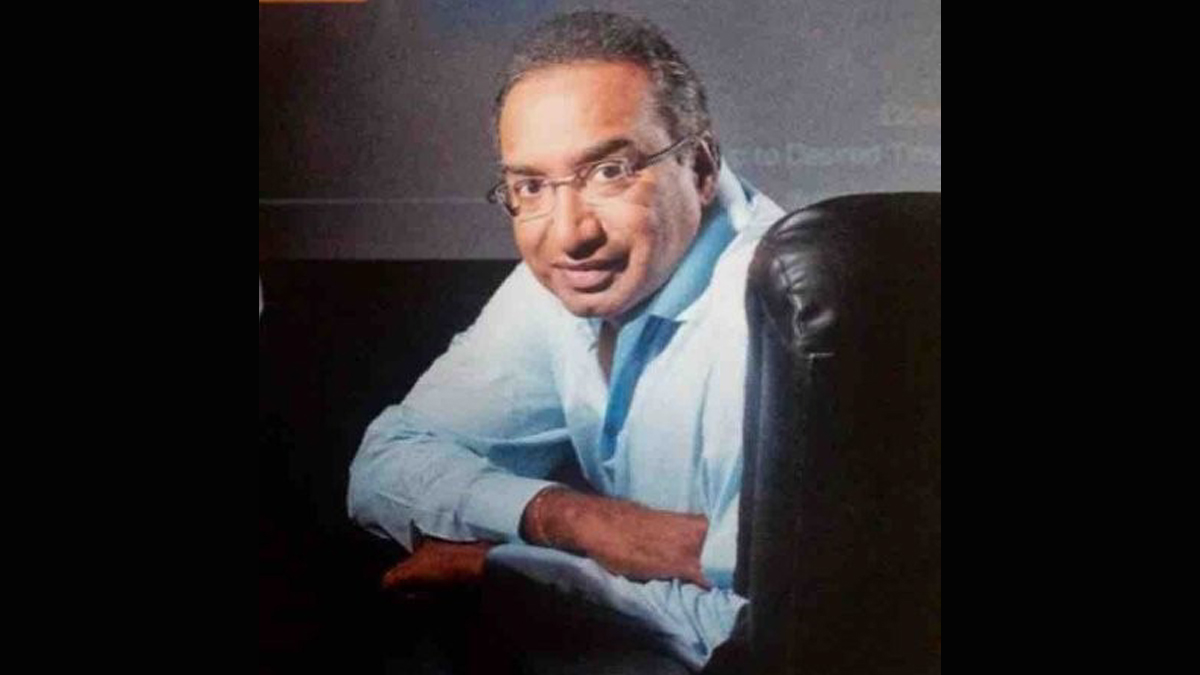
MUMBAI: Sameer Nair is out. The chief executive of Applause Entertainment, the content studio backed by Kumar Mangalam Birla’s media empire, has announced his departure after nearly nine years at the helm, closing the chapter on one of Indian entertainment’s more quietly consequential careers.
Nair, who built Applause from the ground up in its current avatar, oversaw a slate that spanned Indian originals and international adaptations, threading together a hub-and-spoke business model that partnered with streaming platforms, broadcasters and production houses alike. The results were uneven, as they always are in content, but the ambition was not.
In a post on LinkedIn, Nair was generous to his outgoing patron. He thanked Birla for being an “inspirational boss and a great patron of the arts,” and signed off with a cheerful “Au Revoir” and a promise to remain Applause’s biggest cheerleader. Whether that sentiment survives the next chapter remains to be seen.
No successor has been named. Applause Entertainment did not immediately comment.
Nair built the machine. Now someone else has to run it — and in a streaming market that is simultaneously consolidating and convulsing, that is no small ask.