Applications
IoT conversations will promote interoperability: NASSCOM, Georgia Tech tie up

NEW DELHI: The National Association of Software and Services Companies (NASSCOM) and the Georgia Tech Advanced Research Corporation (GTARC) joined to advance Internet of Things (IoT) and fostering IoT-based innovation through the development of a conducive ecosystem in India.
The partnership will also help drive conversations around IoT that will promote interoperability across industry and geographic markets. Both the COE-IoT and the GTARC will also get the opportunity to showcase their individual efforts to raise awareness on the subject.
An MoU between the two provides for both NASSCOM and GTARC cooperating to address technological and non-technological challenges that surround the adoption of IoT technologies, creating an amiable environment for all organizations in the industry.

The agreement between NASSCOM’s Center of Excellence on the Internet of Things (COE-IoT) based out of Bangalore and GTARC’s Centre for the Development and Application of Internet of Things Technologies (CDAIT) will see both organizations combine their individual efforts to raise awareness on IoT and drive topic related events for the purpose of developing a vibrant global IoT ecosystem facilitating the effective and efficient adoption of IoT technologies.
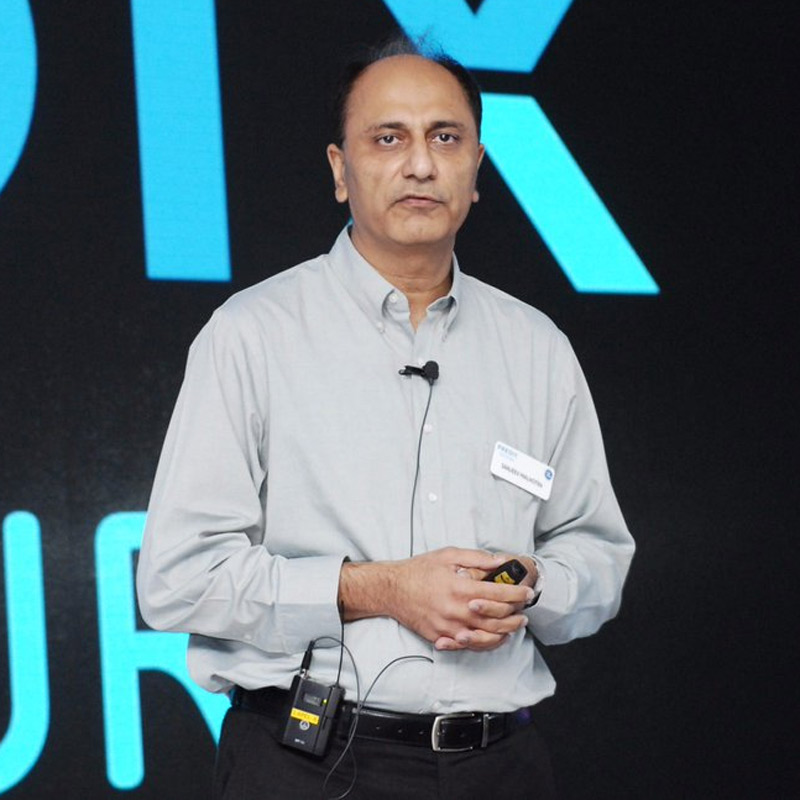
NASSCOM COE-IoT CEO Sanjeev Malhotra said: “The disruptive nature of IoT will have a major impact in all areas of the consumer’s life – across all industries including industrial, healthcare, agriculture and smart homes. IoT will also be used across these industries to improve productivity with minimum usage of natural resources. We are happy to be partnering with GTARC, a leading institute with a focus on emerging technologies, leading to a mutually beneficial agreement that will help us combine GTARC’s advanced technology research along with the thriving innovation ecosystem in India.”
Centre for the Development and Application of Internet-of-Things Technologies (CDAIT), GTARC, MD Alain Louchez said: “In close cooperation with NASSCOM’s IoT center, we intend to explore ways to leverage IoT technologies to accelerate and optimize the pace of digital transformation throughout the economy.”
Through its COE-IoT located in Bangalore, NASSCOM is focusing on systemically expanding the technology ecosystem, with the Center providing a platform to address challenges such as the lack of understanding that leads to low adoption levels and security issues faced by the industry. The CoE – IoT is a joint initiative between the Department of Electronics and Information Technology (DEITY), Education and Research Network (ERNET) and NASSCOM and features laboratory that provides IoT focused startups the usage of various facilities that help them develop IoT solutions in application areas like Agriculture, Automobile, Telecom, Healthcare and Consumer IoT.