People
Times Now ropes in Zakka Jacob as managing editor; Navika Kumar to take up consulting editor role
Senior newsroom reshuffle sees Jacob exit News18; Kumar steps into expanded editorial leadership role

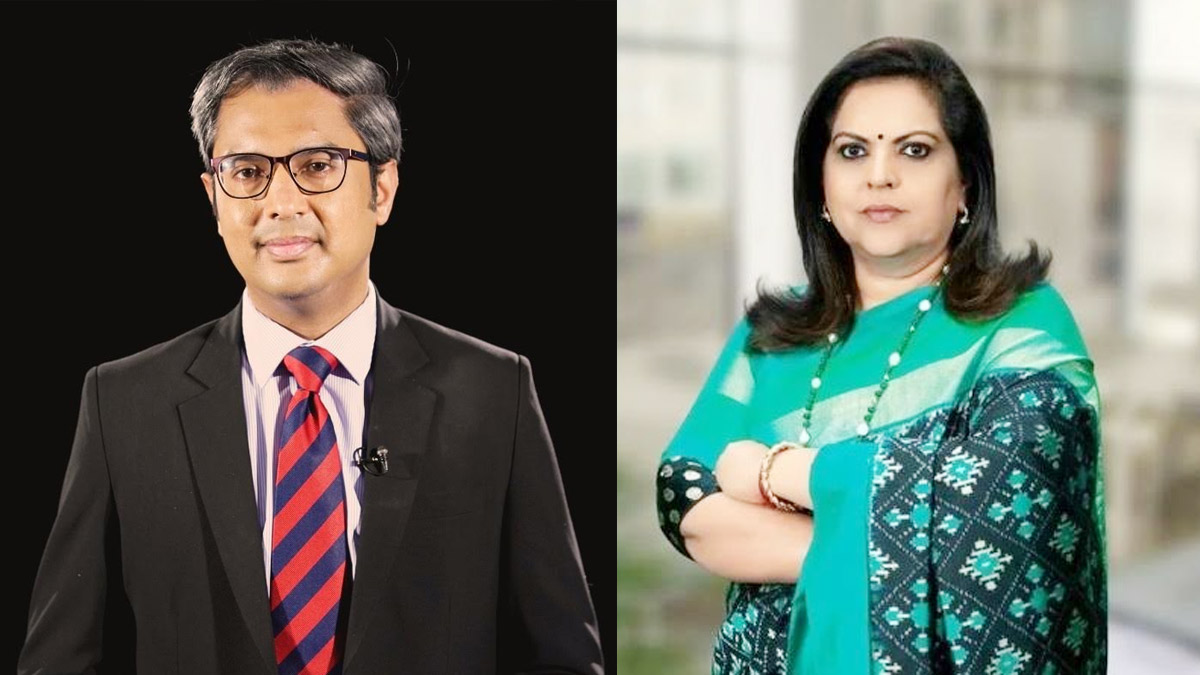
NEW DELHI: In a high-profile newsroom reshuffle, Zakka Jacob is set to move from News18 to Times Now as managing editor, according to media reports. He is expected to assume the new role in April, marking a fresh chapter in a career that has long straddled the studio floor and the global affairs beat.
At CNN-News18, Jacob most recently served as senior anchor and group foreign affairs editor, a role he took up in December 2015. Over the years, he became a familiar face for viewers tracking international flashpoints and diplomatic crosscurrents. He had earlier served as managing editor at the channel before choosing to focus more closely on hands-on journalism and anchoring.
His move to Times Now signals a return to executive leadership, this time at a network known for its combative prime-time presence and political edge.

Meanwhile, Navika Kumar will step into the role of consulting editor. A seasoned political journalist and one of the prominent faces of Times Now, Kumar is known for her sharp interviews and high-voltage election coverage. Her elevation formalises a leadership position she has long appeared to occupy on screen.
Jacob’s career spans more than a decade across editorial and anchoring roles. He has served as managing editor and output editor at CNN-News18, and earlier worked as senior anchor at China Central Television. An engineering graduate from the University of Madras, he brings a methodical mind to the often chaotic theatre of television news.
With April on the horizon, the move sets the stage for a new newsroom equation, and perhaps a new tone at the top. In the world of television news, the faces may be familiar, but the script is always being rewritten.






People
BBC appoints Matt Brittin as 18th Director-General
Former Google EMEA president to lead broadcaster from May amid global change
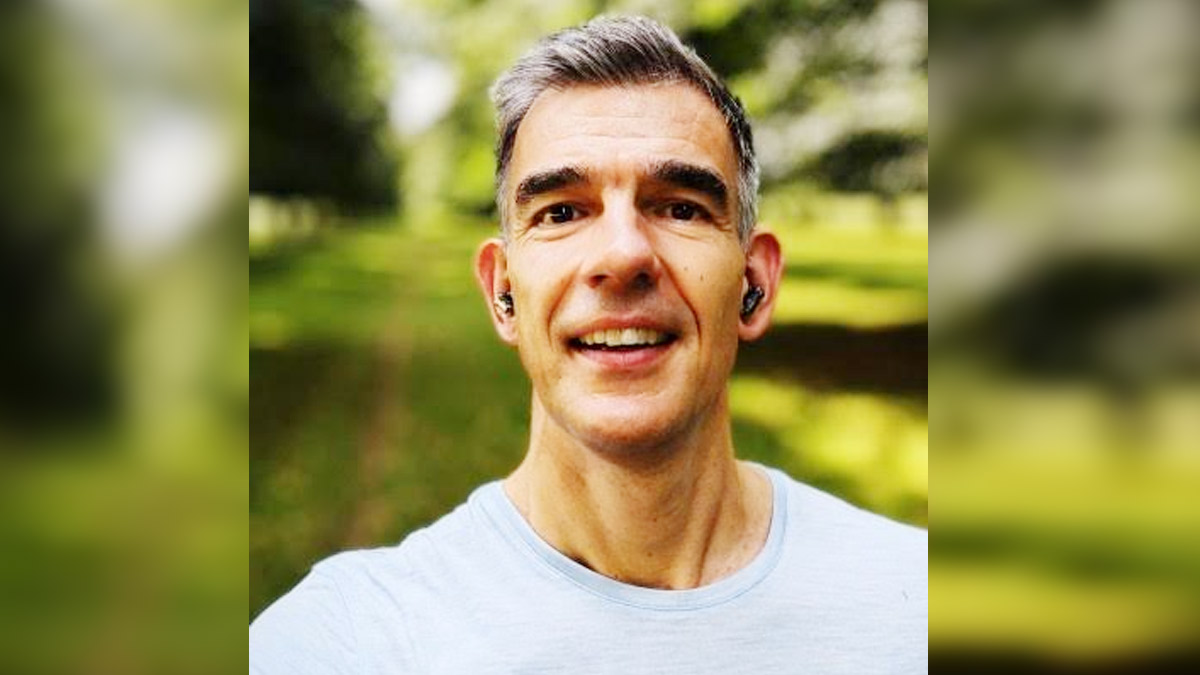
LONDON: The BBC has named Matt Brittin as its 18th Director-General, placing a seasoned technology and media leader at the helm of one of the world’s most influential public broadcasters. He will formally assume the role on 18 May.
Brittin steps into the position after a brief “gap year”, as he described it, returning to the spotlight with a job that, in his own words, was “probably not one either you or I were expecting”. The appointment signals a strategic tilt towards digital expertise at a time when traditional broadcasting continues to evolve at pace.
The new Director-General brings more than 18 years of experience from Google, where he held several senior roles, including President for Europe, the Middle East and Africa. During his tenure, he played a central role in expanding the company’s footprint across Europe and shaping its regional strategy.
More recently, Brittin served as Senior Independent Director at The Guardian, adding boardroom insight from one of Britain’s leading news organisations. His career also spans roles at McKinsey, Trinity Mirror and Sainsbury’s, giving him a broad perspective across media, retail and strategy.
The Director-General position carries dual responsibility as chief executive officer and editor-in-chief, overseeing the BBC’s creative, editorial and operational direction both in the UK and globally. It is a role that demands not just leadership, but a steady editorial compass in an increasingly complex media landscape.
“Now, more than ever, we need a thriving BBC that works for everyone in a complex, uncertain and fast changing world,” Brittin said. He added that the broadcaster remains “an extraordinary, uniquely British asset” with a legacy of innovation in storytelling and technology.
His appointment comes at a moment when public service broadcasters are under pressure to balance tradition with transformation, navigating shifting audience habits, digital disruption and funding debates. Brittin’s blend of Silicon Valley scale and British media sensibility may prove timely.
With “big challenges and big opportunities” ahead, Brittin appears ready to get started. The real test begins in May, when he moves from anticipation to action at Broadcasting House.






