Executive Dossier
“The Indian market offers a double opportunity for us”


Jonathan Howlett, global director of airtime sales of BBC World, is no stranger to India. He has come to the sub-continent often and is a keen observer of things, issues and trends. So much so that this time round when he was in India, with one of his stopovers in Delhi, Howlett pointed out that the Capital’s air smells cleaner compared to his early visits (the Supreme Court which has been at loggerheads with the Delhi government and transporters over phasing out old fume belching vehicles from the Delhi roads and go increasingly for CNG-driven public utility vehicles like buses and auto-rickshaws can sit back and smile now, probably).
Howlett, who joined BBC World in 1994 from the UK-based Carlton Communications (his posting was in Delhi in the early 1990s), not only sniffs out the cleaner air, but also business opportunities that India presents being in a unique position of having an economy which despite the global meltdown has been “comparatively less effected.”
A former director of sales also at Meridian Broadcasting, having spent his career within ITV sales, the seemingly 40-something Howlett, unlike some of his counterparts in other global media companies, is a soft-spoken and low profile man. Getting information out of him for a journalist looking for a ‘good copy’ is as hard as coming out of an interview on Hardtalk unscathed.

Still, braving the odds, indiantelevision.com’s Anjan Mitra tries to fork out information on BBC World’s new strategies for South Asia, specially India, and other issues in this recent interview with Howlett at the poolside of the Hyatt Regency in Delhi even as the BBC World’s PR people hover round to ensure that nothing too sensitive gets out .
|
|||||||||||||||||||||||||||||||||





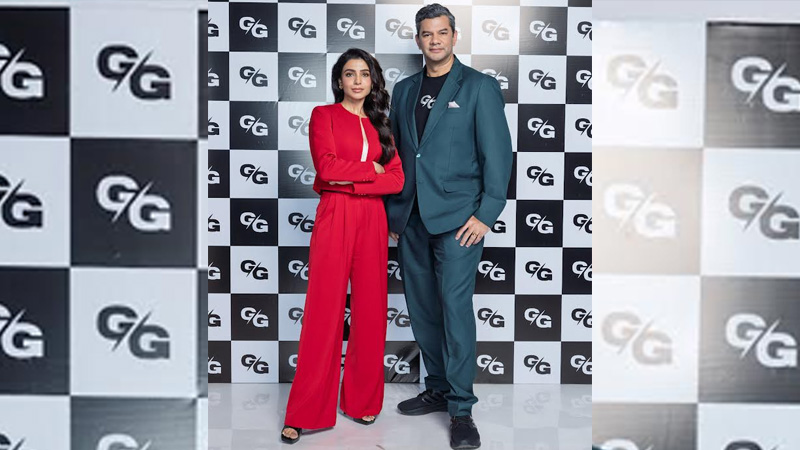
MUMBAI: Game faces on, pressure high India’s gaming ambitions are levelling up. Good Game, billed as the world’s first as-live global gaming reality show, has officially launched in India with a bold mission: to crown the country’s first Global Gaming Superstar.
Blending esports with mainstream entertainment, the show brings together competitive gaming, creativity and on-camera performance in a format that tests more than just joystick skills. Contestants will be judged on gameplay, screen presence and their ability to perform under pressure, reflecting how gaming has evolved from pastime to profession and pop culture currency.
Fronting the show are three high-profile ambassadors: actor and entrepreneur Samantha Ruth Prabhu, Indian cricket star Rishabh Pant, and gaming creator Ujjwal Chaurasia. The winner will take home Rs 1 crore ($100,000) among the largest prize pools for any Indian reality show along with the chance to represent India on a global stage.
Backed by a planned annual investment of up to Rs 100 crore, Good Game is also courting brand partners, promising a minimum reach of 500 million among India’s core youth audience. The creators position the show as a bridge between entertainment and interactive culture, offering long-format content, community engagement and commercial scale.
Auditions are now open to Indian citizens aged 18 and above, inviting amateur and professional gamers, creators and performers alike. Shortlisted candidates will be called for in-person auditions in Mumbai on 14 and 15 February, and in Delhi on 28 February and 1 March 2026.
With big money, big names and even bigger ambition, Good Game signals a shift in how India views gaming not just as play, but as performance, profession and prime-time spectacle.






