MAM
TV commercials dying a natural death in Germany: Mercer study

BONN: Television commercials will soon be a thing of the past and are going the way of dinosaurs, according to a new study in Germany. Mercer Management Consulting Agency has urged TV network executives to start planning for the “post-commercial age” of broadcasting.
The study adds that the new creeping revolution will comprise of commercial-free premium subscription channels, pay-per-view events, tele-shopping and interactive services. Networks with more innovative “viewer-interactive” programming will be better placed in the near future.
The alarming study asserts that declining commercial revenues in Europe can only partially be blamed on the continent’s sluggish economy. The study adds that the digital revolution will pave the way for a whole new series of home equipment which will enable viewers to avoid ever having to see another commercial again. Networks which persist in airing commercials will be airing them to nobody — a fact which will cause advertisers to turn to other media.

The study also predicts that commercial revenues will likely be back up to levels last seen in 2001 by the year 2006. But, by that time, advertising dollars will be shifting away from the traditional TV commercial spot, says the Mercer study.
The study’s findings are pertinent in Germany, where a veritable broadcast explosion has taken place – similar to the one which happened in India a decade back.
Two decades ago, the average west German household received just three channels — all three of them fee-supported public broadcasters. East Germany had two state-operated TV channels and no commercials.
The public channels were restricted to 20 minutes of pre-primetime commercial advertising on weekdays. No advertising was permitted on Sundays or holidays.
But now the media revolution has ensured that the average German household has access to scores of channels, most of them commercial networks free to air advertising 24 hours a day, seven days a week. More than 20 national commercial networks alone at last count are available via rooftop antenna, cable and satellite dish throughout the land. This scenario has led to intense competition for every single dollar spent on advertising.
German national TV advertising revenues peaked in 2001 at US$18 billion, and have been edging downward every year since then, down US$3 billion so far. Mercer’s analysts say that, of the US$3 billion that have vanished from the TV advertising market in the past three years, two-thirds of that sum found its way into other advertising avenues. Only a billion was actually due to the economic downturn.
The Mercer study also says that a whopping 82 per cent of viewers look forward to the day when they can own a DVD recorder which will allow them to “skip over” commercial breaks at the press of a button. And 57 per cent would even be willing to subscribe to a service which would enable them to black out or skip over commercial blocks.
“Viewers want comfort, control and individualized programming,” says the study which warns, “and commercial networks will either meet those wishes or else they will go under.”
Are the Indian broadcasters listening?







MAM
PwC India announces leadership change in Deals practice
Shashank Jain steps down as co-leader after nearly three decades with the firm.
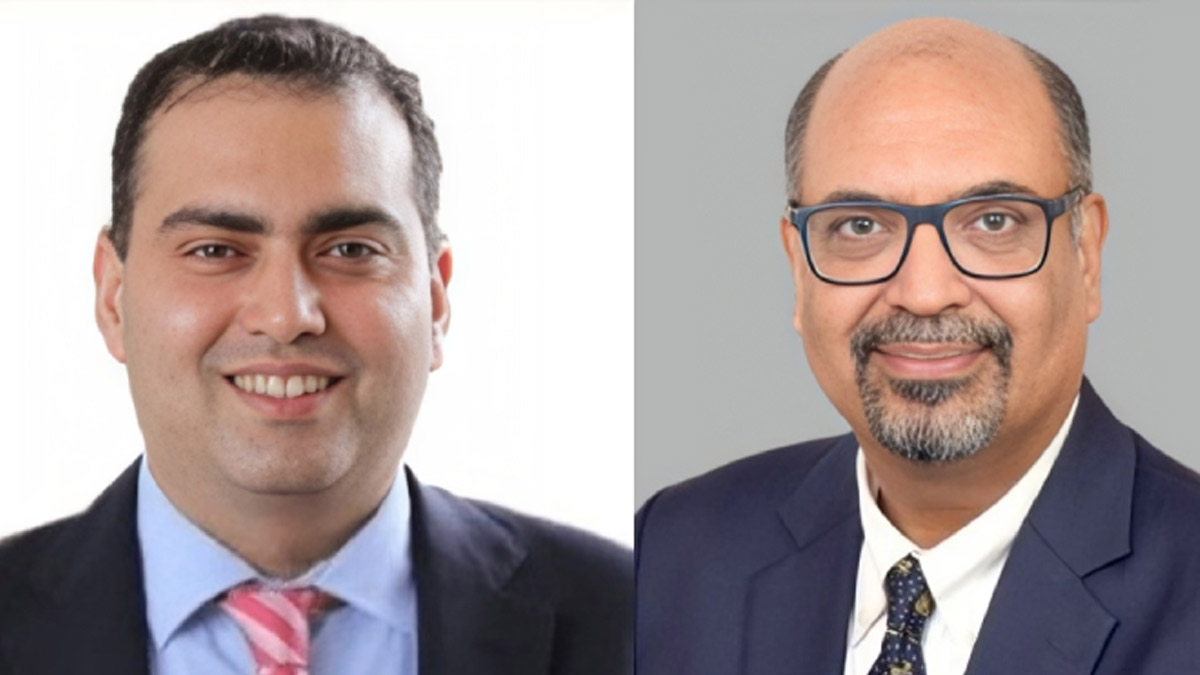
MUMBAI: When one dealmaker steps off the pitch, another is ready to take the baton because in the fast-moving world of transactions, the game never really stops. PwC India has announced a leadership transition in its Deals practice, with Shashank Jain stepping down from his role as co-leader to pursue an opportunity in the industry. The practice will continue to be led by Mohit Chopra, ensuring continuity and sustained growth momentum.
PwC India partner and leader for advisory dinesh Arora paid tribute to Jain’s contributions. “We deeply appreciate the significant contributions made by Shashank over close to three decades he has spent with PwC, particularly his defining role in shaping and strengthening our Transaction Services practice in India,” he said. Arora highlighted Jain’s support for clients through some of the most complex and significant transactions in the Indian market, noting his deep technical expertise, sound judgment and nuanced understanding of the evolving M&A landscape.
The Deals practice remains a key growth driver for PwC India, and the firm expects continued expansion under Mohit Chopra’s leadership. He will continue to guide clients through complex transactions and transformational business moments, building on the strong foundation established over the years.
Reflecting on his journey, Shashank Jain said, “I have had an exceptional journey at PwC. I owe my growth and learning to the nurturing environment and leadership development that PwC provided.” He added that he had been working closely with Mohit and the larger team to ensure a smooth transition and expressed confidence that Chopra would take the Deals practice to newer heights.
From intern to respected deals leader, Shashank Jain has clearly closed many successful transactions and now, it seems, he’s ready to strike a new deal of his own.