Research
New age of TV viewing: Do you trust your friends or followers?


MUMBAI: With 115.6 million television viewing homes in the US, watching a favorite program is nothing like it used to be. In the world of social media and mobile devices, people don’t huddle around one television set at night and discuss their favorite TV moments over the water cooler at the office the next day in the same way anymore.
Individuals are tuning-in with a “second screen,” like an iPad or laptop computer, and are interacting in new ways with TV. With social media, a television program can get positive or negative feedback from a viewer almost instantaneously. Given this growing trend, one would think social media is dominating the battle for TV viewership.

But, surprisingly, social media does not rule the tube and old-fashioned word-of-mouth, or “water cooler conversation,” still holds more influence over viewers, according to new research from Simon Business School at the University of Rochester titled, “Talking Social TV 2.”
While social media, especially Twitter, can benefit a television show in real-time, offline word-of-mouth is more influential to get a new viewer to watch a new program, thus increasing a show’s ratings.
Simon Business School associate professor of marketing Mitchell Lovett and The Jerusalem School of Business Administration associate professor of marketing Renana Peres conducted the original study in 2012 and built on their original findings with this latest installment. This research comes out of a collaboration between Lovett and Peres as the academic research team, the Keller Fay Group, a marketing research company specializing in word-of-mouth research, and the Council for Research Excellence, a body of senior-level research professionals in the media and advertising industry. The research examines the likelihood a viewer would tune in to a program after receiving a message about the show via word-of-mouth, promotions, social media, or SMS/text message.
“Our research, which included a major data integration effort, shows that television viewing is influenced by all types of communication, whether it’s social media, offline word-of-mouth, or a text message,” said Lovett.
Results show that for repeaters (individuals who watch the same program regularly) and infrequents (individuals who do not view the same show regularly) offline word-of-mouth is the strongest form of communication that influences their television viewing. For infrequents, social media communications are actually more influential than promotions for shows, whereas for repeaters the opposite is true.
This new study comprised 1,665 respondents between the ages of 15 to 54, who used a mobile app to report any time they saw, heard, or communicated something about primetime television shows over the course of 21 or more days. This data set contains 78,310 diary entries for approximately 1,596 shows from September 2013 through October 2013.
Researchers took into account the potential effect of all forms of communications on different types of programs, whether network or cable, new or returning. According to their model, they predicted that reach-focused word-of-mouth would raise ratings for returning shows like The Voice, as well as new shows like Brooklyn Nine-Nine.







MUMBAI: Food and travel are officially the ultimate power couple.
As National Tourism Day approaches, the Godrej Food Trends Report 2024 has spotlighted culinary tourism as the driving force behind a revolution in Indian travel. No longer a side dish to the main event, food has claimed centre stage, transforming vacations into unforgettable, flavour-filled journeys.
In 2024, Indians travelled more frequently and for longer durations, with vacation spending surging nearly 25 per cent. A significant chunk of this increase was fuelled by travellers seeking unique and immersive culinary experiences that connected them to local cultures. Whether exploring bustling spice markets or learning time-honoured recipes from community experts, food became the heartbeat of modern Indian vacations.
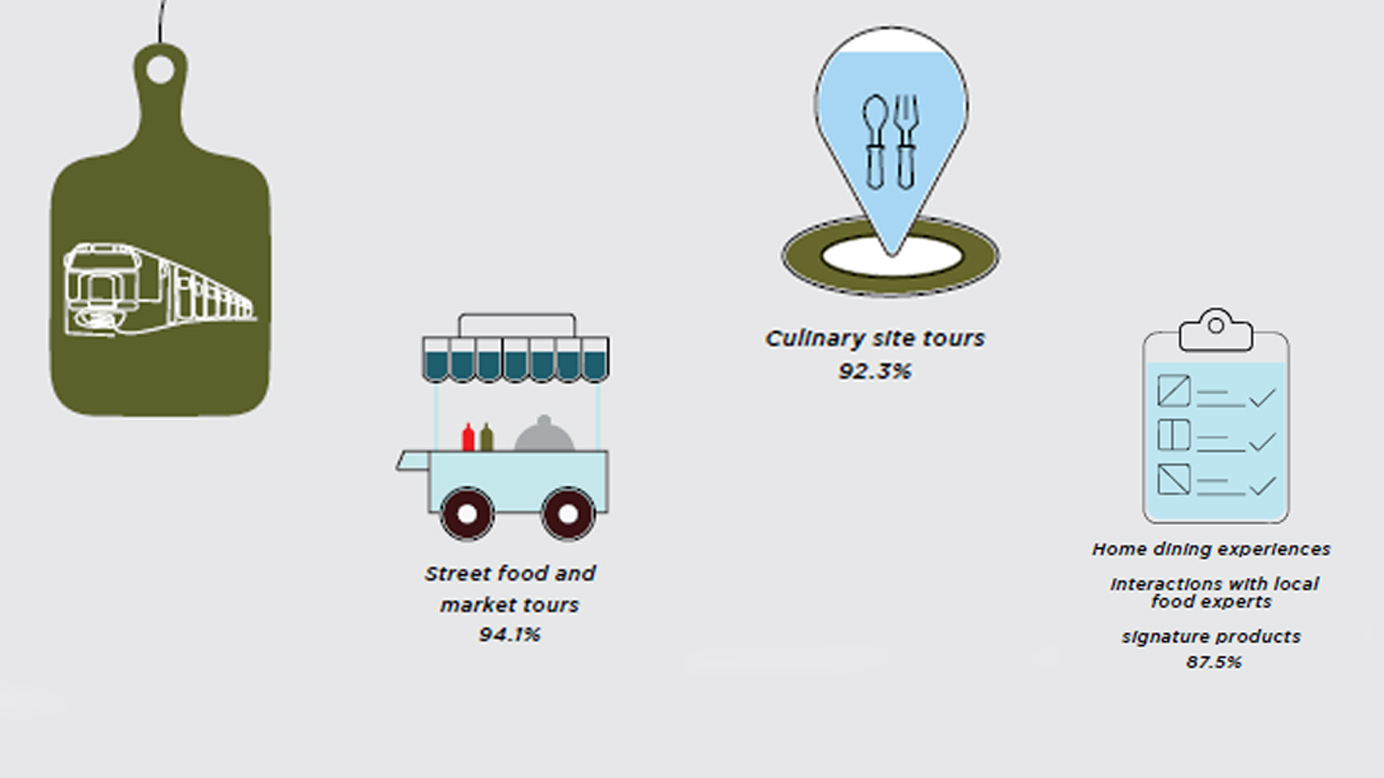
The Godrej Food Trends Report 2024, curated by Godrej Vikhroli Cucina with insights from over 190 food experts, revealed the top culinary trends shaping Indian travel:
1. Street food and market tours
With 94.1 per cent of experts highlighting their popularity, vibrant food streets and spice markets emerged as must-visit attractions. From the zesty flavours of pani puri to the aromatic whiffs of garam masala, travellers immersed themselves in the diverse culinary fabric of India.
2. Culinary site tours
Nearly 92.3 per cent of experts predicted continued interest in these immersive experiences, where travellers visited tea estates, artisanal cheese hubs, and other production sites. These tours offered behind-the-scenes glimpses into the craft of food making, adding an educational edge to the journey.
3. Home dining experiences and local expertise
Around 87.5 per cent of experts noted a surge in travellers booking home dining experiences. These intimate interactions with local experts allowed visitors to learn traditional cooking techniques, taste signature regional products, and gain a deeper appreciation for India’s culinary heritage.
“Food is no longer just a part of the travel experience, but its very essence,” said A Perfect Bite Consulting MD & the annual report editor Rushina Munshaw Ghildiyal. “Today’s travellers are not just seeking destinations but connections—immersive, authentic experiences that allow them to explore the heart of a place through its culinary heritage. Whether it’s walking through vibrant spice markets, learning traditional recipes from local experts, or savouring unique regional flavours, food has become the bridge that links people to cultures and stories,” she elaborated.
This surge in culinary tourism isn’t just reshaping Indian vacations; it’s creating opportunities for local communities and small brands to showcase their culinary culture. From bustling street vendors to small-scale producers, the movement is helping amplify India’s rich food heritage on a global stage.
As the country celebrates National Tourism Day, travellers are invited to embrace the fusion of food and travel—a blend that promises to redefine how people experience culture and destinations in the years to come.
The Godrej Food Trends Report 2024 is available for download at www.vikhrolicucina.com.






