Executive Dossier
‘More and more local production is the way forward’ : Bhaskar Dutt – Radio City 91FM – Bangalore VP & station head

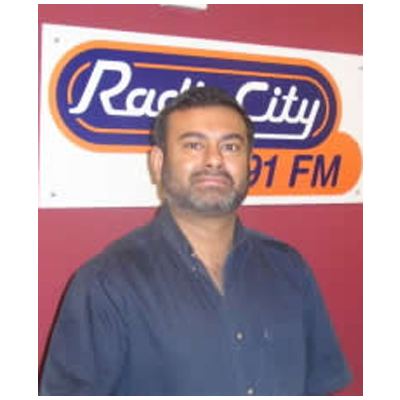
Radio City FM 91, Bangalore launched in July 2001. Promoted by Music Broadcast Private Limited (MBPL), and with 75 per cent equity from GW Capital, Radio City claims to be the first station to use state-of-the-art digital stereo FM.
Bhaskar Dutt is the VP & station head for Radio City 91FM – Bangalore for the last one year. Dutt has moved around a lot since he left Kolkata in 1984. And believe it or not, Dutt also been the head of the Stryker Howmedica orthopaedic business in India.
Indiantelevision.com’s Taro W spoke to Dutt to get a low down on Bangalore’s only private FM radio station’s plans.

Excerpts:
|
Could you update us on Radio City Bangalore? |
|
Regarding sharing of software with other Radio City stations… “We’ll be bringing back English again, because we find that some of our listeners have a preference for English music. This will probably be in the 9 pm to 12 pm slot. Middle of the road stuff. We won’t be doing hard rock and we wont be doing jazz. Again we want to get the 15 to 35 age crowd to tune in. Another demand is for more of Kannada, we have a four-hour slot on Sunday, called the Chow chow bath hosted by Kiran. This is a very popular program. We’ll probably extend that to weekdays also. At present, what we do is that we play some Kannada songs over the week during our regular programs. We’re now toying with the idea of a Kannada slot some time during the day. |
|
Do you have any rating systems in Bangalore to know how many people will be listening to you? |
| You had Kyunki Saas bhi… and Saans in Bangalore, you also had Kahaani… in Mumbai. Why have you discontinued beaming the soundtracks of soaps? We’d decided to broadcast an ‘X’ number of episodes, plus it wasn’t live, in the sense people had already seen these episodes on TV. In Bangalore, we decided to do more of the local stuff. For example the Matinee show. We do a lot of local city oriented stuff like Chat on the Mat and Karma Yogi. This is more relevant to Bangalore. |
|
You have so many public service messages, do you charge for them? |
|
How are you gearing up for challenges of competition? Radio Mirchi may probably come in next year. |
 |
|
Currently all stations in India target the 15-35 age group. Do you foresee age-specific stations or focus-specific, having programs targeted towards specific age groups as is the practice in the west? Like stations specifically for the young or the old stations that talk only on cooking… |
|
How do you market yourselves, increase awareness among people about your presence, bring in new listeners in the city? They’ll be like the Amul hoardings… people would look forward to what comes next. We’ll refresh the hoarding every month. We want to have a theme that really identifies us. Right now the theme that has really worked is City Bajao. You see that on our hoardings. It has had such a connect with Radio City. It has sold very well. |
|
Who does your creative work for these hoardings? Any new themes? |
|
Your fourth birthday anniversary, could you share some of your celebration plans? |





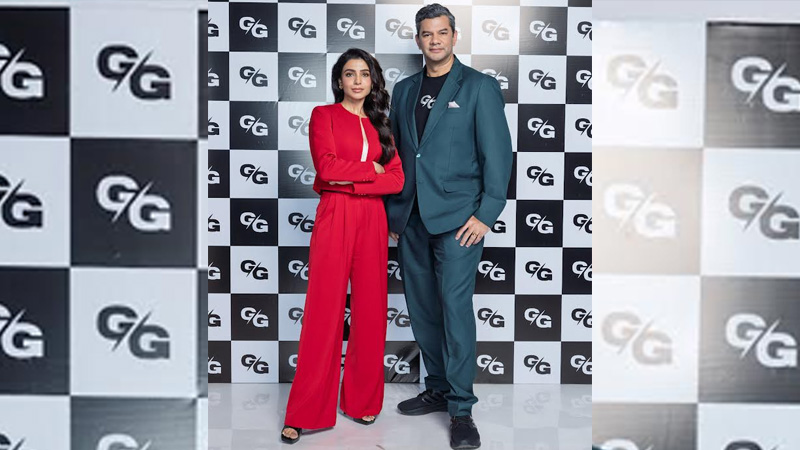
MUMBAI: Game faces on, pressure high India’s gaming ambitions are levelling up. Good Game, billed as the world’s first as-live global gaming reality show, has officially launched in India with a bold mission: to crown the country’s first Global Gaming Superstar.
Blending esports with mainstream entertainment, the show brings together competitive gaming, creativity and on-camera performance in a format that tests more than just joystick skills. Contestants will be judged on gameplay, screen presence and their ability to perform under pressure, reflecting how gaming has evolved from pastime to profession and pop culture currency.
Fronting the show are three high-profile ambassadors: actor and entrepreneur Samantha Ruth Prabhu, Indian cricket star Rishabh Pant, and gaming creator Ujjwal Chaurasia. The winner will take home Rs 1 crore ($100,000) among the largest prize pools for any Indian reality show along with the chance to represent India on a global stage.
Backed by a planned annual investment of up to Rs 100 crore, Good Game is also courting brand partners, promising a minimum reach of 500 million among India’s core youth audience. The creators position the show as a bridge between entertainment and interactive culture, offering long-format content, community engagement and commercial scale.
Auditions are now open to Indian citizens aged 18 and above, inviting amateur and professional gamers, creators and performers alike. Shortlisted candidates will be called for in-person auditions in Mumbai on 14 and 15 February, and in Delhi on 28 February and 1 March 2026.
With big money, big names and even bigger ambition, Good Game signals a shift in how India views gaming not just as play, but as performance, profession and prime-time spectacle.







