Sports
ISGL launches India’s franchise esports league
8 teams including Mumbai City FC, FC Goa, Vizag finale after nationwide qualifiers.

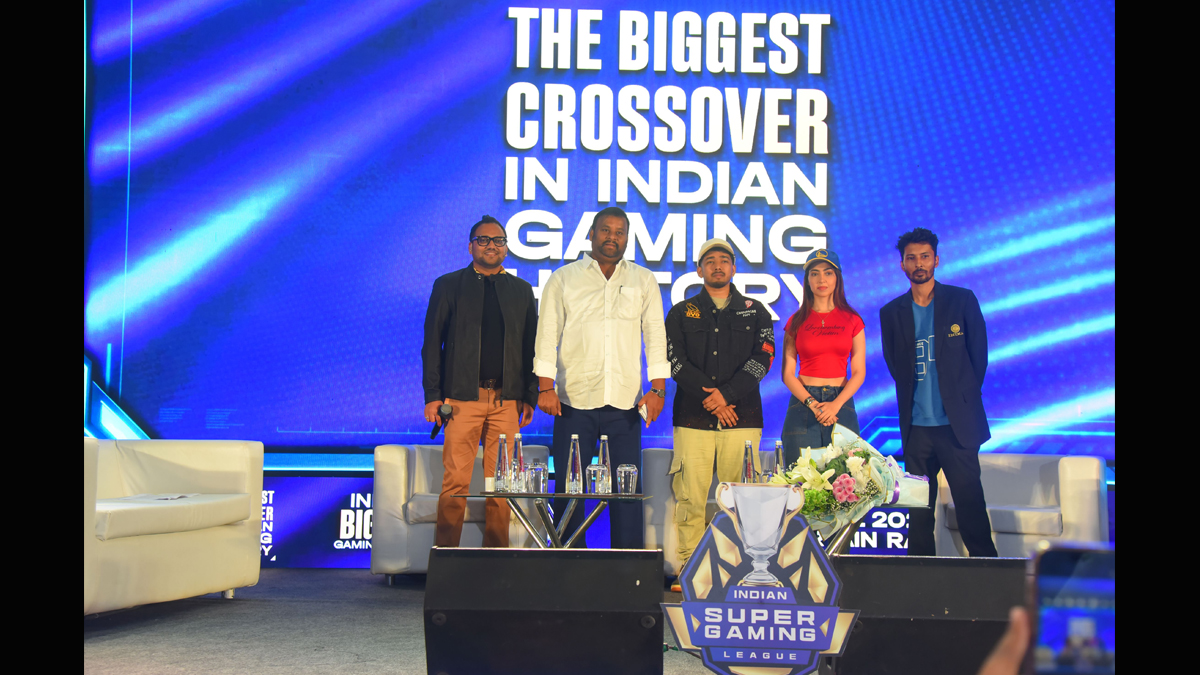
MUMBAI: India’s esports just levelled up to league status because when football clubs swap pitches for pixels, the game changes forever. The Indian Super Gaming League (ISGL), a franchise-based national esports competition organised by Letsgamenow (LGN), was unveiled on 24 February 2026, marking a structured shift for the sector beyond standalone tournaments.
Founders Santanu Basu and Gautam Badalia, alongside Andhra Pradesh sports minister Mandipalli Ramprasad Reddy, actors Ranbir Kapoor and Abhishek Bachchan, launched the league with 8 founding teams: Mumbai City FC, FC Goa, Chennaiyin FC, Kerala Blasters FC, Inter Kashi, Puneri Paltan, Bangalore Bhargavas, and Andhra Agneyas. The cross-sport expansion brings established football brands into competitive gaming.
The inaugural season later this year will feature a nationwide qualifier circuit in respective cities, culminating in a grand finale in Vizag. Permanent team ownership and season-led format aim to foster continuity, professional governance, and talent pathways.

Letsgamenow co-founder Gautam Badalia said, “India has scale, talent, and passion for gaming. What it now requires is structure. ISGL is built to create continuity, professional governance, and sustainable opportunity.”
Co-founder and professional esports athlete, Santanu Basu added, “For Indian players to compete globally, the domestic ecosystem must meet global standards. ISGL is about creating consistent platforms, exposure pathways, and a professional environment.”
In a market already among the world’s largest by audience size, ISGL’s franchise model promises stable identities and progression for players turning raw passion into pro leagues, one pixelated pitch at a time.






Sports
JioStar terminates Bangladesh IPL and WPL broadcast rights deals
Payment defaults lead to licence cancellations and potential legal action.
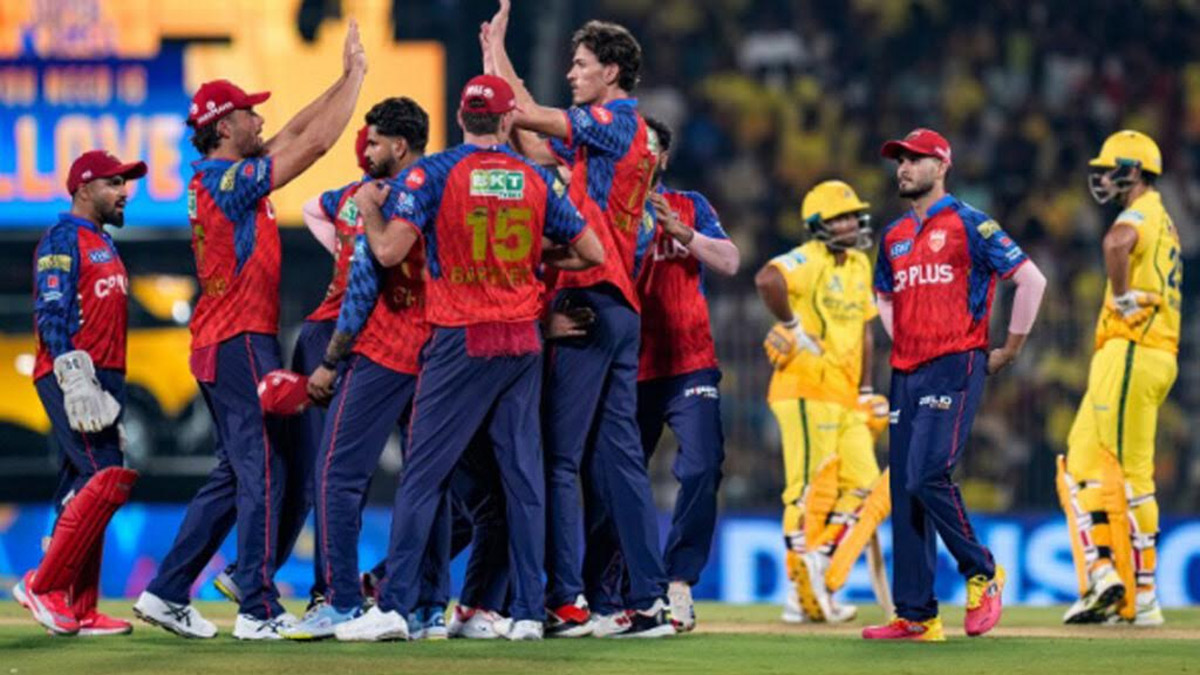
MUMBAI: When the money stops flowing in cricket’s biggest cash cow, even the sub-licence holders can find themselves suddenly bowled out. JioStar India Private Limited has terminated its Bangladesh sub-licence agreements for the Indian Premier League (IPL) and Women’s Premier League (WPL) after the counterparty, Excel Lead IT Solutions FZ-LLC (holding company of broadcaster T-Sports), failed to clear outstanding dues.
The agreements, originally signed with Viacom18 (now part of JioStar) and later novated to Excel Lead, covered digital media rights for the IPL and WPL in Bangladesh for the 2023–27 seasons. In early January 2026, JioStar issued a demand notice for unpaid amounts related to the IPL 2025 and WPL 2025 seasons. Despite providing full access to matches and allowing complete commercial exploitation, the dues remained unpaid even after the cure period expired.
As a result, all licensed rights have automatically reverted to JioStar. The company has demanded immediate payment of all outstanding dues along with overdue interest and costs, and has instructed Excel Lead (T-Sports) to immediately cease any broadcast, streaming, promotion or exploitation of the rights in Bangladesh. Any continued use would constitute unauthorised exploitation.
JioStar is also considering legal proceedings, including interim and injunctive relief, to protect the commercial value of these high-profile cricket properties.
In a separate development, JioStar has invoked arbitration against Green Bean Sports Marketing (an affiliate of Gazi TV Bangladesh) over a sublicensing agreement for IPL television media rights in Bangladesh for the 2023–27 seasons. The agreement was terminated in January 2025 due to contractual breaches and payment issues.
Industry sources say JioStar remains confident in the judicial process and is determined to recover all outstanding amounts, including interest and litigation costs, in full.
The developments highlight a growing zero-tolerance approach by rights holders towards payment defaults and unauthorised exploitation in South Asia’s lucrative sports media market, where marquee cricket properties continue to command premium valuations.
In the high-stakes game of cricket broadcasting, it seems JioStar has decided that when payments don’t come, the game stops and the rights go back to the rightful owner.






