Executive Dossier
‘India can be an outsourcing hub and create original global animation content’ : Kurt Inderbitzin – Whistling Woods International Ltd dean

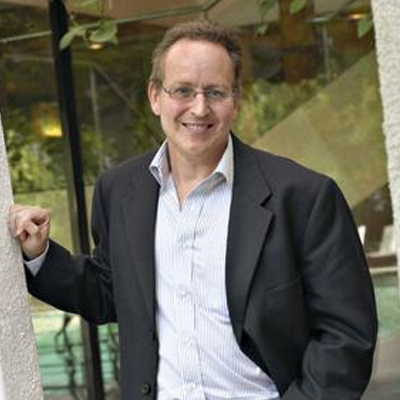
Noted filmmaker Subhash Ghai had a 20-year dream: to set up an international film and media institute in Mumbai. Whistling Woods International Ltd (WWIL) came up in Film City on an investment of Rs 500 million.
But that wasn’t enough: Ghai needed an international personality who would take charge of the institute and bring a global flavour to the creative curries dished out from the land of Bollywood. He found that in the US-born filmmaker-producer and media business professional Kurt Inderbitzin who has joined as the dean of WWIL.
Inderbitzin has 12 years of experience in developing, writing, directing, editing and producing movies and shows for major studios, cable companies and the networks, including CBS, ABC, Lifetime, NBC, TBS, TNT, HBO and Warner Brothers Network, in all formats, High-Definition, digital video and 35 mm film.

He was president of Abandon Pictures for eight years, producing films such as Sundance Film Festival Favorite Scotland, P.A, Oxygen (starring Oscar winner Adrian Brody) as well as Off the Lip, Pros and Cons, Glory Days, Project Greenlight, Dimensions of Fear, Time Shifters and The Brink.
As vice president of Orly Adelson Productions for three years, he developed and sold 21 television films. Additionally he has directed Brian Gina Nick and Welcome to the Neighborhood, and written and produced many others.
In an exclusive chat with Indiantelevision.com’s Sibabrata Das and Bijoy A K, Inderbitzin discusses the dynamic changes taking place in the area of animation, the global television scenario, and the business of filmmaking.
Excerpts:
|
Will India stay hung on animation as a pure outsourcing model or is there potential to move up the value chain? |
||
|
But isn’t the business dominated by big investment requirements, branding and marketing promotions? |
||
|
Isn’t there too much focus on creating animators than building as it were a superstructure of original creators? |
||
|
How does local talent get international exposure, which is crucial to the progression of the industry? |
||
|
Do you see an export market for Bollywood films as well? |
||
|
||
|
What will make Bollywood experiment with different forms when it has such a strong and protected domestic market? If India doesn’t create that varied content, Hollywood will gobble up. That is how American culture has spread; Hollywood has taken away the film industries in other countries. For Bollywood to stand up, it has to create different kinds of content. That will also open up the global market for Bollywood. Even though the subjects could be India-centric, there are chances that some kind of this content may be acceptable in other markets. Indian film industry has to grow and expand. It is important for India to participate in the globalisation of media. |
||
|
Sony and Viacom have announced their plans to produce local movies from here. Do you see co-production setting the trend for the studio majors? |
||
|
The average cost of marketing a picture from the studios is estimated to have gone up from $34 million to $36 million in 2005. Is this marketing blitz going to see the end of independent producers? |
||
|
How will Whistling Woods create an international talent among aspirant filmmakers in India? |
||
|
You have produced shows for networks in the US. Do the needs for content vary from network to network? |
||
| There is this theory going around in India that the reality show genre is killing narrative television. How do you look at it? It is a phenomenon which swings back and forth. The hit gameshow Who Wants to be a Millionaire brought the reality and gameshow genre back on television. Simultaneously Kaun Banega Crorepati did extremely well in India also. In the West, now narrative television is back on track. Same thing can happen in India also. It all depends on the taste of audiences and there is no fixed formula as such when it comes to television programming. |
||
|
How do you see IPTV and pay-per-view models upsetting these networks? |
||
|
How will this help in their business models? |
||
| You have taught television news. How do you see the changes in news coverage in the US where you see channels like Fox going more right wing and others aggressively aping them? These things will swing like a pendulum. Right now, they are swinging to a biased kind of reporting in the US. But the future is for niche news – finance, international, etc. You will pay a la carte for the news that you want to watch. The market is evolving towards that. The pay-per-news service will be somewhat similar to the pay-per-show concept. |








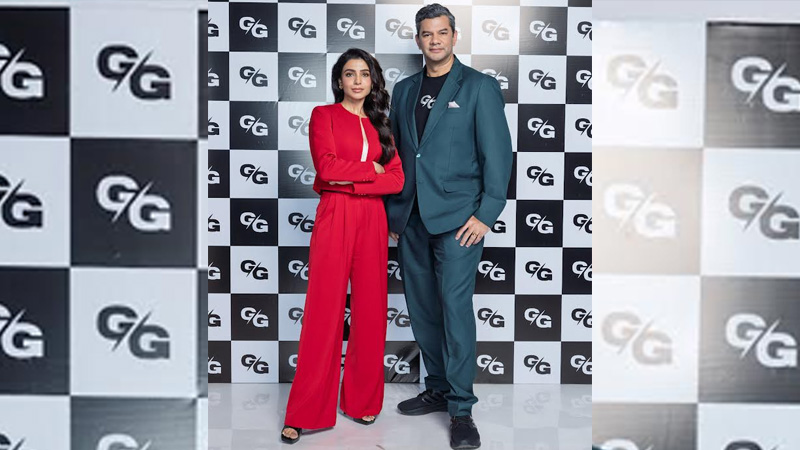
MUMBAI: Game faces on, pressure high India’s gaming ambitions are levelling up. Good Game, billed as the world’s first as-live global gaming reality show, has officially launched in India with a bold mission: to crown the country’s first Global Gaming Superstar.
Blending esports with mainstream entertainment, the show brings together competitive gaming, creativity and on-camera performance in a format that tests more than just joystick skills. Contestants will be judged on gameplay, screen presence and their ability to perform under pressure, reflecting how gaming has evolved from pastime to profession and pop culture currency.
Fronting the show are three high-profile ambassadors: actor and entrepreneur Samantha Ruth Prabhu, Indian cricket star Rishabh Pant, and gaming creator Ujjwal Chaurasia. The winner will take home Rs 1 crore ($100,000) among the largest prize pools for any Indian reality show along with the chance to represent India on a global stage.
Backed by a planned annual investment of up to Rs 100 crore, Good Game is also courting brand partners, promising a minimum reach of 500 million among India’s core youth audience. The creators position the show as a bridge between entertainment and interactive culture, offering long-format content, community engagement and commercial scale.
Auditions are now open to Indian citizens aged 18 and above, inviting amateur and professional gamers, creators and performers alike. Shortlisted candidates will be called for in-person auditions in Mumbai on 14 and 15 February, and in Delhi on 28 February and 1 March 2026.
With big money, big names and even bigger ambition, Good Game signals a shift in how India views gaming not just as play, but as performance, profession and prime-time spectacle.






