Executive Dossier
‘80% of activity where brands are engaging themselves with films is in associative marketing’ : CEO Navin Shah

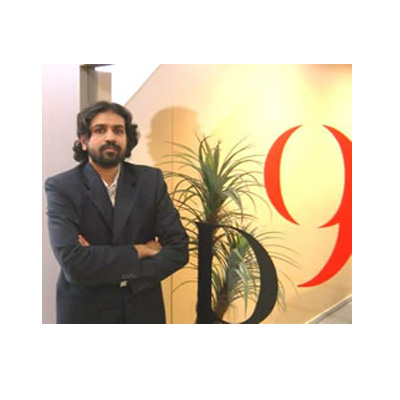
This year the Indian film industry has entered the spotlight with release after release that has caused a stir in the media. Amidst all this, there have also been several others contributing to the noise and much like ‘parasites’ seem to be clinging on to the fame! In short, brands are increasingly riding the tide of Bollywood, transforming this activity into a more organised format by investing ‘big monies’ towards it. This trend seems to be gaining ground in the Indian sub-continent with a whole host of advertisers jumping in the ‘brand-wagon’ of blockbusters including Krrish, Lage Raho Munnabhai, Don and the latest addition Dhoom 2.
Highlighting the potential of this relatively new yet burgeoning industry, P9 Integrated CEO Navin Shah took some time out to speak with Indiantelevision.com’s Renelle Snelleksz.
Excerpts:

|
What are the various options available to advertisers when associating with a film? Firstly, there is no lag in the time period, like for Salaam-e-Ishq, which is releasing on 24 January, the planning can be done now. Secondly, even if there is a high integration of the creative of the brand footage and the film, it is only outside and is short lived. It is irrespective of the fate of the film, because you are doing an outside association you are assured of your ROI as it is media linked. The association can be amplified via other mediums like television, print, cinema hoardings. Therefore, 80 to 90 per cent of activity in which brands are engaging themselves with films is in associative marketing. |
||
|
Is it not a big risk that brands are taking with in film associations, especially if the movie doesn’t do well? |
||
|
Brand associations are then a viable option and filmmakers stand to gain as it not only provides additional revenue but also helps to market his film? A classic example is ICICI and Baghban, that’s a four year old story while the shelf life of that can grow to be about 20 years as satellite TV keeps replaying it over and over again. Thus, it is a disproportionately skewed equation for the brand and if brands realise this they can use it to their advantage. |
||
|
How much are brands willing to spend on the medium? |
||
|
This year’s blockbuster Krrish is often sighted as a popular case study, but what happens when there are more than 10 brands incorporated in a film, in that case how does it prove to be a ‘clutter breaking’ approach? |
||
|
Among several brands in film, will a particular brand have to pay a greater premium for more visibility? |
||
|
||
|
Who implements the placement in this set up? How does it work? |
||
|
For an organization like P9 Integrated, what is their hand in the whole process? |
||
|
Do several media agencies come to the table with different brands to be integrated in a film, or does one agency handle all the placements for a film? |
||
|
Internationally, what is the scope of the market? What is being done in that space? We have done several co-promotional marketing tie-ups in India for Hollywood movies including the work on Superman and Mother Dairy cheese, we had also done MI3 and Gabanna and likewise we are in talks with many films, one of the big films which is slated for December is Happy Feet on which we will be doing something interesting. |
||
|
What can we expect in the coming months? There are three key films in the pipeline with a huge amount of stuff being done – for Guru, some mind blowing activity on our home production Traffic Signal which Madhur Bhandarkar is directing and of course Salaam-e-Ishq. In addition, we are also working in the regional market with Telegu films. |
||
|
What do you identify as being the way head for the industry in India? Secondly, there is some amount of measurement emerging in terms of effectiveness and impact. Companies like Media e2e are attempting to put in those measures into place. Measurement should become an integral part of the any project exercise so we should actually have a directional tool of getting a report card at the end of every activity to determine what worked and what didn’t work. Thirdly, we need to bring a lot more discipline into the whole business of branded entertainment. The biggest drawback is the lack of trained talent in this business. Additionally, there is a need to train even the professionals and the practitioners of marketing to talk of a common currency in terms of best practices, category knowledge, trends, ROI, economics and legal aspects of branded entertainment as it is an option that probably allows one to marry their passion with their career. |






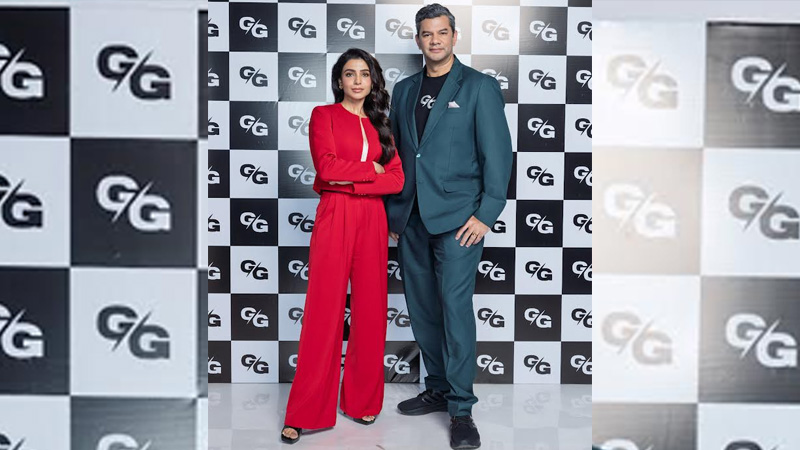
MUMBAI: Game faces on, pressure high India’s gaming ambitions are levelling up. Good Game, billed as the world’s first as-live global gaming reality show, has officially launched in India with a bold mission: to crown the country’s first Global Gaming Superstar.
Blending esports with mainstream entertainment, the show brings together competitive gaming, creativity and on-camera performance in a format that tests more than just joystick skills. Contestants will be judged on gameplay, screen presence and their ability to perform under pressure, reflecting how gaming has evolved from pastime to profession and pop culture currency.
Fronting the show are three high-profile ambassadors: actor and entrepreneur Samantha Ruth Prabhu, Indian cricket star Rishabh Pant, and gaming creator Ujjwal Chaurasia. The winner will take home Rs 1 crore ($100,000) among the largest prize pools for any Indian reality show along with the chance to represent India on a global stage.
Backed by a planned annual investment of up to Rs 100 crore, Good Game is also courting brand partners, promising a minimum reach of 500 million among India’s core youth audience. The creators position the show as a bridge between entertainment and interactive culture, offering long-format content, community engagement and commercial scale.
Auditions are now open to Indian citizens aged 18 and above, inviting amateur and professional gamers, creators and performers alike. Shortlisted candidates will be called for in-person auditions in Mumbai on 14 and 15 February, and in Delhi on 28 February and 1 March 2026.
With big money, big names and even bigger ambition, Good Game signals a shift in how India views gaming not just as play, but as performance, profession and prime-time spectacle.






