Applications
Yummly.com secures $6 mn Series A funding

MUMBAI: Yummly.com, the leading recipe search platform, today announced that it has closed a $6 million Series A funding round led by Physic Ventures, with contributions from Unilever Corporate Ventures, Harrison Metal Capital, First Round Capital, Intel Capital, The Harvard Common Press, and angel investors.
Andy Donner of Physic Ventures and Andy Porteous of Unilever will join the company‘s board of directors. Yummly will use the funds to further expand its team, scale its marketing efforts and add new features and functionality to the site.
“Innovative solutions that help people cook and eat healthy, flavorful meals are core to Physic Ventures‘ mission of investing in keeping people healthy,” said Physic Ventures partner Andy Donner. “We believe that Yummly has the opportunity to assist both experienced cooks and newcomers in the kitchen by providing a comprehensive digital platform encompassing meal planning, procurement, preparation and participation.”
Said Phil Giesler, Venturing Director for Unilever Corporate Ventures, “Unilever Corporate Ventures invests in early-stage companies that have the potential to be strategically relevant to Unilever and can benefit from access to Unilever‘s assets and capabilities, particularly in the areas of sustainable living, health, novel foods, personal care and digital marketing. Yummly fits this bill well and we are now exploring how it might be able to support Unilever brands in the digital space.”
Launched in April of 2010 by co-founders David Feller and Vadim Geshel, Yummly is a food and recipe platform that seeks to understand recipes from across the Internet and intuitively match them with its users‘ tastes.
“In less than two years, Yummly is now attracting more than 4 million unique visitors each month. I am thrilled at our progress in such a short time — end user response has already far exceeded our wildest expectations,” said Yummly CEO and co-founder David Feller. Buoyed by the support of Physic Ventures and Unilever, we now look forward to focusing on the continued expansion and evolution of the Yummly platform to become an invaluable digital resource for foodies and cooks of all skill levels.”

Applications
With 57 per cent single new users, Ashley Madison rebrands as discreet dating platform
Platform says majority of new members now identify as single
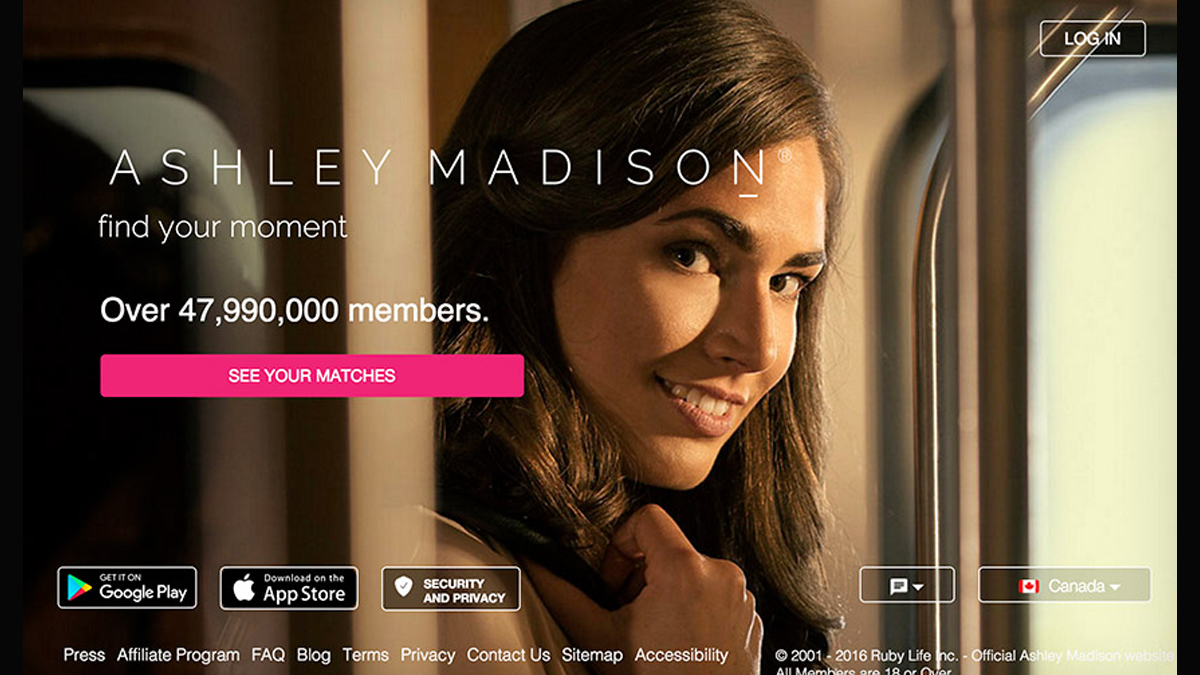
INDIA: Ashley Madison is shedding the “married-dating” label that defined it for two decades, repositioning itself as a platform for discreet dating in what it calls the post-social media age.
The rebrand, unveiled in India on 27 February, 2026, marks a structural shift in business model and identity. Once synonymous with married dating, the company now describes itself as the “premier destination for discreet dating” under a new tagline: Where Desire Meets Discretion.
The pivot is data-driven. Internal figures show that 57 per cent of global sign-ups between 1 January and 31 December, 2025 identified as single: a notable departure from the platform’s married core. The company argues that its community has already evolved beyond its original positioning.

“In an age where our lives have been constantly put on public display, privacy has become the new luxury,” said Ashley Madison chief strategy officer Paul Keable. He framed the platform’s offering as “ethical discretion” for singles, separated, divorced and non-monogamous users seeking private connections.
The shift also taps into wider digital fatigue. A global survey conducted by YouGov for Ashley Madison, covering 13,071 adults across Australia, Brazil, Canada, Germany, India, Italy, Mexico, Spain, Switzerland, the UK and the US, found mounting discomfort with hyper-public online lives.
Among dating app users, 30 per cent cited constant swiping and messaging as a source of fatigue, while 24 per cent pointed to pressure to curate public-facing profiles and early personal disclosure. Some 27 per cent said fears of screenshots or information being shared contributed to exhaustion; an equal share cited unwanted attention.
The retreat from oversharing appears broader. According to the survey, 46 per cent of adults actively try to keep most aspects of their life private online. Only 8 per cent feel comfortable sharing most aspects publicly, while 35 per cent say they are becoming more selective about what they disclose.
Ashley Madison is betting that this cultural recalibration towards controlled visibility can be monetised. By doubling down on privacy infrastructure and reframing itself around discretion rather than infidelity, the company is attempting to convert reputational baggage into a premium proposition.






