Applications
WWIL lines up Rs 2.5 bn debt, plans to deploy 2.5 mn STBs in first phase

MUMBAI: Wire and Wireless (India) Limited, lagging behind the other leading multi-system operators like Hathway Cable & Datacom and Den Networks, is planning a revival.
The Subhash Chandra-promoted MSO has lined up a debt of Rs 2.50 billion from a consortium of banks and is looking at deploying Rs 2.5 million set-top boxes in the three metros of Delhi, Kolkata and Mumbai that fall under the first phase of digitisation mandated by the government.
The company appointed Anil Malhotra, who was earlier with Digicable, as its chief operating officer a few months back after its CEO Sudhir Agarwal quit the company.
Mahipal Rawat has also joined from Digicable as WWIL COO – Siticable. He was national head operations -Analog at Digicable.
“We are importing 2.5 million STBs and have obtained line of credit. We have a presence in three of the metros that fall under the first phase of digitisation, unlike many of the other MSOs who have a footprint in two of them. We are positive about digitisation,” says Malhotra.
WWIL has a debt of around Rs 3.30 billlion, according to data till 30 September 2011. For the fiscal ended 31 March 2011, the company posted consolidated operating revenue of Rs 3.06 billion, up 12 per cent from the earlier year, while net loss narrowed to Rs 659.2 million. In the third quarter of the fiscal ended 31 December 2011, its net loss stood at Rs 147.3 million, widening from Rs 103.9 million posted a year ago, while operating revenue rose 17.1 per cent to Rs 871.7 million.
“We have firmed up debt of Rs 2.5 billion from a consortium of banks. Our network and digital head-ends are ready in Delhi and Kolkata and we will need some capex in Mumbai. We are geared up for digitisation,” said WWIL finance head Sanjay Goyal.
WWIL had raised Rs 4.48 billion from rights issue and its cash reserves stood at around Rs 800 million till 30 September 2011.
“We have reduced our head-ends and are centralising them. Our eventual plan is to have one national digital head-end,” says Malhotra.

Applications
With 57 per cent single new users, Ashley Madison rebrands as discreet dating platform
Platform says majority of new members now identify as single
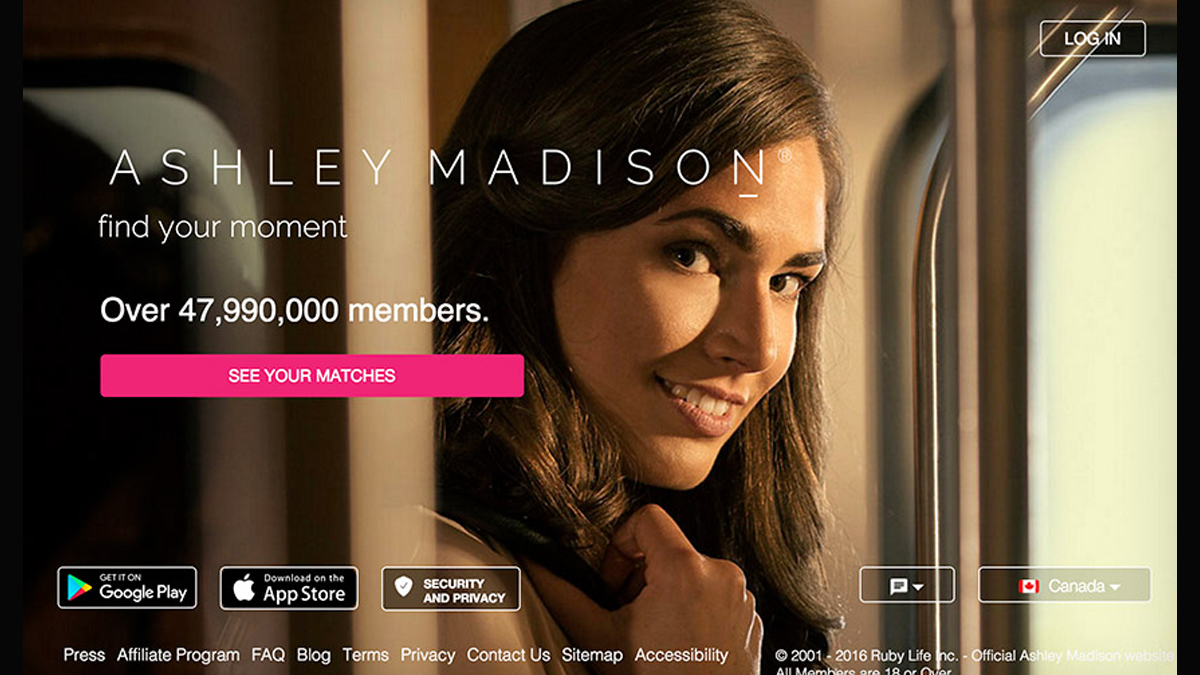
INDIA: Ashley Madison is shedding the “married-dating” label that defined it for two decades, repositioning itself as a platform for discreet dating in what it calls the post-social media age.
The rebrand, unveiled in India on 27 February, 2026, marks a structural shift in business model and identity. Once synonymous with married dating, the company now describes itself as the “premier destination for discreet dating” under a new tagline: Where Desire Meets Discretion.
The pivot is data-driven. Internal figures show that 57 per cent of global sign-ups between 1 January and 31 December, 2025 identified as single: a notable departure from the platform’s married core. The company argues that its community has already evolved beyond its original positioning.

“In an age where our lives have been constantly put on public display, privacy has become the new luxury,” said Ashley Madison chief strategy officer Paul Keable. He framed the platform’s offering as “ethical discretion” for singles, separated, divorced and non-monogamous users seeking private connections.
The shift also taps into wider digital fatigue. A global survey conducted by YouGov for Ashley Madison, covering 13,071 adults across Australia, Brazil, Canada, Germany, India, Italy, Mexico, Spain, Switzerland, the UK and the US, found mounting discomfort with hyper-public online lives.
Among dating app users, 30 per cent cited constant swiping and messaging as a source of fatigue, while 24 per cent pointed to pressure to curate public-facing profiles and early personal disclosure. Some 27 per cent said fears of screenshots or information being shared contributed to exhaustion; an equal share cited unwanted attention.
The retreat from oversharing appears broader. According to the survey, 46 per cent of adults actively try to keep most aspects of their life private online. Only 8 per cent feel comfortable sharing most aspects publicly, while 35 per cent say they are becoming more selective about what they disclose.
Ashley Madison is betting that this cultural recalibration towards controlled visibility can be monetised. By doubling down on privacy infrastructure and reframing itself around discretion rather than infidelity, the company is attempting to convert reputational baggage into a premium proposition.






