Applications
Webchutney gives Kaya a digital makeover

MUMBAI: In a bid to increase the brand’s outreach among the digitally savvy, constantly evolving, urban Indian consumer, beauty service provider Kaya Skin Clinic has donned a new digital avatar.
Digital marketing agency Webchutney is responsible for the brand’s digital initiatives to infuse greater interactivity and deeper engagement and making it more approachable on the web.
The beauty service provider desired to bring alive and inspire the ‘awe of transformation’ more effectively in its brand communication online.
Kaya Skin Clinic marketing head Suvodeep Das said, “Kaya has built a reputation as the ultimate expert that solves all skin problems. Our new identity is inspired by insights gained through research and consumer feedback. Revamping our website has been an important part of this repositioning exercise. There has been a 360 degree overhaul of our website that is in tandem with the new brand identity. The Webchutney team understands our brand and we have been very impressed with their creative ingenuity.”
The refurbished website includes a host of interactive elements and intuitive features such as an interest-based Compliment Cloud to push supplementary services, facility to book online appointments, interactive forms for campaign registrations, social plug-ins for Facebook and Twitter, clinic locator, loyalty promotions, e-coupons/codes and e-shop to purchase products conveniently.
Webchutney chief executive officer Sidharth Rao said, “We are delighted to have the opportunity to partner with Kaya Skin Clinic which strengthens our existing and long-standing relationship with Marico. We are confident that this initiative will achieve the desired positioning for Kaya as a brand and help establish an indispensible relationship with their core audience, online.”
Kaya Skin Clinic has 82 outlets in 26 cities across India, 19 clinics in the Middle East and two clinics in Bangladesh with a team of over 280 dermatologists and a customer base of over 600,000 men and women. In 2010, Kaya also acquired the leading aesthetics company DRx Clinic with three centers across Singapore and Malaysia.

Applications
With 57 per cent single new users, Ashley Madison rebrands as discreet dating platform
Platform says majority of new members now identify as single
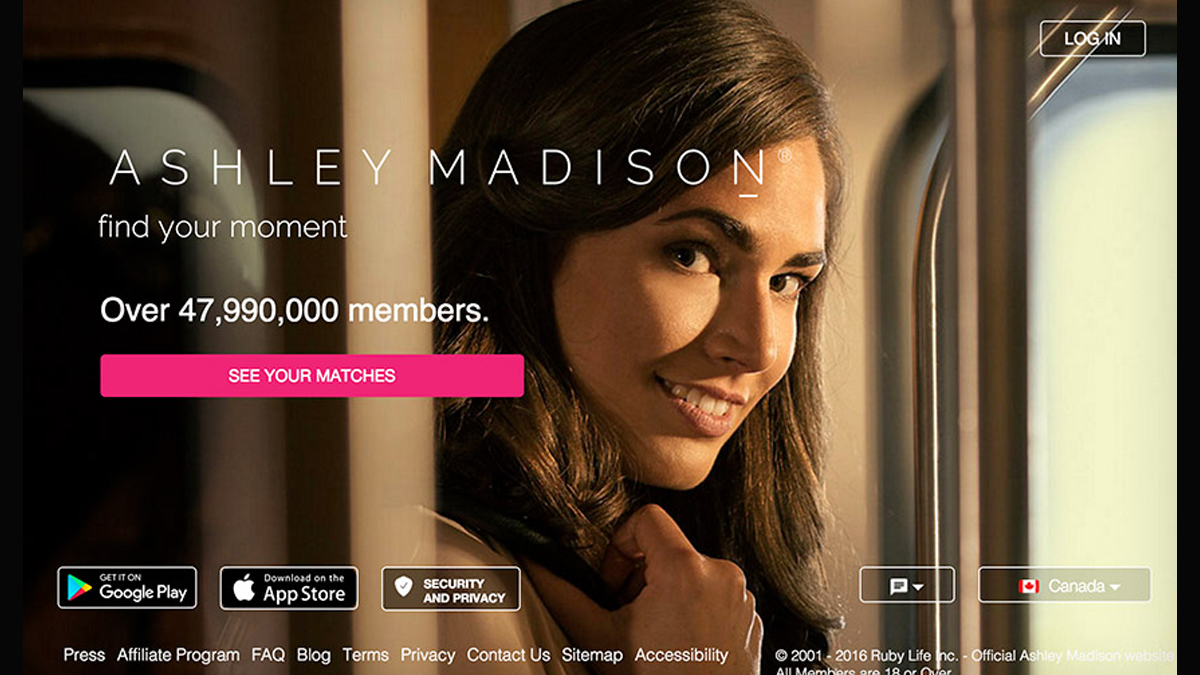
INDIA: Ashley Madison is shedding the “married-dating” label that defined it for two decades, repositioning itself as a platform for discreet dating in what it calls the post-social media age.
The rebrand, unveiled in India on 27 February, 2026, marks a structural shift in business model and identity. Once synonymous with married dating, the company now describes itself as the “premier destination for discreet dating” under a new tagline: Where Desire Meets Discretion.
The pivot is data-driven. Internal figures show that 57 per cent of global sign-ups between 1 January and 31 December, 2025 identified as single: a notable departure from the platform’s married core. The company argues that its community has already evolved beyond its original positioning.

“In an age where our lives have been constantly put on public display, privacy has become the new luxury,” said Ashley Madison chief strategy officer Paul Keable. He framed the platform’s offering as “ethical discretion” for singles, separated, divorced and non-monogamous users seeking private connections.
The shift also taps into wider digital fatigue. A global survey conducted by YouGov for Ashley Madison, covering 13,071 adults across Australia, Brazil, Canada, Germany, India, Italy, Mexico, Spain, Switzerland, the UK and the US, found mounting discomfort with hyper-public online lives.
Among dating app users, 30 per cent cited constant swiping and messaging as a source of fatigue, while 24 per cent pointed to pressure to curate public-facing profiles and early personal disclosure. Some 27 per cent said fears of screenshots or information being shared contributed to exhaustion; an equal share cited unwanted attention.
The retreat from oversharing appears broader. According to the survey, 46 per cent of adults actively try to keep most aspects of their life private online. Only 8 per cent feel comfortable sharing most aspects publicly, while 35 per cent say they are becoming more selective about what they disclose.
Ashley Madison is betting that this cultural recalibration towards controlled visibility can be monetised. By doubling down on privacy infrastructure and reframing itself around discretion rather than infidelity, the company is attempting to convert reputational baggage into a premium proposition.






