Applications
User-generated web content will grow rapidly through 2010

MUMBAI: User-Generated Content (UGC), such as that found on YouTube and MySpace, will continue to grow significantly in popularity and generate increasing revenue over the next several years, reports In-Stat. By 2010, the volume of downloads/views on these sites will surpass 65 billion, and revenues tied to UGC video are expected to exceed $850 million by 2010, the high-tech market research firm says. |
Revenues are those directly linked to videos in the form of banner/skyscrapers, embedded video, Google Adsense, and/or branded pages/channels. In-Stat analyst Michael Inouye says, “Democratisation of media affords users the opportunity to express their opinions, rate content, and vote for their favorite videos.” “In addition, what may currently seem like ‘the Wild West’ is actually an industry that has started to see idiosyncratic ‘judiciary bodies’ and ‘rules of law’ imposed by each player within this market.” |
Research by In-Stat found the following: * The size of downloads/views are estimated to eclipse 1.1 exabytes of data by 2010, with uploads growing to more than 9.1 petabytes. * 23 per cent of the dozens of UCG sites studied currently support mobile access, with others making announcements for this support in the near future. * YouTube holds the highest market share for video, but MySpace has the most visitors. This research is part of In-Stat’s Consumer Media and Content Service, which focuses first on the changing digital content models, and then how this will influence the evolution of equipment, standards, technologies, services and consumer usage models. The service addresses the acquisition, distribution, and use of digital content (audio, imaging, video, and voice) and how it fits into the consumer’s digital entertainment lifestyle. The service explains the opportunities for equipment makers and service providers within the emerging digital home. In-Stat found that although Online Content Aggregators are in the early experimentation stages of rolling out video services, they will have some dramatic revenue-generating opportunities in the next five years. The worldwide market for online content services is expected to expand by a factor of 10, growing from about 13 million households during 2005 to more than 131 million households by 2010. |

Applications
With 57 per cent single new users, Ashley Madison rebrands as discreet dating platform
Platform says majority of new members now identify as single
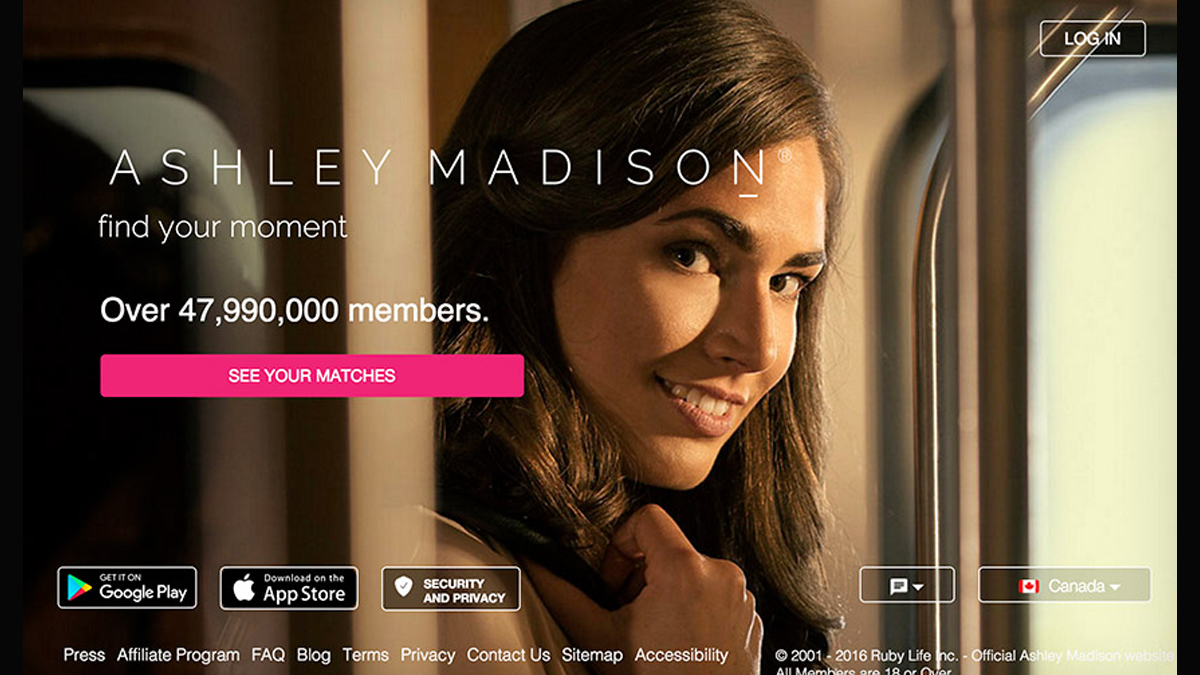
INDIA: Ashley Madison is shedding the “married-dating” label that defined it for two decades, repositioning itself as a platform for discreet dating in what it calls the post-social media age.
The rebrand, unveiled in India on 27 February, 2026, marks a structural shift in business model and identity. Once synonymous with married dating, the company now describes itself as the “premier destination for discreet dating” under a new tagline: Where Desire Meets Discretion.
The pivot is data-driven. Internal figures show that 57 per cent of global sign-ups between 1 January and 31 December, 2025 identified as single: a notable departure from the platform’s married core. The company argues that its community has already evolved beyond its original positioning.

“In an age where our lives have been constantly put on public display, privacy has become the new luxury,” said Ashley Madison chief strategy officer Paul Keable. He framed the platform’s offering as “ethical discretion” for singles, separated, divorced and non-monogamous users seeking private connections.
The shift also taps into wider digital fatigue. A global survey conducted by YouGov for Ashley Madison, covering 13,071 adults across Australia, Brazil, Canada, Germany, India, Italy, Mexico, Spain, Switzerland, the UK and the US, found mounting discomfort with hyper-public online lives.
Among dating app users, 30 per cent cited constant swiping and messaging as a source of fatigue, while 24 per cent pointed to pressure to curate public-facing profiles and early personal disclosure. Some 27 per cent said fears of screenshots or information being shared contributed to exhaustion; an equal share cited unwanted attention.
The retreat from oversharing appears broader. According to the survey, 46 per cent of adults actively try to keep most aspects of their life private online. Only 8 per cent feel comfortable sharing most aspects publicly, while 35 per cent say they are becoming more selective about what they disclose.
Ashley Madison is betting that this cultural recalibration towards controlled visibility can be monetised. By doubling down on privacy infrastructure and reframing itself around discretion rather than infidelity, the company is attempting to convert reputational baggage into a premium proposition.