Applications
Texas Instruments holds seminar on adoption of mobile television

MUMBAI: Mobile sports fans around the globe are experiencing the first major international sporting event being broadcast live to mobile phones worldwide, from Europe to South Africa to North America, in the palms of their hands. Texas Instruments which manufactures wireless semiconductors hosted a press event yesterday 4 July 2006 on the potential of mobile digital TV in Munich, Germany.
Today there are approximately 16 countries with Digital Video Broadcast-Handheld (DVB-H) mobile TV networks in place. DVB-H is an open standard developed by the DVB Project with broad industry support among hundreds of companies worldwide. The advantages of DVB-H compared to other mobile TV standards were addressed in a panel discussion led by David McQueen, principal analyst for Informa Telecoms and Media, with representatives from TI and Nokia. The panel also discussed the potential of the emerging mobile Digital TV (DTV) market with on-the-go consumers who are hungry for content to fit their interests. Following the panel, attendees were able to experience how sports fans‘ lives are changing with mobile TV from demonstrations of TI‘s Hollywood DVB-H single chip and Nokia‘s N92 mobile device.
McQueen says, “2006 is the year the mobile DTV picture will start to become clear with strong industry traction and international sporting events serving as the catalyst for mobile DTV growth. In fact, Informa expects $300 million in operator revenue to come just from users accessing streaming and broadcast services in June and early July to watch their favourite team play in international competition.”
In order for mobile DTV handsets to be embraced by the mass market, the service and the technology must be affordable. Nokia director, Multimedia Harri Mannisto says, “At Nokia we firmly believe that mobile DTV will deploy beyond the initial uptake the market is currently experiencing. From the numerous consumer pilots in which Nokia has been involved, it has become clear that mobile TV is a very exciting and interesting mobile service which consumers are ready to pay for.”
Christian Dupont, European director for TI‘s Wireless Terminals Business Unit, indicated that while the market‘s real growth will take place in the next five years, major international sporting events are sparking shorter term development. “This year we expect a substantial increase in consumer awareness for mobile broadcast TV that will in turn drive broader adoption of mobile DTV with DVB-H.
“We are seeing the impact the first live mobile TV broadcast of a major global sporting event is having which is evidence that the entire ecosystem has taken a major step together to bring mobile TV to consumers worldwide outside of initial trials.”
At every level of the mobile DTV value-chain, carriers, handset providers, infrastructure owners, content providers, broadcasters and semiconductor suppliers are putting increased efforts behind their mobile DTV plans supporting DVB-H. Informa believes for good reason – they predict 210 million mobile TV subscribers by 2011 and that by then ten percent of all mobile handsets sold will have a broadcast receiver, with DVB-H accounting for 63 per cent of broadcast receiver sales.
Demonstrations shown at the press included:
* Nokia showcased live broadcasts on its innovative Nokia N92 mobile device, the first DVB-H enabled device in the Nokia Nseries portfolio.
* TI demonstrated its Hollywood technology – the industry‘s first single-chip mobile DTV solution on the market – and its high performance OMAP2420 processor to provide a crisp, clear viewing experience. This demonstration was displayed using a DLP Pocket Projector linked to a demonstration unit and used technology from TI‘s partners PacketVideo and Silicon and Software Systems Ltd. (S3).

Applications
With 57 per cent single new users, Ashley Madison rebrands as discreet dating platform
Platform says majority of new members now identify as single
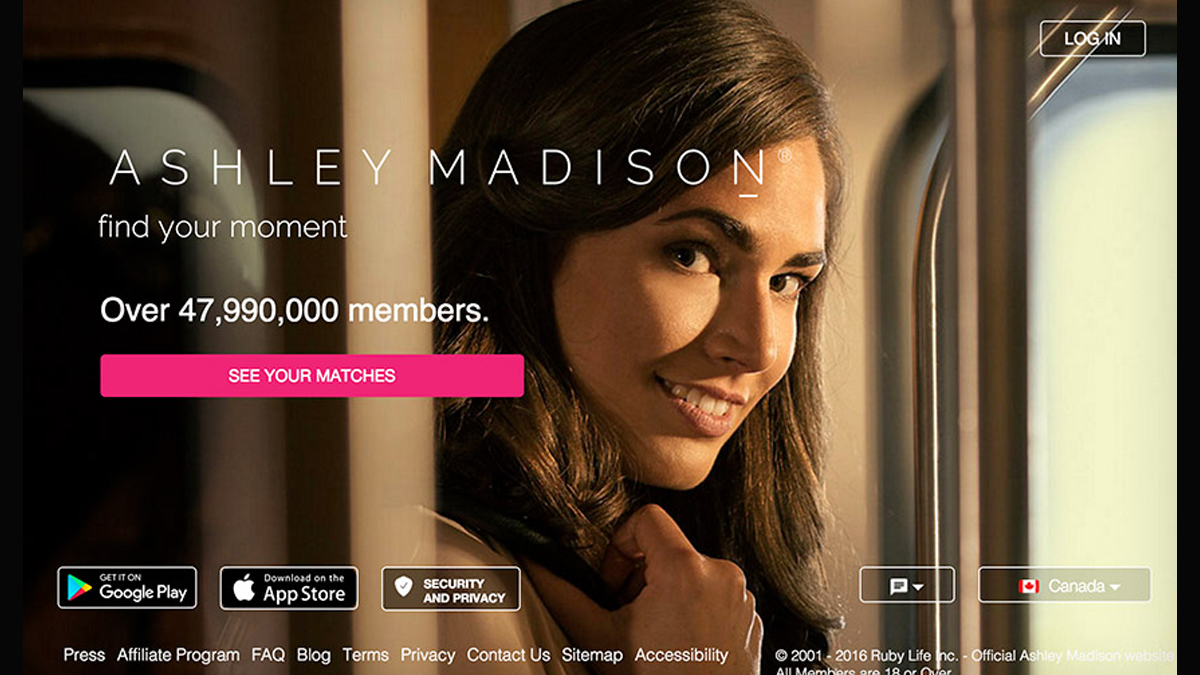
INDIA: Ashley Madison is shedding the “married-dating” label that defined it for two decades, repositioning itself as a platform for discreet dating in what it calls the post-social media age.
The rebrand, unveiled in India on 27 February, 2026, marks a structural shift in business model and identity. Once synonymous with married dating, the company now describes itself as the “premier destination for discreet dating” under a new tagline: Where Desire Meets Discretion.
The pivot is data-driven. Internal figures show that 57 per cent of global sign-ups between 1 January and 31 December, 2025 identified as single: a notable departure from the platform’s married core. The company argues that its community has already evolved beyond its original positioning.

“In an age where our lives have been constantly put on public display, privacy has become the new luxury,” said Ashley Madison chief strategy officer Paul Keable. He framed the platform’s offering as “ethical discretion” for singles, separated, divorced and non-monogamous users seeking private connections.
The shift also taps into wider digital fatigue. A global survey conducted by YouGov for Ashley Madison, covering 13,071 adults across Australia, Brazil, Canada, Germany, India, Italy, Mexico, Spain, Switzerland, the UK and the US, found mounting discomfort with hyper-public online lives.
Among dating app users, 30 per cent cited constant swiping and messaging as a source of fatigue, while 24 per cent pointed to pressure to curate public-facing profiles and early personal disclosure. Some 27 per cent said fears of screenshots or information being shared contributed to exhaustion; an equal share cited unwanted attention.
The retreat from oversharing appears broader. According to the survey, 46 per cent of adults actively try to keep most aspects of their life private online. Only 8 per cent feel comfortable sharing most aspects publicly, while 35 per cent say they are becoming more selective about what they disclose.
Ashley Madison is betting that this cultural recalibration towards controlled visibility can be monetised. By doubling down on privacy infrastructure and reframing itself around discretion rather than infidelity, the company is attempting to convert reputational baggage into a premium proposition.