Applications
Tegic introduces Xda Zinc with XT9 mobile interface

MUMBAI: Tegic communications, a wholly owned subsidiary of America Online (AOL), today announced that O2 – a leading manufacturer of converged mobile devices – has launched the new Xda Zinc with an XT9 mobile interface in India. |
With this joint announcement O2 becomes the first Microsoft Windows mobile device manufacturer to launch a product featuring the XT9 application in India. Besides 3G connectivity, it also offers enhanced efficiency and ease of messaging with a slide-out Qwerty keyboard, 520MHz Intel processor, built-in Wireless LAN and applications like O2 Phone Plus and O2 Message Plus. The XT9 solution enhances the device‘s usability and makes communications easier. By making it simpler to type words and phrases, the XT9 interface makes it easier to enjoy popular content and wireless services such as mobile web browsing, search and messaging on the latest Xda Zinc. |
AOL Mobile senior country manager (India) Mridul Srivastava said, “With the success of the availability of T9 text input our focus is to replicate and further our goal of making text input on PDA mobile phones more simple and fast.” O2‘s Country Manager (India) Myilravanan Nathar said, “India is a vital and exploding market for O2. We are positive that the usability of XT9 mobile interface application, combined with the cutting-edge features of the Xda Zinc, will lead this new technology wave.” T9 text input a character based messaging software, is a flagship product of Tegic and is available in more than 60 languages. By incorporating T9 software into mobile communications products, companies are solving the fundamental problem of how to quickly and easily send mobile messages and browse the Web. |

Applications
With 57 per cent single new users, Ashley Madison rebrands as discreet dating platform
Platform says majority of new members now identify as single
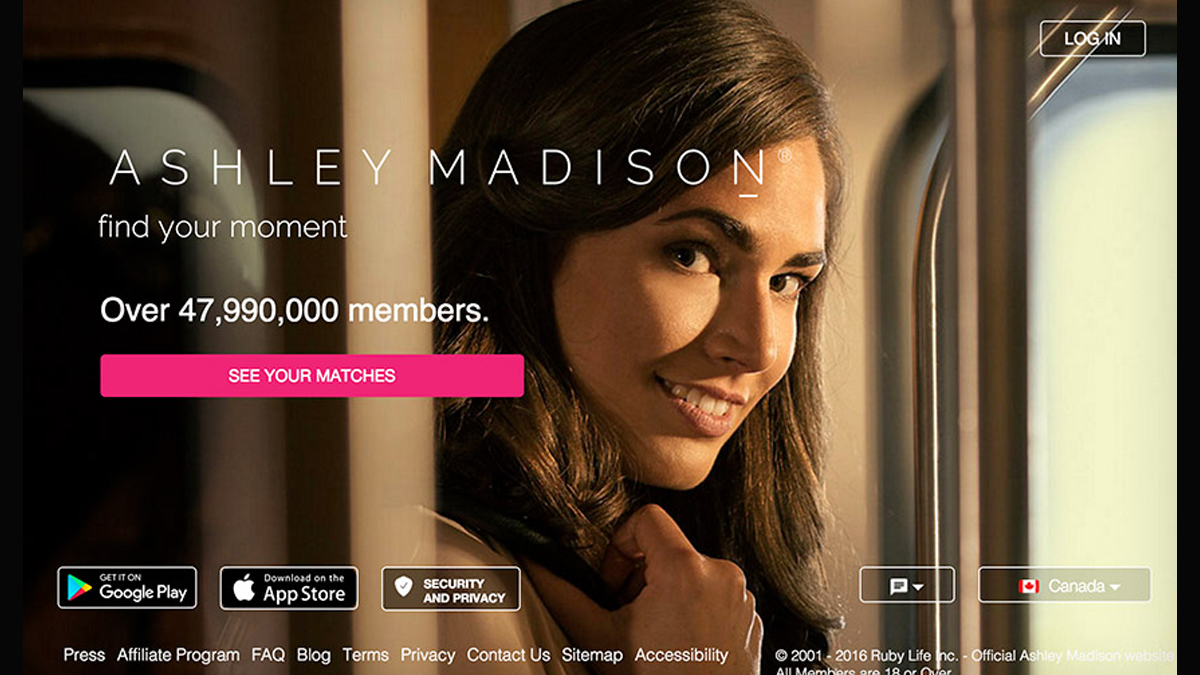
INDIA: Ashley Madison is shedding the “married-dating” label that defined it for two decades, repositioning itself as a platform for discreet dating in what it calls the post-social media age.
The rebrand, unveiled in India on 27 February, 2026, marks a structural shift in business model and identity. Once synonymous with married dating, the company now describes itself as the “premier destination for discreet dating” under a new tagline: Where Desire Meets Discretion.
The pivot is data-driven. Internal figures show that 57 per cent of global sign-ups between 1 January and 31 December, 2025 identified as single: a notable departure from the platform’s married core. The company argues that its community has already evolved beyond its original positioning.

“In an age where our lives have been constantly put on public display, privacy has become the new luxury,” said Ashley Madison chief strategy officer Paul Keable. He framed the platform’s offering as “ethical discretion” for singles, separated, divorced and non-monogamous users seeking private connections.
The shift also taps into wider digital fatigue. A global survey conducted by YouGov for Ashley Madison, covering 13,071 adults across Australia, Brazil, Canada, Germany, India, Italy, Mexico, Spain, Switzerland, the UK and the US, found mounting discomfort with hyper-public online lives.
Among dating app users, 30 per cent cited constant swiping and messaging as a source of fatigue, while 24 per cent pointed to pressure to curate public-facing profiles and early personal disclosure. Some 27 per cent said fears of screenshots or information being shared contributed to exhaustion; an equal share cited unwanted attention.
The retreat from oversharing appears broader. According to the survey, 46 per cent of adults actively try to keep most aspects of their life private online. Only 8 per cent feel comfortable sharing most aspects publicly, while 35 per cent say they are becoming more selective about what they disclose.
Ashley Madison is betting that this cultural recalibration towards controlled visibility can be monetised. By doubling down on privacy infrastructure and reframing itself around discretion rather than infidelity, the company is attempting to convert reputational baggage into a premium proposition.








