Applications
TDSAT admits petition by LCOs wanting right of billing under DAS

NEW DELHI: Cable operators in the state of Maharashtra have got a head start regarding the billing system for cable television under DAS that MSOs are planning to put into effect. The Telecom Disputes Settlement and Appellate Tribunal (TDSAT) has accepted its petition and the case filed by the Nasik District Cable Operators Association of Maharashtra will come up for hearing on 22 November.
Counsel Vikram Singh submitted that while the services were being provided by the local cable operators, the billing was meant to be done by the multi-system operators under the Standards of Quality of Service (Digital Addressable Cable TV Systems) Regulations 2012 of the Telecom Regulatory Authority of India.
TRAI counsel Saket Singh sought to argue that LCOs cannot approach TDSAT as they are not service providers. However, the Bench of Member Kuldip Singh admitted the case for hearing and asked TRAI to file its counter-affidavit.
It has also been stated in the petition that cable TV operations cannot be equated with telecom services since there was only one service provider for mobiles while there were the MSOs and the LCOs in television.
Regulation 14 of the Regulations issued on 14 May 2012 says ‘Every multi-system operator shall offer cable TV services on both pre-paid and post-paid payment options to the subscriber and shall be responsible for generation of bills for the subscribers.’
Regulation 15 says ‘Every multi-system operator either directly or through its linked local cable operator, as the case may be, shall give to every subscriber the bill for charges due and payable by such subscriber for each month or for such other period as agreed between the parties, for which such charges become payable by the subscriber.
The LMOs in Maharashtra have been fighting against the alleged dominance shown by MSOs by imposing restrictions on them as well as dictating terms relating to billing practice. A cable TV blackout was also held in various parts of the state from 6pm to 9pm on 2 October as a sign of protest.

Applications
With 57 per cent single new users, Ashley Madison rebrands as discreet dating platform
Platform says majority of new members now identify as single
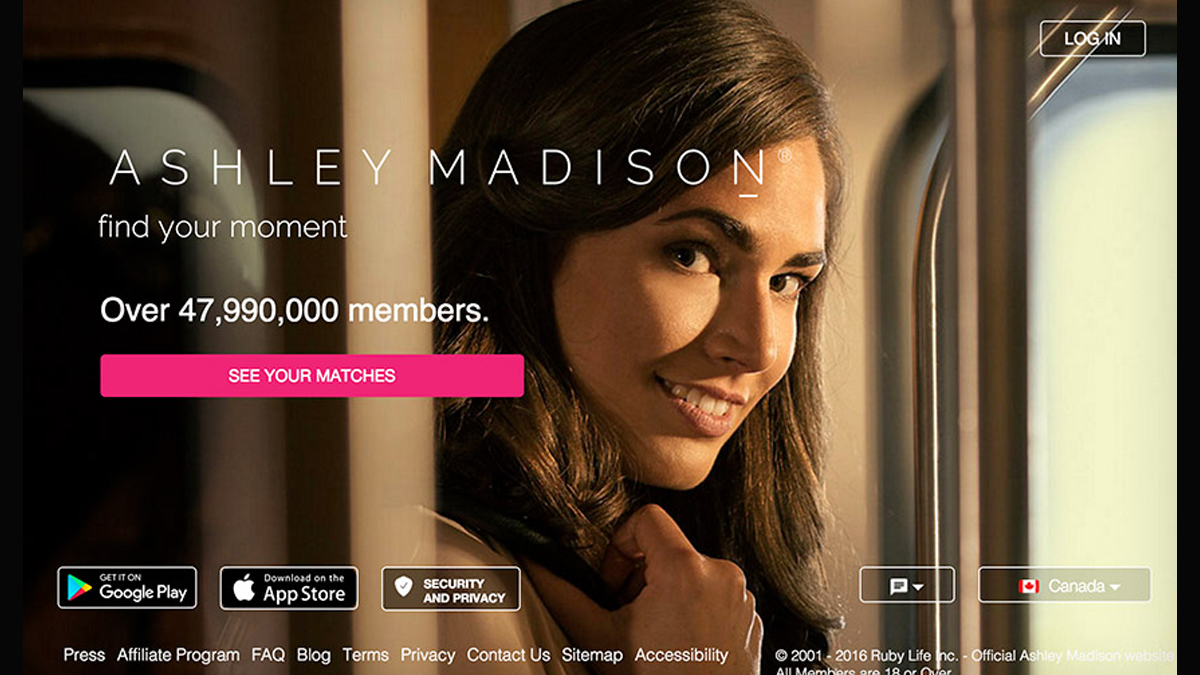
INDIA: Ashley Madison is shedding the “married-dating” label that defined it for two decades, repositioning itself as a platform for discreet dating in what it calls the post-social media age.
The rebrand, unveiled in India on 27 February, 2026, marks a structural shift in business model and identity. Once synonymous with married dating, the company now describes itself as the “premier destination for discreet dating” under a new tagline: Where Desire Meets Discretion.
The pivot is data-driven. Internal figures show that 57 per cent of global sign-ups between 1 January and 31 December, 2025 identified as single: a notable departure from the platform’s married core. The company argues that its community has already evolved beyond its original positioning.

“In an age where our lives have been constantly put on public display, privacy has become the new luxury,” said Ashley Madison chief strategy officer Paul Keable. He framed the platform’s offering as “ethical discretion” for singles, separated, divorced and non-monogamous users seeking private connections.
The shift also taps into wider digital fatigue. A global survey conducted by YouGov for Ashley Madison, covering 13,071 adults across Australia, Brazil, Canada, Germany, India, Italy, Mexico, Spain, Switzerland, the UK and the US, found mounting discomfort with hyper-public online lives.
Among dating app users, 30 per cent cited constant swiping and messaging as a source of fatigue, while 24 per cent pointed to pressure to curate public-facing profiles and early personal disclosure. Some 27 per cent said fears of screenshots or information being shared contributed to exhaustion; an equal share cited unwanted attention.
The retreat from oversharing appears broader. According to the survey, 46 per cent of adults actively try to keep most aspects of their life private online. Only 8 per cent feel comfortable sharing most aspects publicly, while 35 per cent say they are becoming more selective about what they disclose.
Ashley Madison is betting that this cultural recalibration towards controlled visibility can be monetised. By doubling down on privacy infrastructure and reframing itself around discretion rather than infidelity, the company is attempting to convert reputational baggage into a premium proposition.








