Applications
TCS wins Qualcomm wireless reach Brew application funding

MUMBAI: Qualcomm, a developer of code division multiple access (CDMA) technology for mobile communications, has announced the selection of winners for its $ 1 million wireless reach Brew application funding program. The program challenges developers to create the most innovative Brew public service application in one of five areas: healthcare, education, public safety, governance and the environment. The grand prize winner is Tata Consultancy Services (TCS). TCS will receive a grant for $ 100,000 for development of its proposed application. The application development team, led by TCS‘ head of advanced technology and applications, Dr Arun Pande, will demonstrate how CDMA networks can help provide specific and useful advice to farmers and spread the benefits of technology deep into rural India at an affordable cost. For the grand prize, Qualcomm will also apply additional funds to put TCS‘ proposal into action through a new or existing wireless reach project. |
The other grant recipients include Bandung Institute of Technology, Beijing InfoQuick SinoVoice Speech Technology Corp, BeWell Mobile Technology and University of California, Berkeley. |
“Qualcomm is very proud to recognize these organizations and their creative efforts to develop Brew applications that will serve the public interest,” said Qualcomm CEO Dr Paul Jacobs. “The innovative applications they‘ll design hold great potential to enhance the quality of life for all who use them. As mobile broadband services expand into underserved communities, we‘re pleased to support these developers in our shared commitment to improve the way people communicate and access information around the world.”
|

Applications
With 57 per cent single new users, Ashley Madison rebrands as discreet dating platform
Platform says majority of new members now identify as single
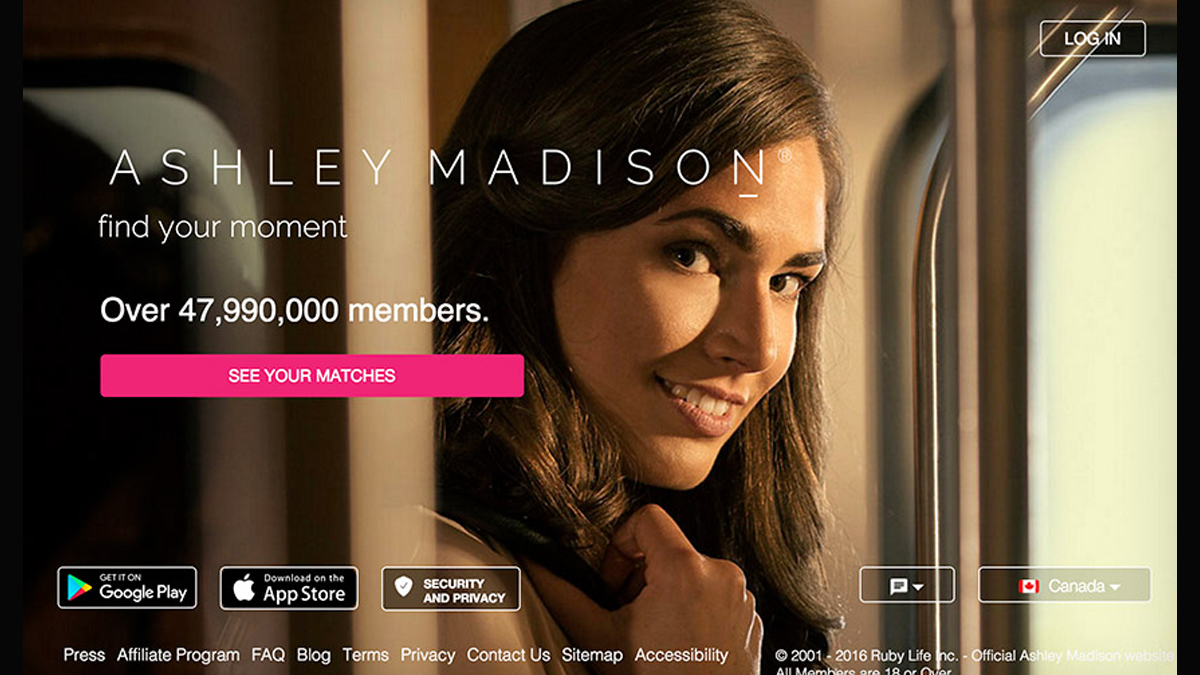
INDIA: Ashley Madison is shedding the “married-dating” label that defined it for two decades, repositioning itself as a platform for discreet dating in what it calls the post-social media age.
The rebrand, unveiled in India on 27 February, 2026, marks a structural shift in business model and identity. Once synonymous with married dating, the company now describes itself as the “premier destination for discreet dating” under a new tagline: Where Desire Meets Discretion.
The pivot is data-driven. Internal figures show that 57 per cent of global sign-ups between 1 January and 31 December, 2025 identified as single: a notable departure from the platform’s married core. The company argues that its community has already evolved beyond its original positioning.

“In an age where our lives have been constantly put on public display, privacy has become the new luxury,” said Ashley Madison chief strategy officer Paul Keable. He framed the platform’s offering as “ethical discretion” for singles, separated, divorced and non-monogamous users seeking private connections.
The shift also taps into wider digital fatigue. A global survey conducted by YouGov for Ashley Madison, covering 13,071 adults across Australia, Brazil, Canada, Germany, India, Italy, Mexico, Spain, Switzerland, the UK and the US, found mounting discomfort with hyper-public online lives.
Among dating app users, 30 per cent cited constant swiping and messaging as a source of fatigue, while 24 per cent pointed to pressure to curate public-facing profiles and early personal disclosure. Some 27 per cent said fears of screenshots or information being shared contributed to exhaustion; an equal share cited unwanted attention.
The retreat from oversharing appears broader. According to the survey, 46 per cent of adults actively try to keep most aspects of their life private online. Only 8 per cent feel comfortable sharing most aspects publicly, while 35 per cent say they are becoming more selective about what they disclose.
Ashley Madison is betting that this cultural recalibration towards controlled visibility can be monetised. By doubling down on privacy infrastructure and reframing itself around discretion rather than infidelity, the company is attempting to convert reputational baggage into a premium proposition.








