Applications
Tata Sky to premiere UTV, Eros movies on PPV channel

MUMBAI: Tata Sky, the direct-to-home (DTH) operator, has signed movie syndication deals with UTV and Eros for two recently released movies from each of them. The deal will see premiere of Kaminey, Agyaat, Chintuji and Vaada Raha…I Promise on Tata Sky’s pay-per-view (PPV) service, Showcase. The movies will be available for whole of the September. Tata Sky CMO Vikram Mehra told Indiantelevision.com, “The idea behind getting recent releases on PPV is to kill piracy, which also helps in monetization for the DTH operator as well as the producer. Also, the middle and upper-middle class family audiences get the luxury of watching a new movie at their leisure.” Movies like Kaminey and Chintuji are available for Rs 75 each per viewing, while Vaada Raha is for Rs 100. Agyaat is available for Rs 50 on the pay-TV operator’s platform. Mehra remained tightlipped about the kind of deal that Tata Sky has signed with the producers. “There are different kinds of deals with different studios. It may include minimum guarantee (MG) as well as revenue sharing.” Vishal Bharadwaj’s Kaminey is a dark comedy showcasing the cunning side of humans to achieve happiness. The lead actors of this film are Shahid Kapoor and Priyanka Chopra. Ram Gopal Verma’s, Agyaat is a thriller and revolves around the realm of fear. A film unit goes for a shoot at a location deep in the forest of Sri Lanka. Each character in this film exhibits their quirkiness, their arrogance and their mixed feelings for each other. Produced by Next Gen Films, Chintuji starring Rishi Kapoor in the lead, swivels around a small town called Hadbahedi which is ignored and in search of its identity viz-a-viz Triphala, its neighboring town. Other characters in the film are portrayed by Priyanshu Chatterjee and Saurabh Shukla. Vaada Raha…I Promise is a tale showcasing the brutal truths of life and how innocence brings joy in a depressing existence. The characters are portrayed by Bobby Deol and Kangana Ranaut.

Applications
With 57 per cent single new users, Ashley Madison rebrands as discreet dating platform
Platform says majority of new members now identify as single
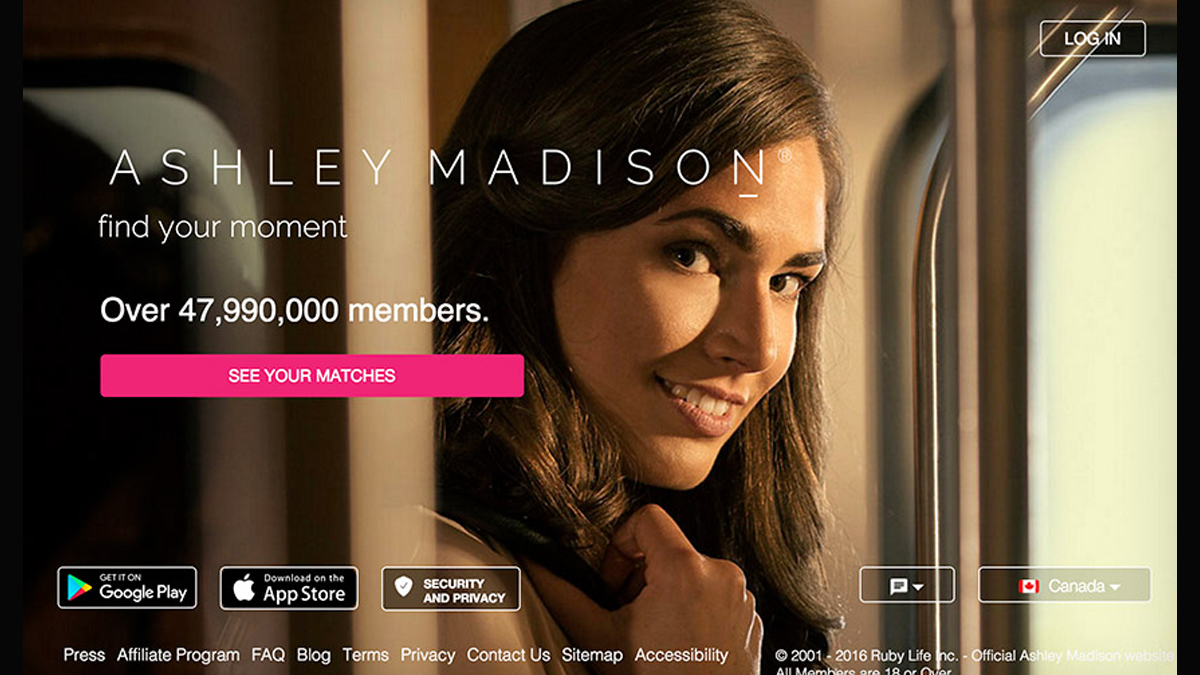
INDIA: Ashley Madison is shedding the “married-dating” label that defined it for two decades, repositioning itself as a platform for discreet dating in what it calls the post-social media age.
The rebrand, unveiled in India on 27 February, 2026, marks a structural shift in business model and identity. Once synonymous with married dating, the company now describes itself as the “premier destination for discreet dating” under a new tagline: Where Desire Meets Discretion.
The pivot is data-driven. Internal figures show that 57 per cent of global sign-ups between 1 January and 31 December, 2025 identified as single: a notable departure from the platform’s married core. The company argues that its community has already evolved beyond its original positioning.

“In an age where our lives have been constantly put on public display, privacy has become the new luxury,” said Ashley Madison chief strategy officer Paul Keable. He framed the platform’s offering as “ethical discretion” for singles, separated, divorced and non-monogamous users seeking private connections.
The shift also taps into wider digital fatigue. A global survey conducted by YouGov for Ashley Madison, covering 13,071 adults across Australia, Brazil, Canada, Germany, India, Italy, Mexico, Spain, Switzerland, the UK and the US, found mounting discomfort with hyper-public online lives.
Among dating app users, 30 per cent cited constant swiping and messaging as a source of fatigue, while 24 per cent pointed to pressure to curate public-facing profiles and early personal disclosure. Some 27 per cent said fears of screenshots or information being shared contributed to exhaustion; an equal share cited unwanted attention.
The retreat from oversharing appears broader. According to the survey, 46 per cent of adults actively try to keep most aspects of their life private online. Only 8 per cent feel comfortable sharing most aspects publicly, while 35 per cent say they are becoming more selective about what they disclose.
Ashley Madison is betting that this cultural recalibration towards controlled visibility can be monetised. By doubling down on privacy infrastructure and reframing itself around discretion rather than infidelity, the company is attempting to convert reputational baggage into a premium proposition.