Applications
Structural changes, digitisation needed for Indian television to mature

MUMBAI: Structural development and incentives for digitisation of cable are necessary if the Indian television industry is to mature according to international standards.
Channels also need to reduce their dependence on ad revenues as some of this may migrate to online space in coming years. Greater investment is also needed in content and non linear services.
These were some of the points made during a session on ‘Through The Looking Glass: Has Indian television matured?’ at Ficci Frames.
BBC Worldwide Channels MD Darren Childs, Turner Broadcasting System International President Louise Sams, UTV Global Broadcasting CEO M.K. Anand and Absolutely Independent CEO Patty Genesis spoke at the session moderated by Indiantelevision.com founder, CEO and editor in chief Anil Wanvari.
Childs said many channels had to pay carriage fees due to the analogue structure and so broadcasters were being forced to divert budgets meant for content.
In the US, the broadcaster gets around 40 per cent of the subscription revenue while in India it is only 15 per cent. Indian channels have to find a way to reduce their dependence on advertising. In the US, 20 per cent of ad budgets have been diverted towards new media. That could happen in India as well in a few years.
At the same time, TV channels have to develop brands that can travel to non-linear media as well as catch viewers who have migrated. Childs felt that the BBC could have made a bigger push in the previous decade when there was a boom in Indian television. Now it is trying to find the right place for its channels.
Genesis said TV formats have to think beyond the idiot box if they want to make money. Anand said it was easier for niche channels like Discovery and MTV to own non-linear content and build a brand that is bigger than what is being seen on television, and this will help them make better ad revenue as compared to mass channels.
He reiterated what Childs said about ad leakage happening for traditional media. “The key lies in branding media experiences. This will allow channels to move from the TV to the net to the mobile. In the future, the distribution pipe owners will be the movers and shakers. Broadcasters could become a part of distribution companies.” He noted that Indian TV had not matured as very few channels were making money. However, they are more likely to morph than mature, he added.
Channels that are making money include Cartoon Network and Pogo, claimed Sams who said Turner’s largest investment last year was in India. At the same time, she felt foreign media companies needed to have patience, persistence and flexibility to succeed abroad. She was bullish on Imagine TV, recently acquired from NDTV. As far as the Indian TV industry was concerned, she said there was need to keep an eye on technological developments in the West. While online video platforms are growing, there is a question mark over how they can generate revenue. She said this was because the youth were used to getting free content online in India unlike in the US.

Applications
With 57 per cent single new users, Ashley Madison rebrands as discreet dating platform
Platform says majority of new members now identify as single
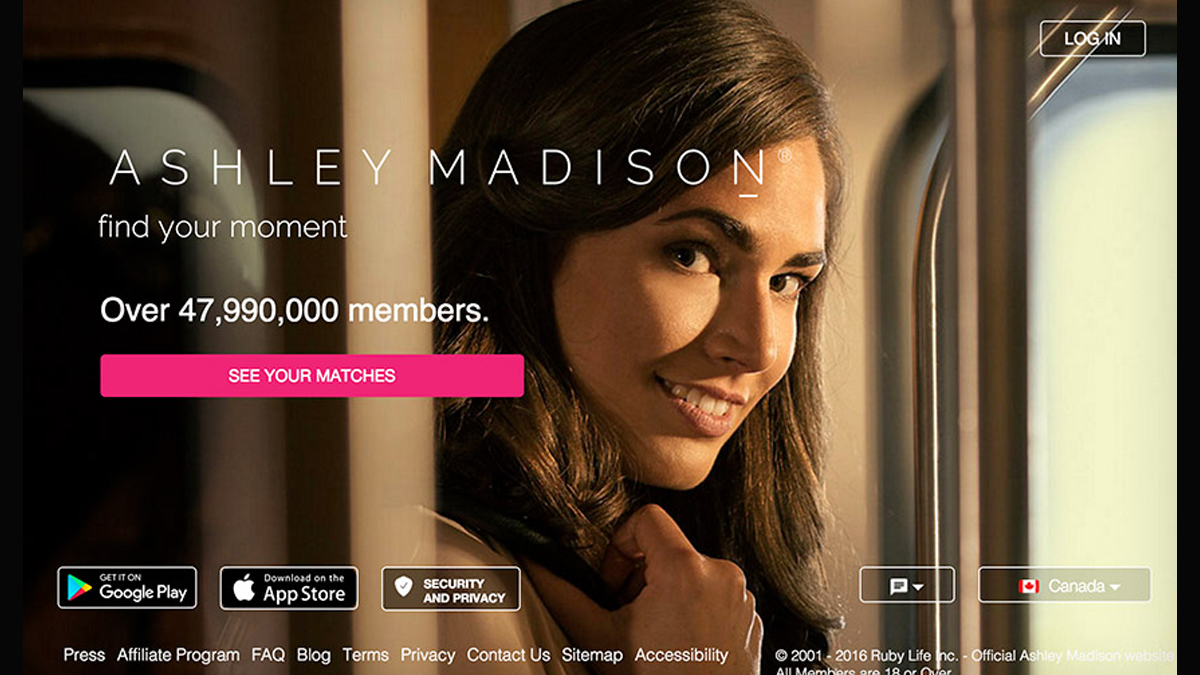
INDIA: Ashley Madison is shedding the “married-dating” label that defined it for two decades, repositioning itself as a platform for discreet dating in what it calls the post-social media age.
The rebrand, unveiled in India on 27 February, 2026, marks a structural shift in business model and identity. Once synonymous with married dating, the company now describes itself as the “premier destination for discreet dating” under a new tagline: Where Desire Meets Discretion.
The pivot is data-driven. Internal figures show that 57 per cent of global sign-ups between 1 January and 31 December, 2025 identified as single: a notable departure from the platform’s married core. The company argues that its community has already evolved beyond its original positioning.

“In an age where our lives have been constantly put on public display, privacy has become the new luxury,” said Ashley Madison chief strategy officer Paul Keable. He framed the platform’s offering as “ethical discretion” for singles, separated, divorced and non-monogamous users seeking private connections.
The shift also taps into wider digital fatigue. A global survey conducted by YouGov for Ashley Madison, covering 13,071 adults across Australia, Brazil, Canada, Germany, India, Italy, Mexico, Spain, Switzerland, the UK and the US, found mounting discomfort with hyper-public online lives.
Among dating app users, 30 per cent cited constant swiping and messaging as a source of fatigue, while 24 per cent pointed to pressure to curate public-facing profiles and early personal disclosure. Some 27 per cent said fears of screenshots or information being shared contributed to exhaustion; an equal share cited unwanted attention.
The retreat from oversharing appears broader. According to the survey, 46 per cent of adults actively try to keep most aspects of their life private online. Only 8 per cent feel comfortable sharing most aspects publicly, while 35 per cent say they are becoming more selective about what they disclose.
Ashley Madison is betting that this cultural recalibration towards controlled visibility can be monetised. By doubling down on privacy infrastructure and reframing itself around discretion rather than infidelity, the company is attempting to convert reputational baggage into a premium proposition.






