Applications
Samsung launches Slim QWerty Smartphone

MUMBAI: TSamsung Electronics Co., Ltd., a leading provider and innovator of mobile phones, announced its launch of the SGH-i320, new Slim QWerty Smartphone, signaling the company’s drive to the smartphone market.
The Samsung i320 is a super-slim bar type handset, measuring just 11.5mm in depth and 95g in weight with an easy-to-use Qwerty keyboard. The keyboard has the same keyboard layout used in personal computers, enabling users to send emails and text messages far more conveniently; such a fun and simple methodology proved to be a huge success amongst consumers in the US and Europe.
The i320 operates with ‘Windows Mobile 5.0 Smartphone Operating System’ to provide users with a familiar interface that is easy to navigate and use. It allows users to write and store texts, exchange emails in real-time, type memos and more.
Functions supported by this ultra-thin mobile are especially useful for users who want to chat, read, and send emails from their mobiles. The i320 features an imbedded instant messaging program and ‘mobile mail’ functions to enable users to send and receive photos, music and a variety of multi-media messages.
The phone has a 2.2 inches LCD screen with 1.3 mega-pixel resolution camera, along with multi-media entertainment functions such as Bluetooth and high-quality dual speakers.
Samsung says that the product is perfect for users who want to have all of the advanced features of a smartphone in a light and slim package for convenience and style.
Samsung’s Telecommunications Network Business president Kitae Lee said, “The trend and popularity of slim phones will be carried over to the smartphone market. Samsung will lead the trend of smartphones by combining its cutting-edge technology and sleek ultra-slim designs.”
The SGH-i320 will be launched in Europe this month. The following launches will take place throughout the rest of Europe and South East Asia shortly.

Applications
With 57 per cent single new users, Ashley Madison rebrands as discreet dating platform
Platform says majority of new members now identify as single
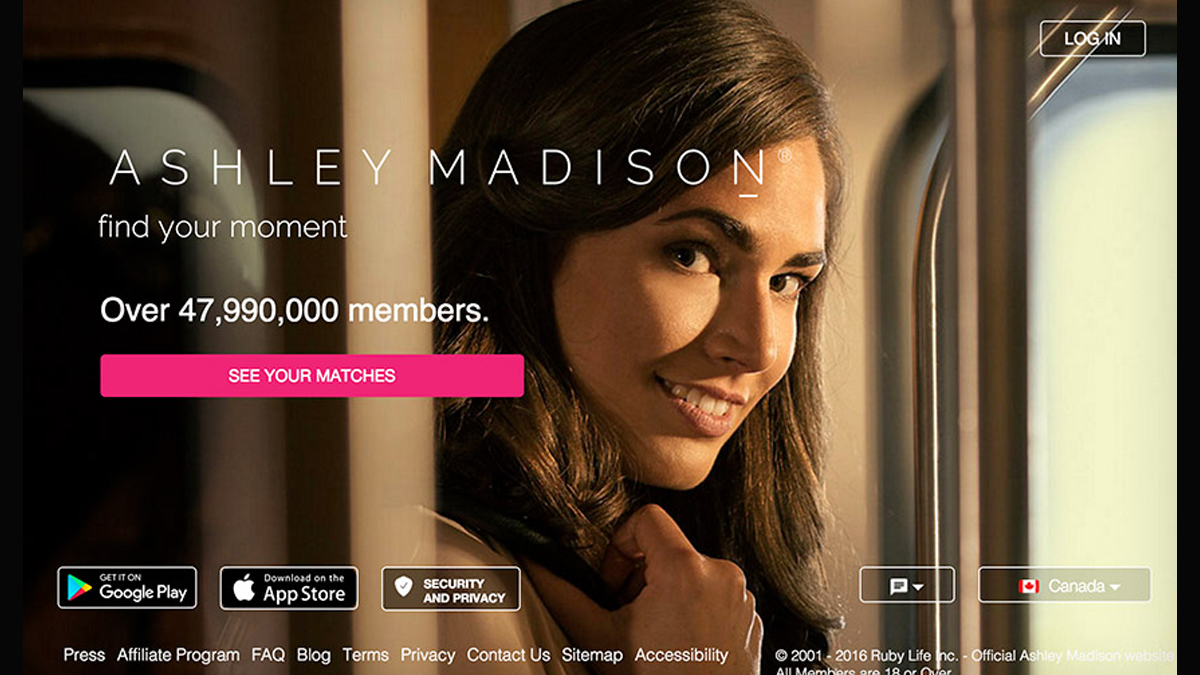
INDIA: Ashley Madison is shedding the “married-dating” label that defined it for two decades, repositioning itself as a platform for discreet dating in what it calls the post-social media age.
The rebrand, unveiled in India on 27 February, 2026, marks a structural shift in business model and identity. Once synonymous with married dating, the company now describes itself as the “premier destination for discreet dating” under a new tagline: Where Desire Meets Discretion.
The pivot is data-driven. Internal figures show that 57 per cent of global sign-ups between 1 January and 31 December, 2025 identified as single: a notable departure from the platform’s married core. The company argues that its community has already evolved beyond its original positioning.

“In an age where our lives have been constantly put on public display, privacy has become the new luxury,” said Ashley Madison chief strategy officer Paul Keable. He framed the platform’s offering as “ethical discretion” for singles, separated, divorced and non-monogamous users seeking private connections.
The shift also taps into wider digital fatigue. A global survey conducted by YouGov for Ashley Madison, covering 13,071 adults across Australia, Brazil, Canada, Germany, India, Italy, Mexico, Spain, Switzerland, the UK and the US, found mounting discomfort with hyper-public online lives.
Among dating app users, 30 per cent cited constant swiping and messaging as a source of fatigue, while 24 per cent pointed to pressure to curate public-facing profiles and early personal disclosure. Some 27 per cent said fears of screenshots or information being shared contributed to exhaustion; an equal share cited unwanted attention.
The retreat from oversharing appears broader. According to the survey, 46 per cent of adults actively try to keep most aspects of their life private online. Only 8 per cent feel comfortable sharing most aspects publicly, while 35 per cent say they are becoming more selective about what they disclose.
Ashley Madison is betting that this cultural recalibration towards controlled visibility can be monetised. By doubling down on privacy infrastructure and reframing itself around discretion rather than infidelity, the company is attempting to convert reputational baggage into a premium proposition.