Applications
Rosenblum, Silverman to speak at NAB Show

MUMBAI: The upcoming 2012 NAB Show, the annual conference and expo for professionals who create, manage and distribute entertainment across all platforms, will have Warner Bros. Television Group (WBTVG) president, newly sworn in chairman/CEO of the Academy of Television Arts & Sciences Bruce Rosenblum and multimedia studio Electus founder and chairman Ben Silverman, deliver a speech respectively.
The 2012 NAB Show takes place April 14-19, in Las Vegas, Nevada.
While Rosenblum will be a featured 2012 NAB Show Super Session, Ben Silverman will deliver the keynote address to the Disruptive Media Conference.
“Bruce Rosenblum and Ben Silverman are leaders in the television industry, consistently creating and shaping the major trends impacting the media landscape,” Chris Brown, executive vice president, Conventions & Business Operations for NAB has been reported to have said. “Our attendees expect to hear from industry leaders when they attend NAB Show, and we are very pleased tohost these two visionary executives,” he added.
A 25-year veteran of the film studio, Rosenblum was named president of the Warner Bros. Television Group in 2005 where he oversees the industry‘s leading television operation, including worldwide production (network, cable, syndication and animation), traditional and digital distribution and broadcasting.
WBTVG, which has been the leading supplier to the broadcast networks for 18 out of the last 21 years, is producing nearly 50 series including Two and a Half Men, The Big Bang Theory, The Mentalist, The Closer, The Voice and Ellen.
Silverman is the founder and chairman of multimedia studio Electus, which unites producers, creators, advertisers and distributors under one roof to produce all forms of content for distribution across a variety of platforms around the world.
He is executive producer of the Emmy Award-winning NBC comedy The Office, the Golden Globe-winning comedy Ugly Betty and is co-creator and executive producer of the reality show The Biggest Loser for NBC and executive producer for the hit scripted series The Tudors on Showtime. Prior to launching the new media venture with IAC, Silverman served as co-chairman, NBC Entertainment and Universal Media Studios.
Every year, the NAB Show hosts several different conferences offering educational opportunities to its attendees. NAB Show Super Sessions offer high-level perspective on the trends and technologies impacting the future of entertainment and media.

Applications
With 57 per cent single new users, Ashley Madison rebrands as discreet dating platform
Platform says majority of new members now identify as single
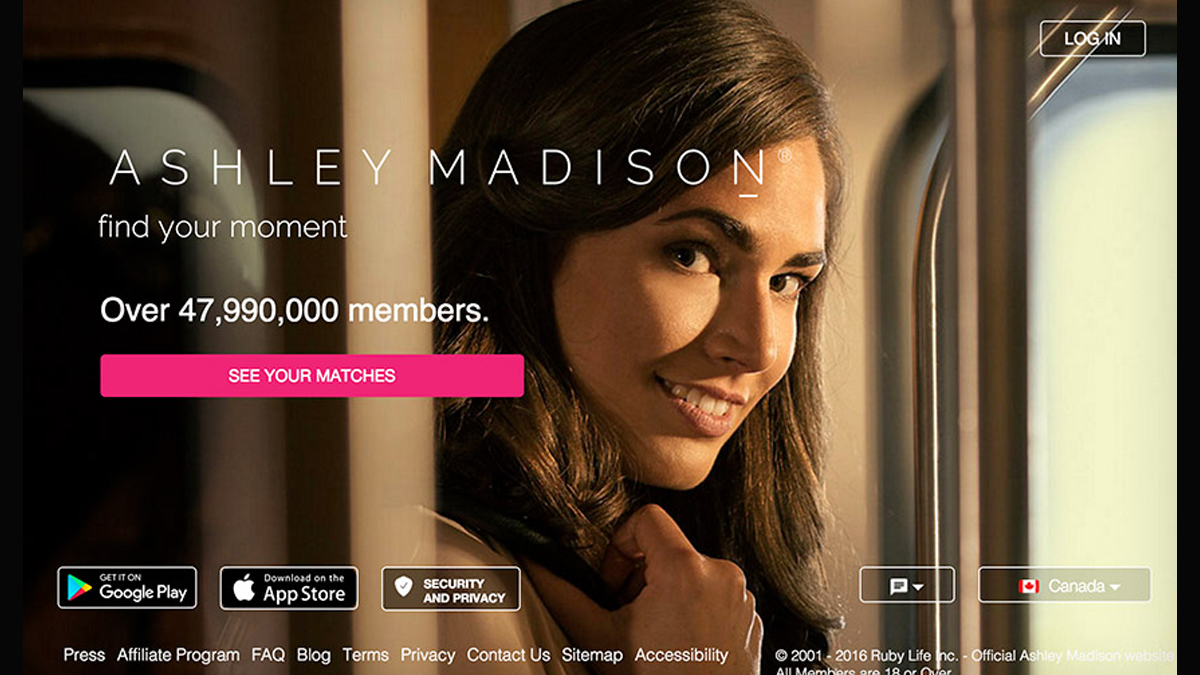
INDIA: Ashley Madison is shedding the “married-dating” label that defined it for two decades, repositioning itself as a platform for discreet dating in what it calls the post-social media age.
The rebrand, unveiled in India on 27 February, 2026, marks a structural shift in business model and identity. Once synonymous with married dating, the company now describes itself as the “premier destination for discreet dating” under a new tagline: Where Desire Meets Discretion.
The pivot is data-driven. Internal figures show that 57 per cent of global sign-ups between 1 January and 31 December, 2025 identified as single: a notable departure from the platform’s married core. The company argues that its community has already evolved beyond its original positioning.

“In an age where our lives have been constantly put on public display, privacy has become the new luxury,” said Ashley Madison chief strategy officer Paul Keable. He framed the platform’s offering as “ethical discretion” for singles, separated, divorced and non-monogamous users seeking private connections.
The shift also taps into wider digital fatigue. A global survey conducted by YouGov for Ashley Madison, covering 13,071 adults across Australia, Brazil, Canada, Germany, India, Italy, Mexico, Spain, Switzerland, the UK and the US, found mounting discomfort with hyper-public online lives.
Among dating app users, 30 per cent cited constant swiping and messaging as a source of fatigue, while 24 per cent pointed to pressure to curate public-facing profiles and early personal disclosure. Some 27 per cent said fears of screenshots or information being shared contributed to exhaustion; an equal share cited unwanted attention.
The retreat from oversharing appears broader. According to the survey, 46 per cent of adults actively try to keep most aspects of their life private online. Only 8 per cent feel comfortable sharing most aspects publicly, while 35 per cent say they are becoming more selective about what they disclose.
Ashley Madison is betting that this cultural recalibration towards controlled visibility can be monetised. By doubling down on privacy infrastructure and reframing itself around discretion rather than infidelity, the company is attempting to convert reputational baggage into a premium proposition.






