Applications
Reuters teams with YouTube to launch Reuters TV Channel

MUMBAI: News agency Reuters has announced the launch of Reuters TV, a new YouTube channel featuring 10 news, commentary and analysis programmes covering hard news, finance, politics, technology and special Reuters investigations.
The programming, which will appear on Reuters.com and on Reuters redesigned YouTube channel, marks Reuters entry into the rapidly growing business of online video programming, in partnership with one of the biggest players in next-generation TV, YouTube.
Reuters is employing a creative editing style that is suited for Internet programming and does not mimic traditional TV.
Reuters global head of programming Dan Colarusso said, “This deal with YouTube gives Reuters a way to showcase our collection of talented journalists and compelling video from around the world. It will offer unique insights and images that other media companies simply can’t match”
Reuters claims to be the biggest news provider among the nearly 100 partners YouTube is working with as it creates original Internet-based programming and reinvents itself as a channel-based video site.
The new shows were developed by television news veteran and Reuters global executive producer Barclay Palmer. They highlight a high-energy, high-quality production style that is unique to any business news broadcasts on traditional television.
The 10 programmes will feature highly produced reports and commentary from many of Reuters award-winning, nearly 3,000 journalists around the world:
* Reuters Investigates, featuring investigative journalism and special reports from around the world, in coordination with Reuters award-winning Enterprise unit;
* The Trail, with Reuters political reporters covering the presidential candidates on the campaign trail;
* Felix TV, with Reuters finance blogger Felix Salmon, named by Time magazine one of the Top 25 financial bloggers;
* Media Bite, featuring Peter Lauria, editor of technology, media & telecommunications, and his team of reporters covering a media world experiencing massive change;
* Tech Tonic, with Anthony De Rosa, Reuters Digital’s social media editor, dubbed by The New York Times “the undisputed king of Tumblr”;
* Freeland File, with Reuters Digital editor Chrystia Freeland interviewing top newsmakers;
* Fast Forward, hosted by Chrystia Freeland and featuring Reuters’ top commentators and journalists, including David Rohde, Reuters columnist, author and two-time winner of the Pulitzer Prize; Rob Cox, US editor of Breakingviews; Bethany McLean, Reuters columnist, Vanity Fair contributor and author; David Cay Johnston, tax expert, author and Pulitzer Prize winner; Geraldine Fabrikant, Reuters columnist, senior writer for The New York Times and winner of the Loeb Award; Steven Brill, Reuters columnist, author and founder of the Yale Journalism Initiative; Ian Bremmer, President of the Eurasia Group; James Ledbetter, Reuters Op-ed editor and author;
* Money Clip, with Lauren Young, personal finance editor and former editor at BusinessWeek and SmartMoney;
* Rough Cuts, with Jen Rogers, showcasing the remarkable news video that Reuters video journalists shoot around the world, allowing viewers to see and hear that video in greater depth than most television networks can offer;
* Decoder, explaining in succinct and surprising ways the key topics in the news, ranging from the debt ceiling to the Strait of Hormuz.
The programming will open with Chrystia Freeland’s exclusive interview with Mikhail Prokhorov, the Russian billionaire and sportsman who has made the controversial announcement that he is running for president in Russia, challenging Vladimir Putin.
Reuters.com claims to get at least 40 million unique visitors around the world monthly and is the fourth most trafficked business-news website. YouTube gets more than three billion hits per day.

Applications
With 57 per cent single new users, Ashley Madison rebrands as discreet dating platform
Platform says majority of new members now identify as single
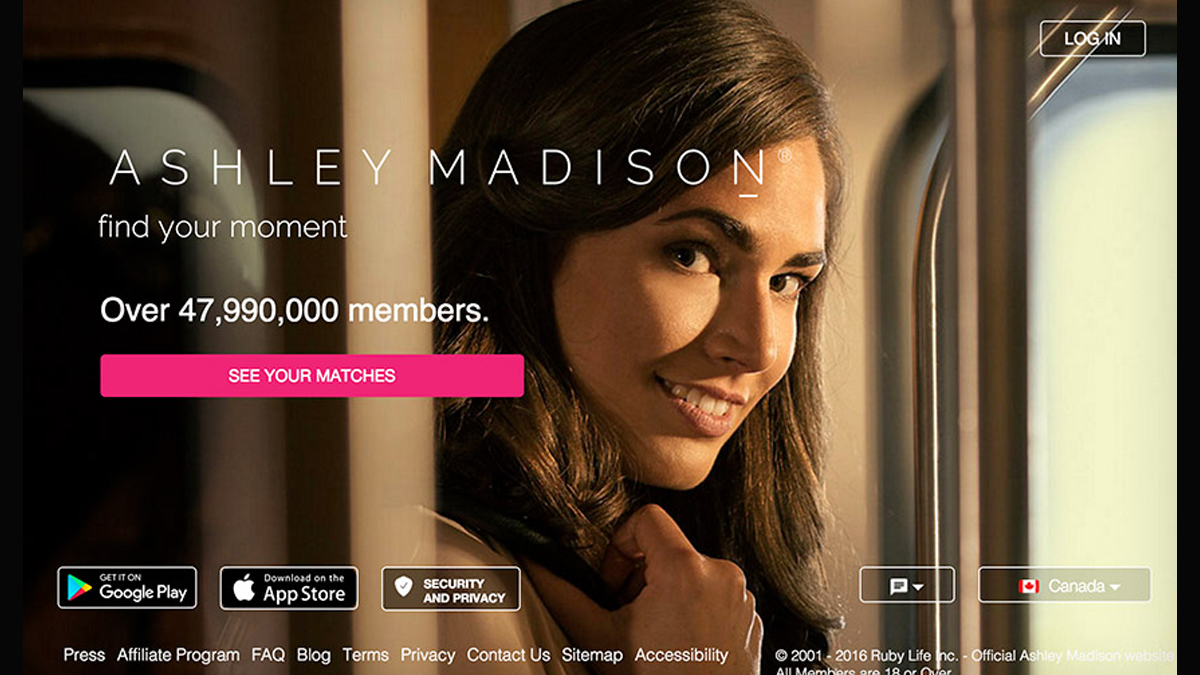
INDIA: Ashley Madison is shedding the “married-dating” label that defined it for two decades, repositioning itself as a platform for discreet dating in what it calls the post-social media age.
The rebrand, unveiled in India on 27 February, 2026, marks a structural shift in business model and identity. Once synonymous with married dating, the company now describes itself as the “premier destination for discreet dating” under a new tagline: Where Desire Meets Discretion.
The pivot is data-driven. Internal figures show that 57 per cent of global sign-ups between 1 January and 31 December, 2025 identified as single: a notable departure from the platform’s married core. The company argues that its community has already evolved beyond its original positioning.

“In an age where our lives have been constantly put on public display, privacy has become the new luxury,” said Ashley Madison chief strategy officer Paul Keable. He framed the platform’s offering as “ethical discretion” for singles, separated, divorced and non-monogamous users seeking private connections.
The shift also taps into wider digital fatigue. A global survey conducted by YouGov for Ashley Madison, covering 13,071 adults across Australia, Brazil, Canada, Germany, India, Italy, Mexico, Spain, Switzerland, the UK and the US, found mounting discomfort with hyper-public online lives.
Among dating app users, 30 per cent cited constant swiping and messaging as a source of fatigue, while 24 per cent pointed to pressure to curate public-facing profiles and early personal disclosure. Some 27 per cent said fears of screenshots or information being shared contributed to exhaustion; an equal share cited unwanted attention.
The retreat from oversharing appears broader. According to the survey, 46 per cent of adults actively try to keep most aspects of their life private online. Only 8 per cent feel comfortable sharing most aspects publicly, while 35 per cent say they are becoming more selective about what they disclose.
Ashley Madison is betting that this cultural recalibration towards controlled visibility can be monetised. By doubling down on privacy infrastructure and reframing itself around discretion rather than infidelity, the company is attempting to convert reputational baggage into a premium proposition.






