Applications
Reckitt Benckiser launches online games

MUMBAI: Global consumer products giant Reckitt Benckiser (RB), the parent of Clearasil, Durex, Dettol, Harpic, Lizol, Veet and Mortien, has announced the launch of a collection of online and mobile minigames called crazieRBrands.
These games are available on RB.com and players have the opportunity to win an exciting and unforgettable trip for two, worth nearly ?8,000, to one of eight destinations worldwide – India, New York, Cape Town, Bangkok, Barcelona , Switzerland, Iceland or Brazil.
The selection of eight mini games in the crazieRBrands suite includes fast action and memory games presented by some of RB‘s most famous Powerbrands. The Veet game lends an air of humour to the leg-waxing task and even cleaning a toilet bowl is rendered fun when playing the game.
Each of the crazieRBrands games rewards the player with the sense of achievement that comes with being at the top of their mental game – in addition to the potential to win a trip for two.
The online and mobile crazieRBrands games are designed to raise awareness of RB‘s corporate brand among students and graduates early in their career, by improving recall of the RB brand and tying it back to its iconic, innovative Powerbrands such as Dettol, Harpic, Veet, Lizol, Durex and Clearasil. The games aim at further increasing the recall with the RB Brand.
RB continues to enhance its online and mobile gaming platforms due to the games‘ success to-date as a fun and informal way to engage graduates and early-careerists with the RB corporate brand.
The crazieRBrands suite of games is available on iPhone and Android, putting RB squarely in the sweet-spot of its target demographic. Indeed, roughly 70 per cent of this young careerist demographic owns a smart phone, and 81 per cent of them play mobile games on a weekly basis.
The games are available on www.rb.com/crazierbrands and are supported by a social media seeding strategy which targets relevant gaming portals, news groups and communities. In order to start playing and enter to win the amazing global adventure, participants simply need to leave their score on the leaderboard and enter themselves into the prize draw.
Reckitt Benckiser (India)chairman, MD Chander Mohan Sethi said, “RB as a business is very fast paced and a very dynamic place to work at. We have a unique culture that‘s most suitable for young professionals who enjoy quick decision making, coupled with a fast-paced and agile environment. To continue our rapid growth we are always looking for innovative ways to make ourselves better known among the next generation of managers. These games are a great idea to help people make the connection with RB and the speed at which our business operates.”
The crazierBRands games and mobile app have been developed in partnership with The Workroom and social media agency Tamba.

Applications
With 57 per cent single new users, Ashley Madison rebrands as discreet dating platform
Platform says majority of new members now identify as single
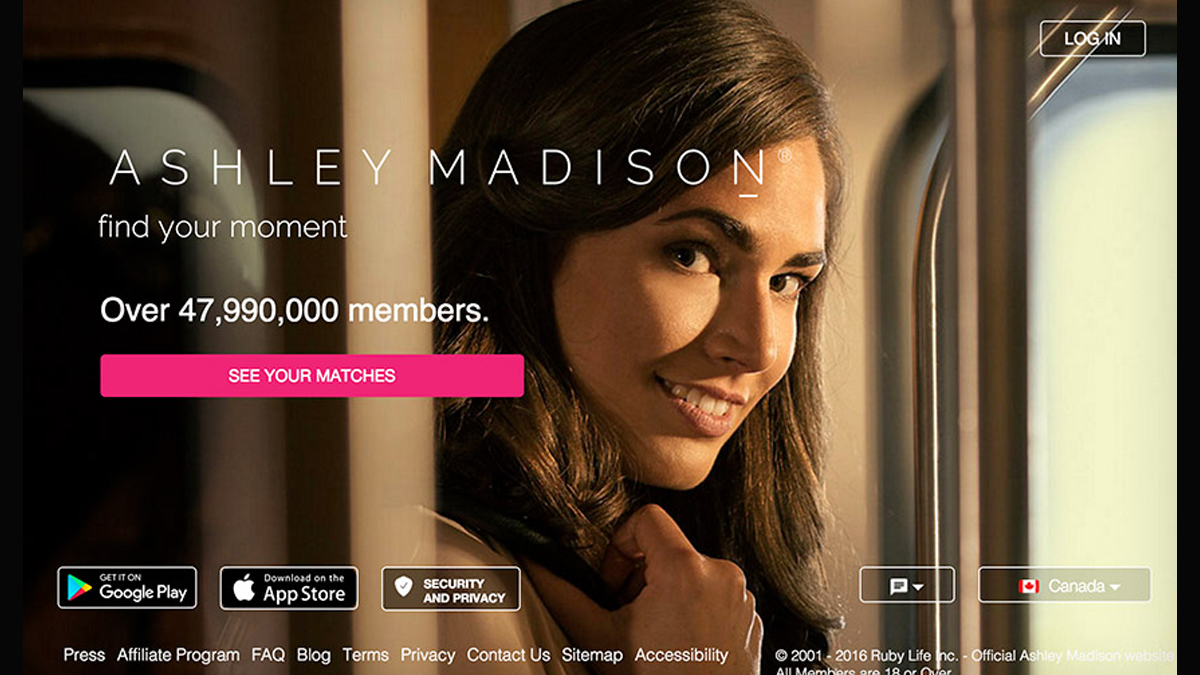
INDIA: Ashley Madison is shedding the “married-dating” label that defined it for two decades, repositioning itself as a platform for discreet dating in what it calls the post-social media age.
The rebrand, unveiled in India on 27 February, 2026, marks a structural shift in business model and identity. Once synonymous with married dating, the company now describes itself as the “premier destination for discreet dating” under a new tagline: Where Desire Meets Discretion.
The pivot is data-driven. Internal figures show that 57 per cent of global sign-ups between 1 January and 31 December, 2025 identified as single: a notable departure from the platform’s married core. The company argues that its community has already evolved beyond its original positioning.

“In an age where our lives have been constantly put on public display, privacy has become the new luxury,” said Ashley Madison chief strategy officer Paul Keable. He framed the platform’s offering as “ethical discretion” for singles, separated, divorced and non-monogamous users seeking private connections.
The shift also taps into wider digital fatigue. A global survey conducted by YouGov for Ashley Madison, covering 13,071 adults across Australia, Brazil, Canada, Germany, India, Italy, Mexico, Spain, Switzerland, the UK and the US, found mounting discomfort with hyper-public online lives.
Among dating app users, 30 per cent cited constant swiping and messaging as a source of fatigue, while 24 per cent pointed to pressure to curate public-facing profiles and early personal disclosure. Some 27 per cent said fears of screenshots or information being shared contributed to exhaustion; an equal share cited unwanted attention.
The retreat from oversharing appears broader. According to the survey, 46 per cent of adults actively try to keep most aspects of their life private online. Only 8 per cent feel comfortable sharing most aspects publicly, while 35 per cent say they are becoming more selective about what they disclose.
Ashley Madison is betting that this cultural recalibration towards controlled visibility can be monetised. By doubling down on privacy infrastructure and reframing itself around discretion rather than infidelity, the company is attempting to convert reputational baggage into a premium proposition.






