Applications
Radio stations need to tap new media

SINGAPORE: Traditional radio stations cannot afford to ignore digitilisation. At the same time they should embrace new media rather than fight it. Unique personality and branding are the other essential ingredients for radio stations to imbibe. At one session of the Radio Asia Forum at BroadcastAsia in Singapore, MediaCorp Radio’s Mark Richmond dwelt on how the youth stations could tap new media to make better radio. “Also a station needs personality. So the branding should have key words that listeners can easily relate to. For our station, we decided to be cheeky, creative, informative, energetic and personalized. It also helps if stations focus on local musicians. So stations should get in touch with local musicians. Sometimes you can do an exclusive deal with undiscovered talent.” He gave the example of Don and Drew who have now become popular abroad through podcasts. The station owns the copyright to their songs. The group even did a cheeky song about the scare of dengue fever in Singapore. Also new media means that stations have to focus on product selling as opposed to just the feeling. “With listeners getting more empowered, stations should look to put listeners on-air as much as possible. Those listeners will then blog about it and give the station free publicity. The station can then approach the advertisers and tell them to check out the blogs. That would be proof that users are tuning in. “The station has a user control session on Sunday morning. DJs should also be blogging. Stations should have a Youtube account. A station should always take advantage of anything free on new media. What we did once was to have contest asking users to create a TVC. The winning entry was shown on Youtube and the winner got $15,000 which was the marketing budget.” European Broadcasting Union Radio News & Sport’s Michel Mullane says that now radio stations are pursuing listeners online. They have to do that as the young generation is increasingly going online. Stations are now engaging in conversation as opposed to earlier when they would take feedback and laugh. Online stations can make podcasts interactive through voice messaging software like Odeo. Stations are now going online without losing their core strengths. Station should have their own branded channel on Youtube. They can post photos of their operations of Flickr. A blog post on Youtube can have videos of DJs working which is what BBC Five Live is doing in the UK. They filmed episodes of their film review programme and pasted it online. They also had clips of the films being reviewed.
He says that his station Radio 98.7 FM learnt the hard way about the importance of the internet. “Our ratings went down a year ago as listeners felt that our site was not user friendly. A site is not an extension of the station. It is the station.

Applications
With 57 per cent single new users, Ashley Madison rebrands as discreet dating platform
Platform says majority of new members now identify as single
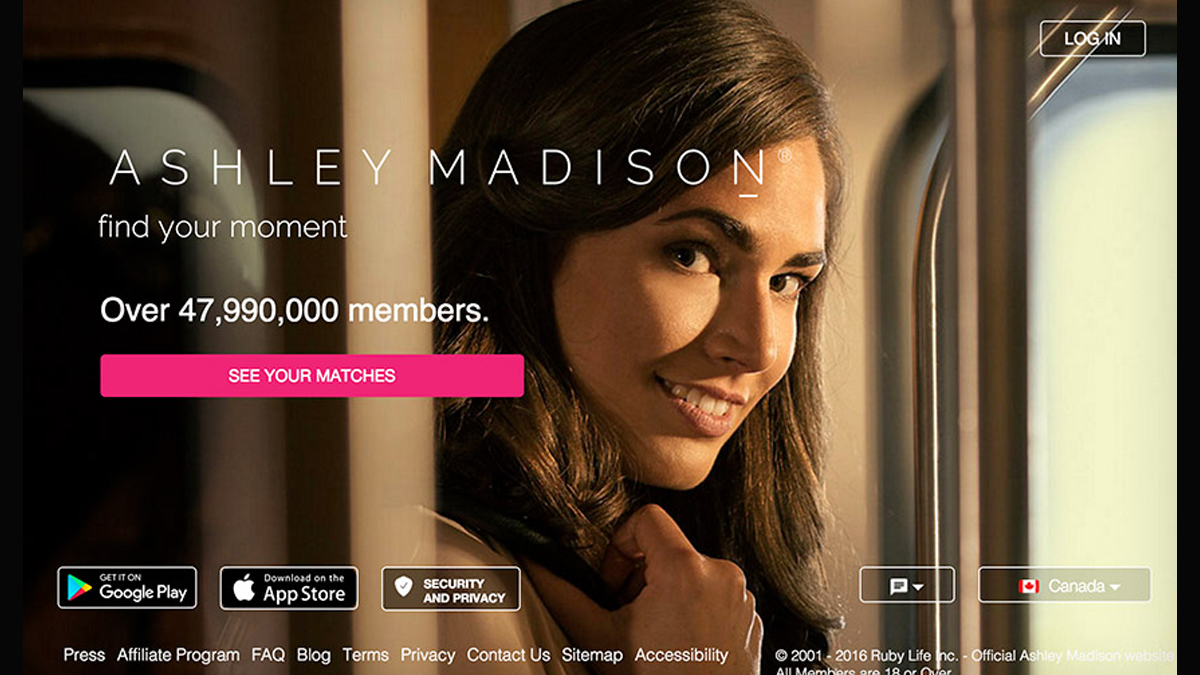
INDIA: Ashley Madison is shedding the “married-dating” label that defined it for two decades, repositioning itself as a platform for discreet dating in what it calls the post-social media age.
The rebrand, unveiled in India on 27 February, 2026, marks a structural shift in business model and identity. Once synonymous with married dating, the company now describes itself as the “premier destination for discreet dating” under a new tagline: Where Desire Meets Discretion.
The pivot is data-driven. Internal figures show that 57 per cent of global sign-ups between 1 January and 31 December, 2025 identified as single: a notable departure from the platform’s married core. The company argues that its community has already evolved beyond its original positioning.

“In an age where our lives have been constantly put on public display, privacy has become the new luxury,” said Ashley Madison chief strategy officer Paul Keable. He framed the platform’s offering as “ethical discretion” for singles, separated, divorced and non-monogamous users seeking private connections.
The shift also taps into wider digital fatigue. A global survey conducted by YouGov for Ashley Madison, covering 13,071 adults across Australia, Brazil, Canada, Germany, India, Italy, Mexico, Spain, Switzerland, the UK and the US, found mounting discomfort with hyper-public online lives.
Among dating app users, 30 per cent cited constant swiping and messaging as a source of fatigue, while 24 per cent pointed to pressure to curate public-facing profiles and early personal disclosure. Some 27 per cent said fears of screenshots or information being shared contributed to exhaustion; an equal share cited unwanted attention.
The retreat from oversharing appears broader. According to the survey, 46 per cent of adults actively try to keep most aspects of their life private online. Only 8 per cent feel comfortable sharing most aspects publicly, while 35 per cent say they are becoming more selective about what they disclose.
Ashley Madison is betting that this cultural recalibration towards controlled visibility can be monetised. By doubling down on privacy infrastructure and reframing itself around discretion rather than infidelity, the company is attempting to convert reputational baggage into a premium proposition.








