Applications
Pyramid Saimira in expansion mode, plans Hindi foray

MUMBAI: The Chennai-based digital theatre chain company Pyramid Saimira Theatre Limited (PSTL) has unveiled its expansion plans.
To start with, the company is planning to enter the Hindi speaking markets by the third quarter of 2006. Reportedly, the investment for the expansion is pegged at Rs 3.5 billion.
PSTL, which is operating about 100 theatres, will increase the tally to 400 by the end of FY07 fiscal end through its Networked Mega Digital Theatre Chain project, according to an official release.
“Pyramid Saimira is currently operating a theatre chain of more than 100 theatres, which we plan to increase to 400 by the financial year end 2007. From the third quarter of 2006, we plan to make a foray into Hindi speaking markets and add one screen a day also in North India. By the turn of this decade, the company plans to manage and operate on its own about 2000 screens and in addition have around 4000 screens as franchisee screens across India,” says PSTL MD Saminathan.
The company has projected a top line growth of Rs 8 billion (USD 178 million) by 2010, which represents 6 per cent of the industry, adds the release.
Pyramid has technical support tie-ups with Tata Net for communication technology, Prasad Labs for conversion of films into digital, Delta Electronics as well as Arasor Technology for projectors, and Real Image for software solution providers.
Saminathan further adds that Pyramid is setting up an integrated Network Operating Center (NOC), which will convert films into Digital, transmit these films using satellite medium to various theatres across the country in a secured encryption mode.
Using Digital Rights Management, the company will exhibit the films and other contents in digital mode without physical film prints. This will bring about a saving of Rs 60,000 to Rs 70,000 per movie per theatre and approximately save Rs 2 million per theatre per annum.
PSTL chairman V Natarajan says, “Digital Cinema is not about replacing an ordinary projector with a digital projector. Through a change in technology we bring a major change in relationship and structure of the exhibition industry as a whole. Just like the hotel industry, exhibition industry will see the emergence of separation of ownership and management especially on a professional note.”
By converting existing theatres into digital, PSTL expects to function as the delivery medium for entertainment and educational content, according to the release.

Applications
With 57 per cent single new users, Ashley Madison rebrands as discreet dating platform
Platform says majority of new members now identify as single
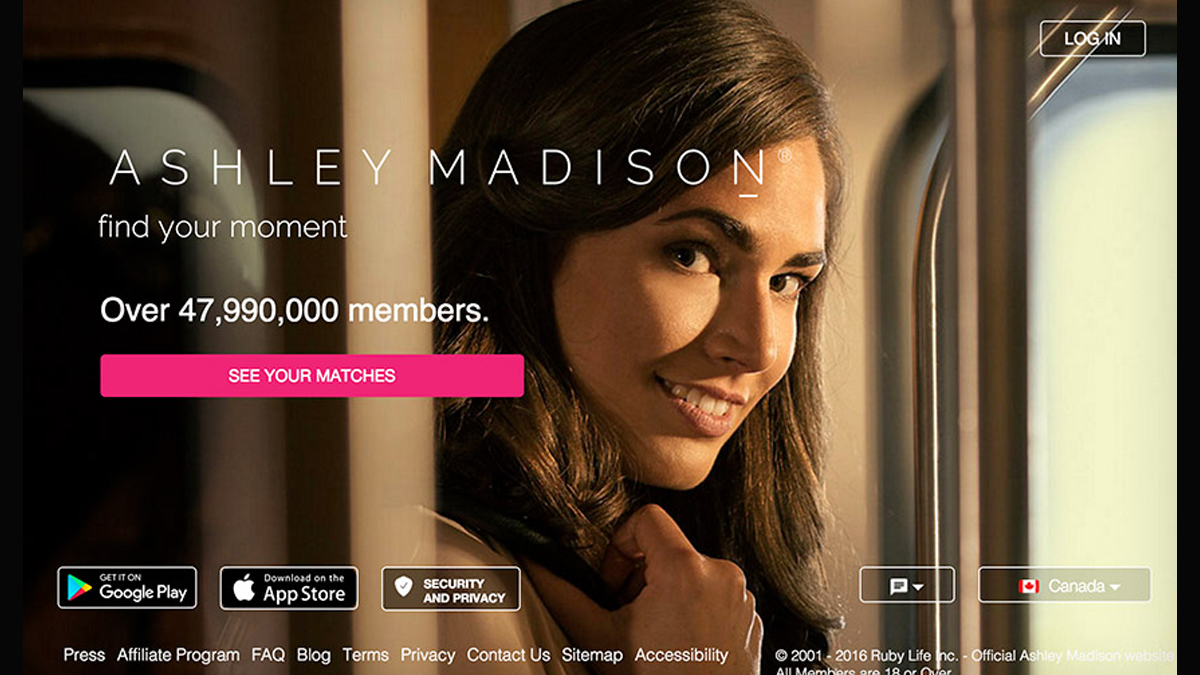
INDIA: Ashley Madison is shedding the “married-dating” label that defined it for two decades, repositioning itself as a platform for discreet dating in what it calls the post-social media age.
The rebrand, unveiled in India on 27 February, 2026, marks a structural shift in business model and identity. Once synonymous with married dating, the company now describes itself as the “premier destination for discreet dating” under a new tagline: Where Desire Meets Discretion.
The pivot is data-driven. Internal figures show that 57 per cent of global sign-ups between 1 January and 31 December, 2025 identified as single: a notable departure from the platform’s married core. The company argues that its community has already evolved beyond its original positioning.

“In an age where our lives have been constantly put on public display, privacy has become the new luxury,” said Ashley Madison chief strategy officer Paul Keable. He framed the platform’s offering as “ethical discretion” for singles, separated, divorced and non-monogamous users seeking private connections.
The shift also taps into wider digital fatigue. A global survey conducted by YouGov for Ashley Madison, covering 13,071 adults across Australia, Brazil, Canada, Germany, India, Italy, Mexico, Spain, Switzerland, the UK and the US, found mounting discomfort with hyper-public online lives.
Among dating app users, 30 per cent cited constant swiping and messaging as a source of fatigue, while 24 per cent pointed to pressure to curate public-facing profiles and early personal disclosure. Some 27 per cent said fears of screenshots or information being shared contributed to exhaustion; an equal share cited unwanted attention.
The retreat from oversharing appears broader. According to the survey, 46 per cent of adults actively try to keep most aspects of their life private online. Only 8 per cent feel comfortable sharing most aspects publicly, while 35 per cent say they are becoming more selective about what they disclose.
Ashley Madison is betting that this cultural recalibration towards controlled visibility can be monetised. By doubling down on privacy infrastructure and reframing itself around discretion rather than infidelity, the company is attempting to convert reputational baggage into a premium proposition.






